DadCooksDinner

  • Home
  • Rotisserie
  • Recipes
  • Tools
  • Books
  • Merch
menu icon
go to homepage
  • Recipes
  • Books
  • Tools
  • Merch
  • About
subscribe
search icon
Homepage link
  • Recipes
  • Books
  • Tools
  • Merch
  • About
×
Home » Recipes

Rotisserie Turkey Breast, Dry Brined with Italian Spices

November 26, 2024 by Mike Vrobel Leave a Comment

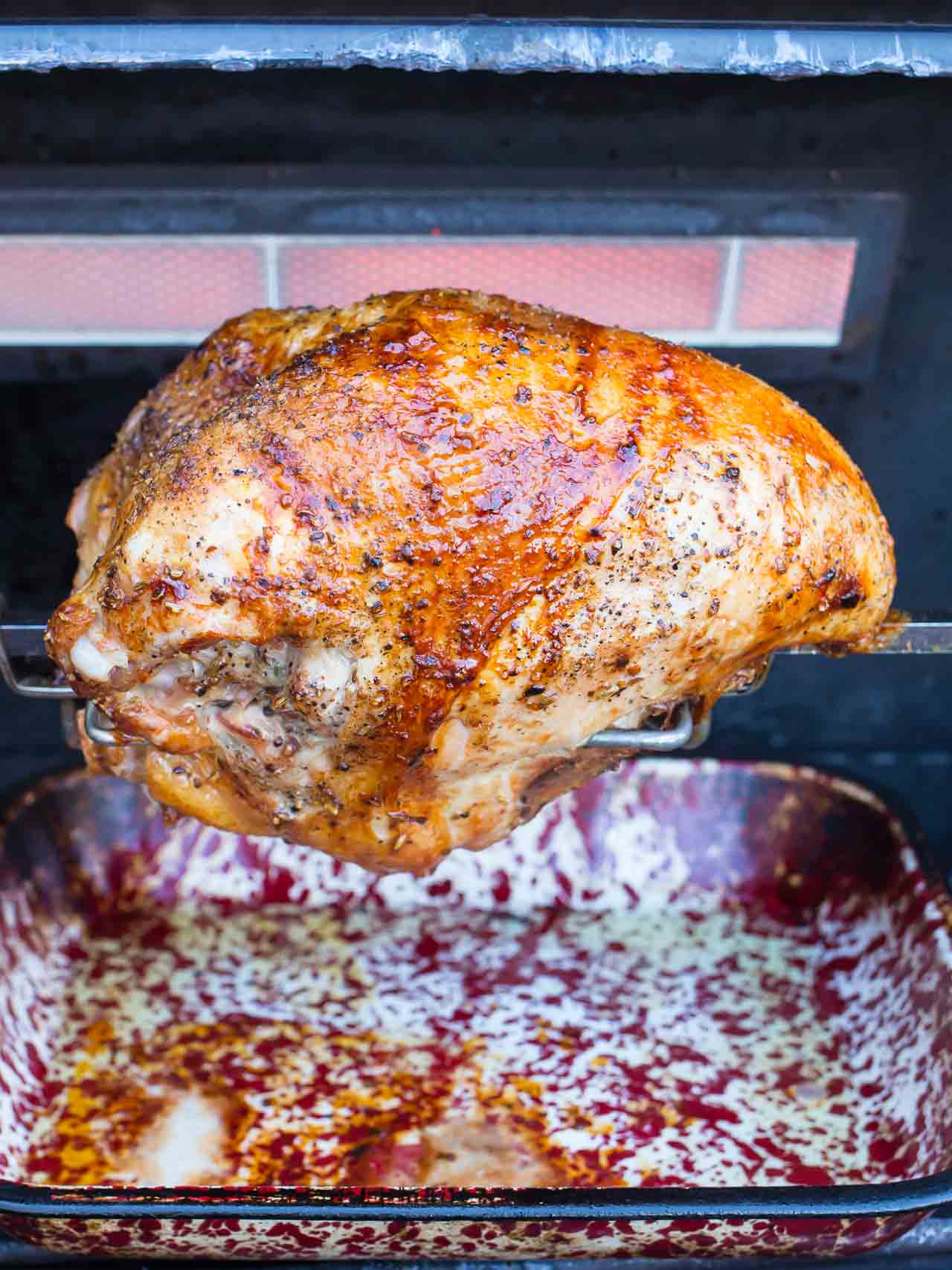
Rotisserie Turkey Breast browning on a grill

Rotisserie Turkey Breast, dry brined with Italian spices. This is a great way to grill a turkey breast on your rotisserie. The dry brine penetrates deep into the meat, seasoning it all the way through, and the Italian spices are a great spice rub for outside of the turkey. If you're looking for a browned, crisp, and spicy turkey breast, and your grill has a rotisserie, give this recipe a try!
Rotisserie Turkey Breast browning on a grill
[feast_advanced_jump_to]

A Turkey breast is perfect for a smaller Thanksgiving, or as a backup bird if you need some extra white meat.
(My mom always cooks an extra turkey breast on Thanksgiving. Actually, my mom cooks multiple whole turkeys AND an extra turkey breast. If my whole family shows up, we can get 30+ people to the table, depending on who brings friends. Mom never wants someone to go away hungry, or without leftovers, so she always errs on the side of more turkey.)
Turkey breast is a very neutral flavored protein. (That's a polite way of saying it tastes boring. Can you tell I'm a dark meat fan?) To perk up the flavor, I rub it with an Italian inspired blend of coarsely ground spices. That blend includes a big dose of red pepper flakes and black pepper, adding a spicy kick to contrast with the neutral meat.
Turkey breast is a very lean protein, almost pure muscle, with no interior fat or connective tissue. (Which means it will be as dry as cardboard if it is overcooked.) I cook the breast to 150°F, plus four minutes, to keep it as juicy as possible while still cooking it enough for it to be safe to eat.
For more details on 150°F turkey breast, see my post: Turkey Temperature, or the 150 question.
Of course, I cook it on the rotisserie. The even heat of the rotisserie crisps up the skin - the best part of the breast, in my opinion - and bastes the bird in its own juices while it cooks. And look - no trussing!
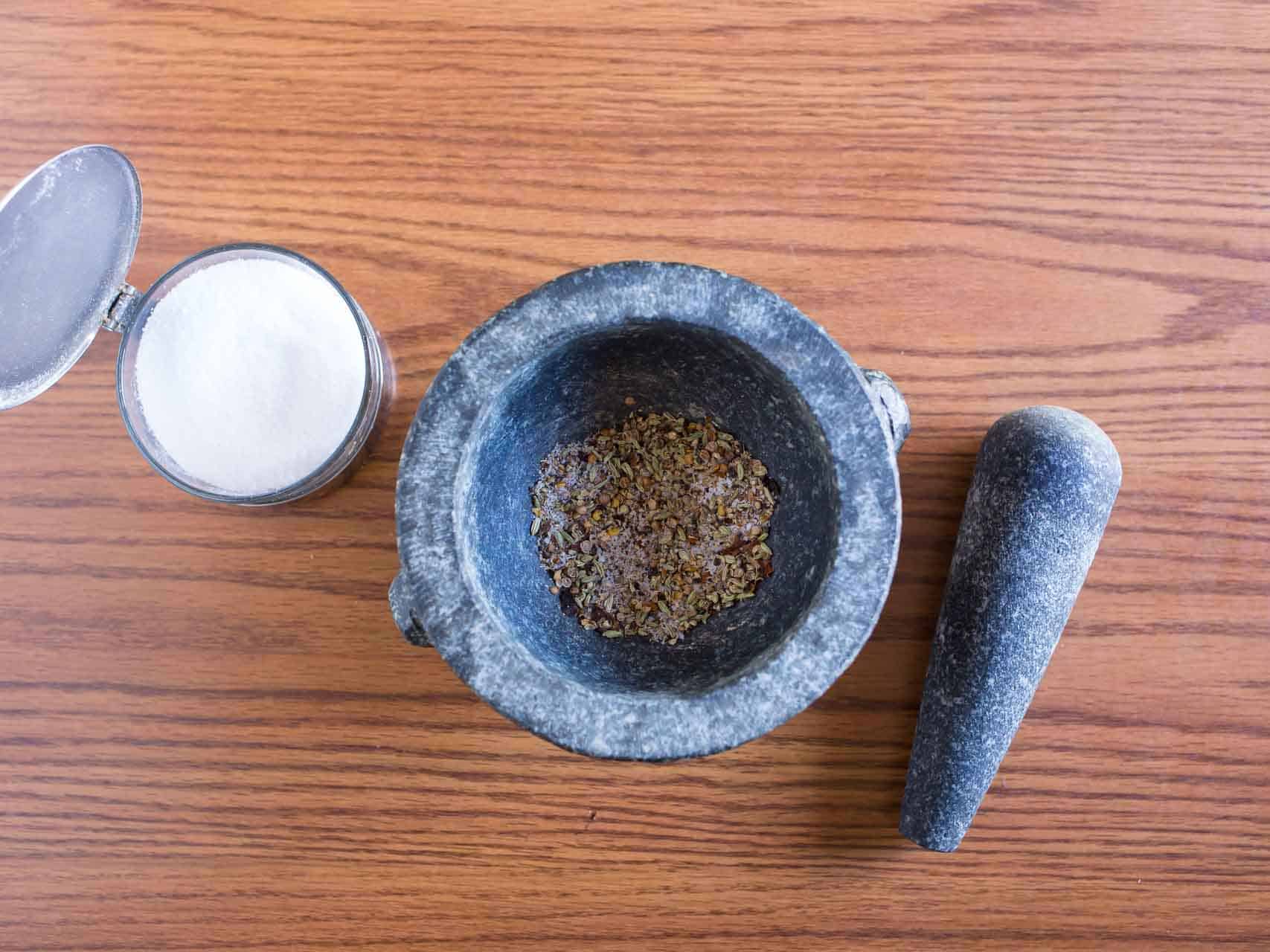
Italian dry brine spices in a mortar (with pestle)

Ingredients

  • 1 (8 pound) turkey breast
  • 1 teaspoon black peppercorns
  • 1 teaspoon dried fennel seed
  • 1 teaspoon coriander seed
  • ½ teaspoon red pepper flakes
  • 2 teaspoons kosher salt

How to Rotisserie a Turkey Breast with an Italian Spice Dry Brine
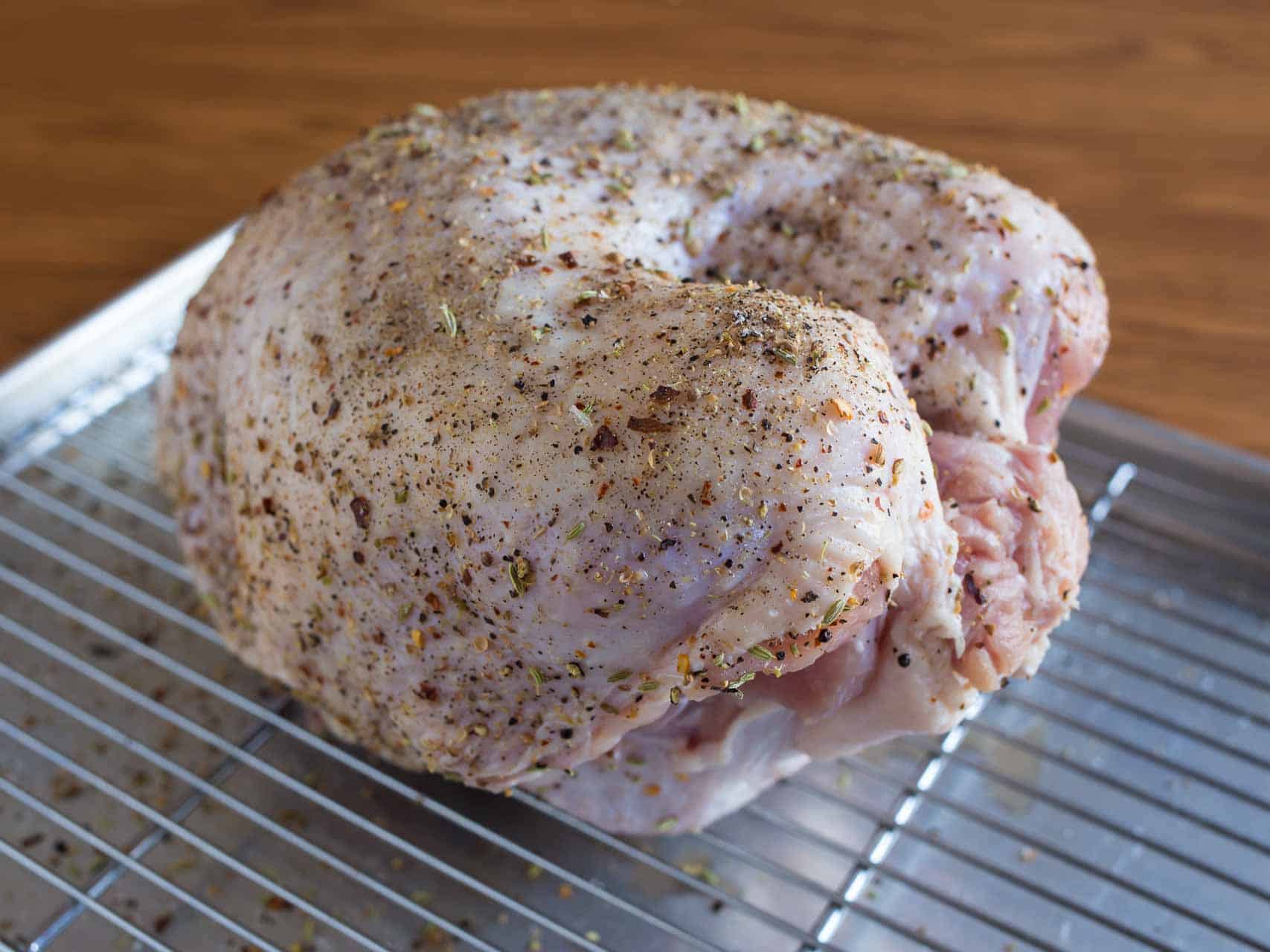
Turkey Breast rubbed with the Italian Spice Brine

1. Dry brine the turkey breast

Coarsely grind the peppercorns, fennel, coriander and red pepper flakes. (I do this in a mortar and pestle, or an electric coffee mill that I dedicate to spice grinding.) Stir in the kosher salt. Gently work the skin loose from the turkey breast, then rub 1 teaspoon of the spices directly on the meat. Arrange the skin so it covers the breast, then sprinkle the rest of the spices all over the turkey breast, inside and out. Put the turkey breast in a baking dish and let it rest in the refrigerator overnight (up to 24 hours).

2. Set the grill up for indirect medium heat

Set your grill up for rotisserie cooking at medium heat, roughly 400°F. For my Weber Summit, I remove the cooking grates to get more clearance. Then I set the outer burners to medium (burners 1 and 6), and turn on the infrared burner and set it to medium. Finally, I put my drip pan in the middle of the grill, over the unlit burners. (See My Rotisserie Basic Technique Post for more rotisserie setup details.)
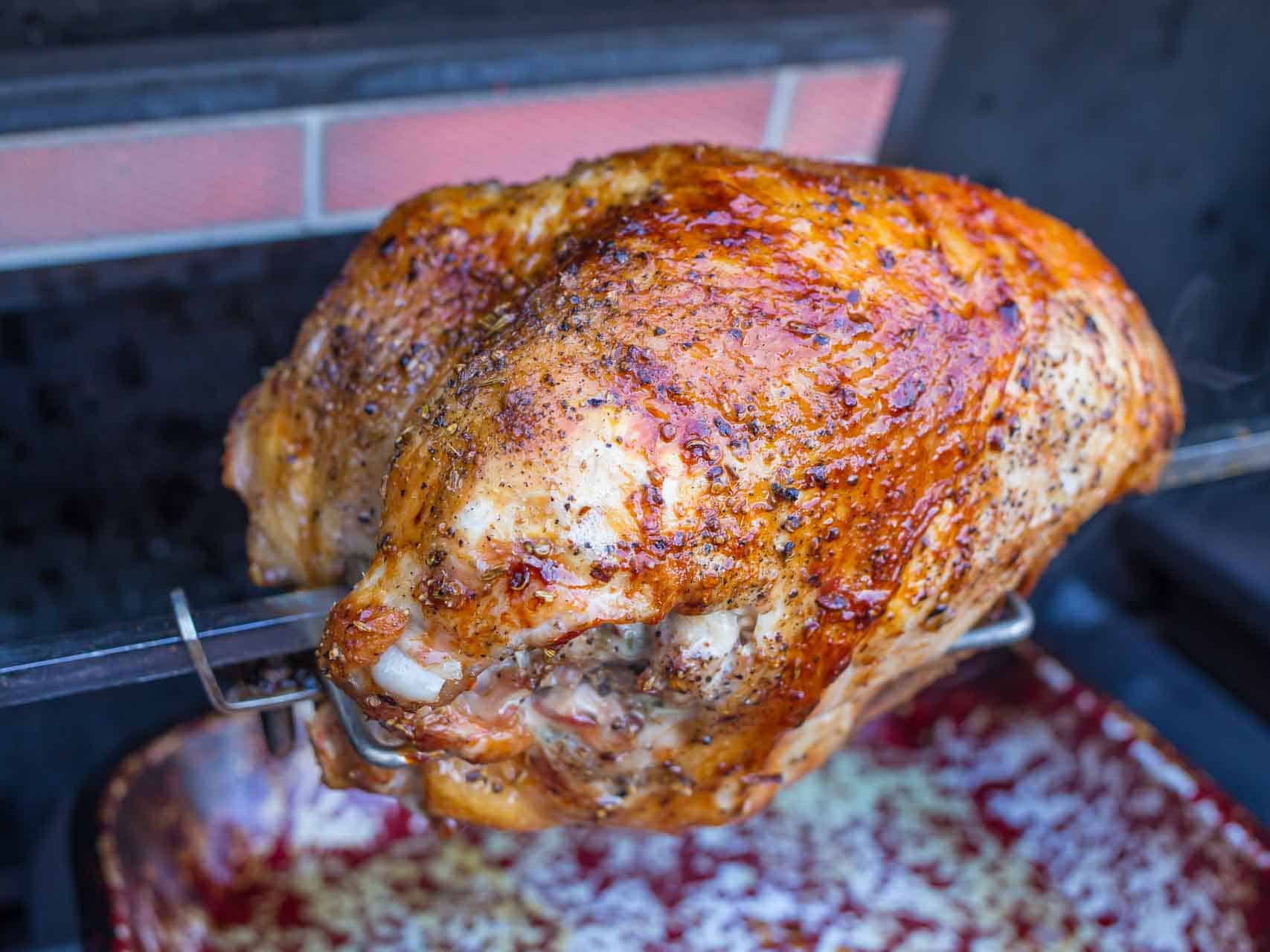
Rotisserie Turkey Breast on the grill

3. Spit the turkey, and maybe truss it.

If there is loose skin on the turkey (around the wings and the neck), truss it once, around the wing sockets, and tuck any loose skin under the butcher's twine. Skewer the turkey on your spit, through the cavity of the breast, pushing the prongs into the middle of the meat to hold it steady.

4. Rotisserie grill the turkey

Put the spit on the grill, start the rotisserie motor spinning, and cook with the lid closed. Cook until the turkey reaches a temperature of 150°F in the thickest part of the breast, and then add four minutes of cooking time. This should take about 1 hour and 45 minutes for an 8 pound breast. (Go by internal temperature, though, and start checking the temp after an hour of cooking.)
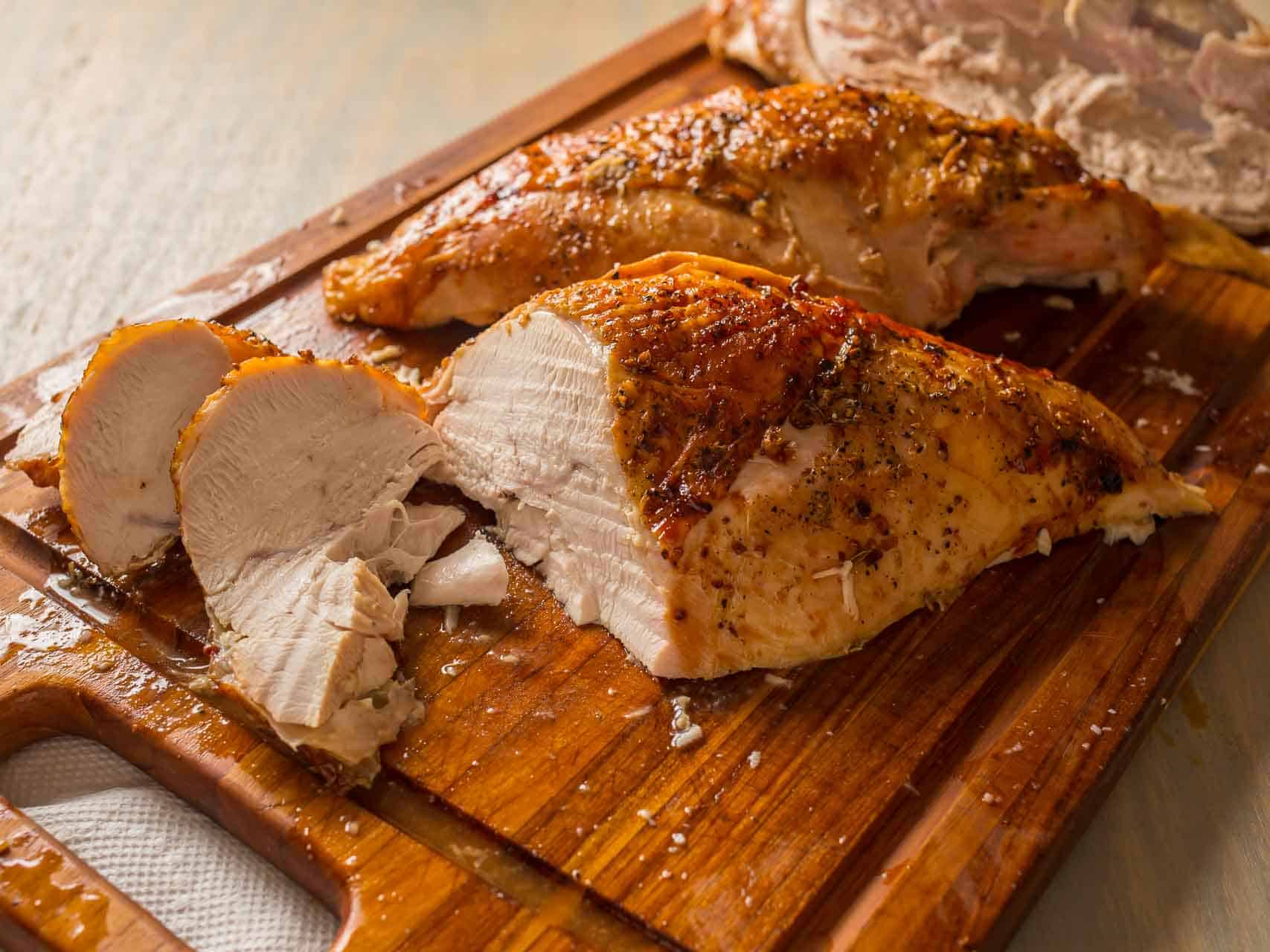
Slicing rotisserie turkey breast

5. Serve

Remove the turkey from the spit, and let rest for 15 minutes before carving. I cut the breast halves away from the carcass, then slice them crosswise into ¼" thick slices.

Equipment

  • Grill with Rotisserie Attachment (My massive Weber Summit is more than big enough.)
  • 9" by 13" grill safe drip pan (Disposable aluminum foil or enameled cast iron)
  • Instant Read Thermometer

Frequently Asked Questions

Turkey Breast Sizes - what if I get a larger or smaller breast?

I find turkey breasts as small as 5 pounds and as large as 8 pounds at my local grocery store. Pick whichever size fits your needs; a 5 pound breast will take roughly 1 hour 15 minutes; an 8 pounder will take closer to 2 hours. But, please don't go by time, go by internal temperature - 150°F plus four minutes of extra cooking time.

How many servings are in a turkey breast?

I assume 1 serving per pound of turkey; so, a 5 pound turkey breast is 5 servings, and an 8 pound turkey breast is 8 servings.

What to do with leftover turkey breast

Turkey sandwiches are the obvious choice; my favorite is a turkey salad sandwich - dice up the leftover turkey, sprinkle with fresh ground black pepper, add some diced celery and green onion, and toss with just enough mayonnaise to coat the turkey. (Bonus points if you use Japanese Kewpie Mayonnaise.)
Rotisserie Grilling by Mike Vrobel

I wrote a cookbook!

Rotisserie Grilling Cookbook

New to your rotisserie and need help with the basics? Love your rotisserie and looking for new ideas? Grab a copy of Rotisserie Grilling! You'll get 50 of my favorite rotisserie recipes and expert tips on how to set up and use your rotisserie.

Click here to buy →

What do you think?

Questions? Other ideas? Leave them in the comments section below.

Related Posts

Rotisserie Turkey Breast, Dry Brined
Rotisserie Turkey Breast with Spice Rub
Rotisserie Turkey, Dry Brined with Orange and Spices
My other Rotisserie Grilling Recipes

Enjoyed this post? Want to help out DadCooksDinner? Subscribe to DadCooksDinner via email and share this post with your friends. Want to contribute directly? Donate to my Tip Jar, or buy something from Amazon.com through the links on this site. Thank you.
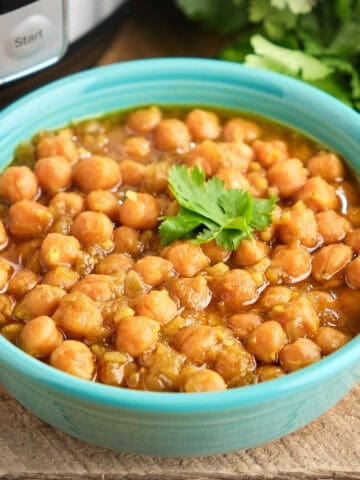
Instant Pot Chickpea Curry

November 19, 2024 by Mike Vrobel 1 Comment

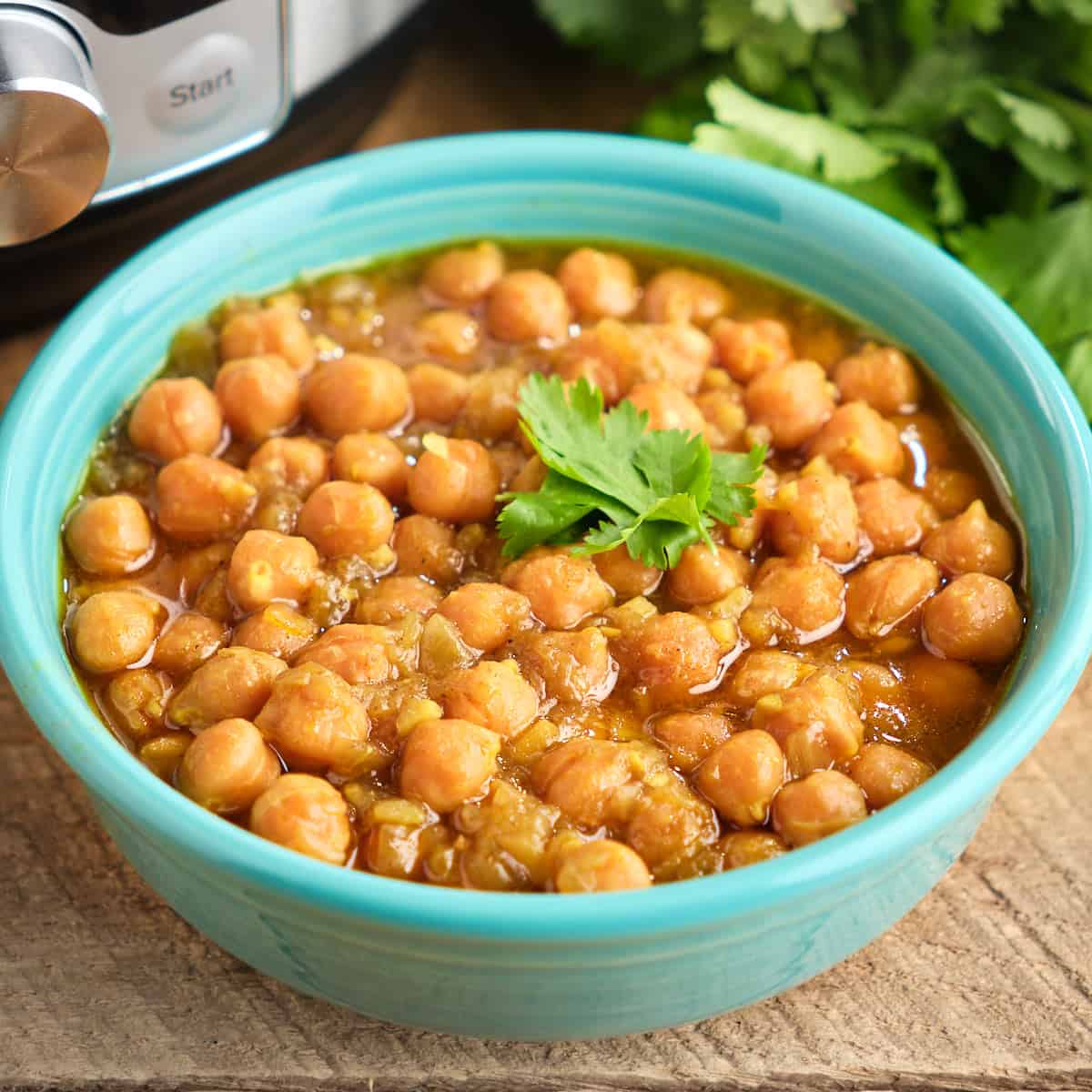
A bowl of Chickpea Curry with cilantro and an Instant Pot in the background

Instant Pot Chickpea Curry (from dry beans). Pressure cooked chickpeas and curry powder are the backbone of this quick, easy curry. Try making curry by pressure cooking your own dry beans - you'll be amazed how good they are!

A bowl of Chickpea Curry with cilantro and an Instant Pot in the background
[feast_advanced_jump_to]

Chanan Masala, an Indian chickpea curry, is a staple of northern Indian home cooking.

I'm not a vegetarian, but, if I had to be one, I would cook a lot more Indian food. As one of the largest vegetarian cultures in the world, they have a variety of ways to eat without meat. (And of course their spices are divine.)

Ingredients for Instant Pot Chickpea Curry

Ingredients

  • 1 cup (½ pound) dry chickpeas, sorted and rinsed
  • 2 tablespoons butter
  • 1 medium onion, diced
  • 2 cloves garlic, minced
  • 1-inch piece of ginger, peeled and grated (optional)
  • 1 tablespoon curry powder
  • 1 teaspoon garam masala
  • ½ teaspoon cayenne pepper (optional, for heat)
  • 3 cups of water (or homemade vegetable broth)
  • ½ teaspoon fine sea salt
  • Minced cilantro (optional, garnish)

How to Make Instant Pot Chickpea Curry

Sorting the chickpeas

Sort and rinse the chickpeas

Sort the chickpeas by spreading them out on a rimmed baking sheet, looking through them, and discarding any stones, dirt, or broken beans. Rinse the chickpeas, then set them aside.

Sautéing the onions, garlic, ginger, and curry powder

Sauté the aromatics and spices

Put the butter in an Instant Pot set to sauté mode - high (Medium-high heat in a stovetop PC). Once the butter melts, add the onion and sauté until it softens, about 5 minutes. Make a hole in the center of the onions and add the garlic, ginger, curry powder, garam masala, and (optional) cayenne pepper. Stir the spices into the onions and cook for 1 minute, stirring often, to toast the spices.

Everything in the pot

Everything in the pot

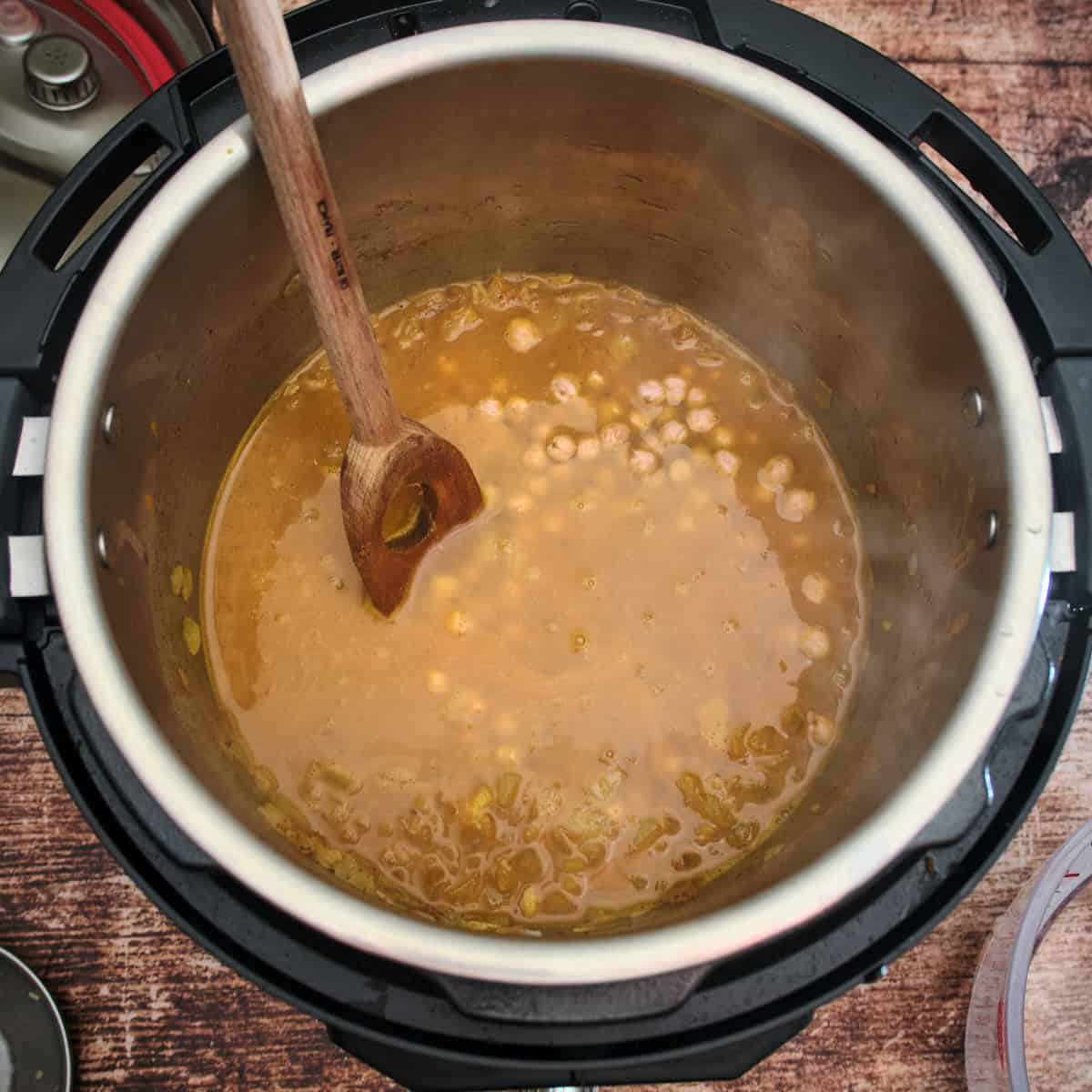
Pour in the water and scrape the bottom of the pot with a flat-edged wooden spoon to make sure nothing is sticking. Stir in the sorted and rinsed chickpeas and ½ teaspoon of fine sea salt.

Pressure Cook for 45 minutes with a Natural Release

Lock the lid. Pressure cook on high pressure for 45 minutes in an Instant Pot or other electric pressure cooker (Manual, Pressure Cook, or Pressure Cook - Custom mode in an Instant Pot), or for 40 minutes in a stovetop pressure cooker. Let the pressure come down naturally, about 20 more minutes. (If you're in a hurry, you can quick release any remaining pressure after 15 minutes).

Serve

Remove the lid from the pressure cooker, tilting it away from you to avoid the hot steam. Ladle the chickpea curry over bowls of rice, sprinkle with some minced cilantro (optional), serve, and enjoy!

Substitutions

Different Names for Chickpeas

Chickpeas are cooked across the world and can be found under a bunch of different names. Gram, Egyptian pea, garbanzo beans (Spanish), ceci (Italian), and chana (Hindi) are all different names for chickpeas. (Garbanzo is especially popular in my area.)

More authentic spices

I use curry powder as a quick shortcut; if you want more authentic spices, replace the curry powder with 1 teaspoon of whole cumin seed, 1 teaspoon of whole coriander seed, and 1 teaspoon of turmeric.

More heat? Less Heat? Adjust the cayenne

The ½ teaspoon of cayenne in the recipe gives you an "American hot" spice level. If you don't want any heat in this recipe, skip the cayenne. If you want "Desi mild," go with ¾ teaspoon of cayenne; you can go up from there if you want Desi medium or Desi hot.

Equipment

A 6-quart pressure cooker

📏Scaling

This recipe scales down easily - cut everything in half if you don't need as much curry, or have a 3-quart pressure cooker. You can double this recipe in a 6-quart pressure cooker, but beyond double you will need an 8-quart pressure cooker.

Soaking chickpeas?

I get the "to soak, or not to soak?" question all the the time. I don't soak my chickpeas in this recipe. They don't need an overnight soak, and cook to tenderness with 45 minutes at high pressure.

That said, if you need to cook the beans quickly - let's say it is a weeknight and you need them quickly - you can soak the beans to speed up the cooking time. Soaked beans cook much quicker, 20 minutes at high pressure. Sort and rinse the beans, then cover them with water by an inch and leave them to soak for at least 8 hours, preferably overnight.

Sorting Beans

Beans are an agricultural product, and stuff tends to creep in when they are processed. Beans should always be sorted and rinsed before being used to get rid of any twigs, stones, clumps of dirt, or broken beans.

To sort the beans, I pour them out on one side of a rimmed baking sheet (a half-sheet pan) to keep the beans from escaping. Then I slowly run my fingers through the pile of beans, pulling them towards me on the sheet. I watch the beans as they move, looking for anything that doesn't seem right. If I see something, I poke around in the beans until I find what caught my eye, and discard it. I repeat this a couple of times until I'm satisfied everything is out of the beans.

Then I dump the beans into a fine mesh strainer and rinse them under cold running water, to wash off any dirt or dust still on the beans.

Now, the beans are sorted, rinsed, and ready for soaking or cooking.

What to serve with Instant Pot Chickpea Curry

The traditional side dish with curry is basmati rice; I like to use my Instant Pot Brown Basmati Rice recipe with this curry.

💡Tips and Tricks

  • Floaters and tough beans: If your beans are still tough when the cooking time is over, especially any "floaters" at the top of the pot, give the beans a stir, lock the lid, and pressure cook for another five minutes. Older beans take longer to cook, and if the beans have been sitting in the shelf at your store for a while, they may need extra time.
  • Simmer to thicken: If you have the time, and want thicker bean liquid, simmer the beans for 20 minutes after pressure cooking. I set my Instant Pot to Sauté mode adjusted to low, set the timer to 20 minutes, and leave the lid off to let the broth evaporate.
  • Vegan version: To make this a vegan recipe, replace the butter with vegetable oil. (I'm using butter to substitute for ghee, Indian clarified butter. Indian vegetarians are traditionally Lacto-vegetarian, and use butter and milk in their cooking.)

Related Posts

Instant Pot Lentil Curry
Instant Pot Massaman Chicken Curry
Instant Pot Goat Curry
Instant Pot Japanese Curry
Instant Pot Tomato Dal
Instant Pot Indian Black Lentils and Kidney Beans (Dal Makhani)
My other Instant Pot and Pressure Cooker Recipes

Enjoyed this post? Want to help out DadCooksDinner? Subscribe to DadCooksDinner via email and share this post with your friends. Want to contribute directly? Donate to my Tip Jar, or buy something from Amazon.com through the links on this site. Thank you.

Instant Pot Short Rib Ragu

November 12, 2024 by Mike Vrobel 6 Comments

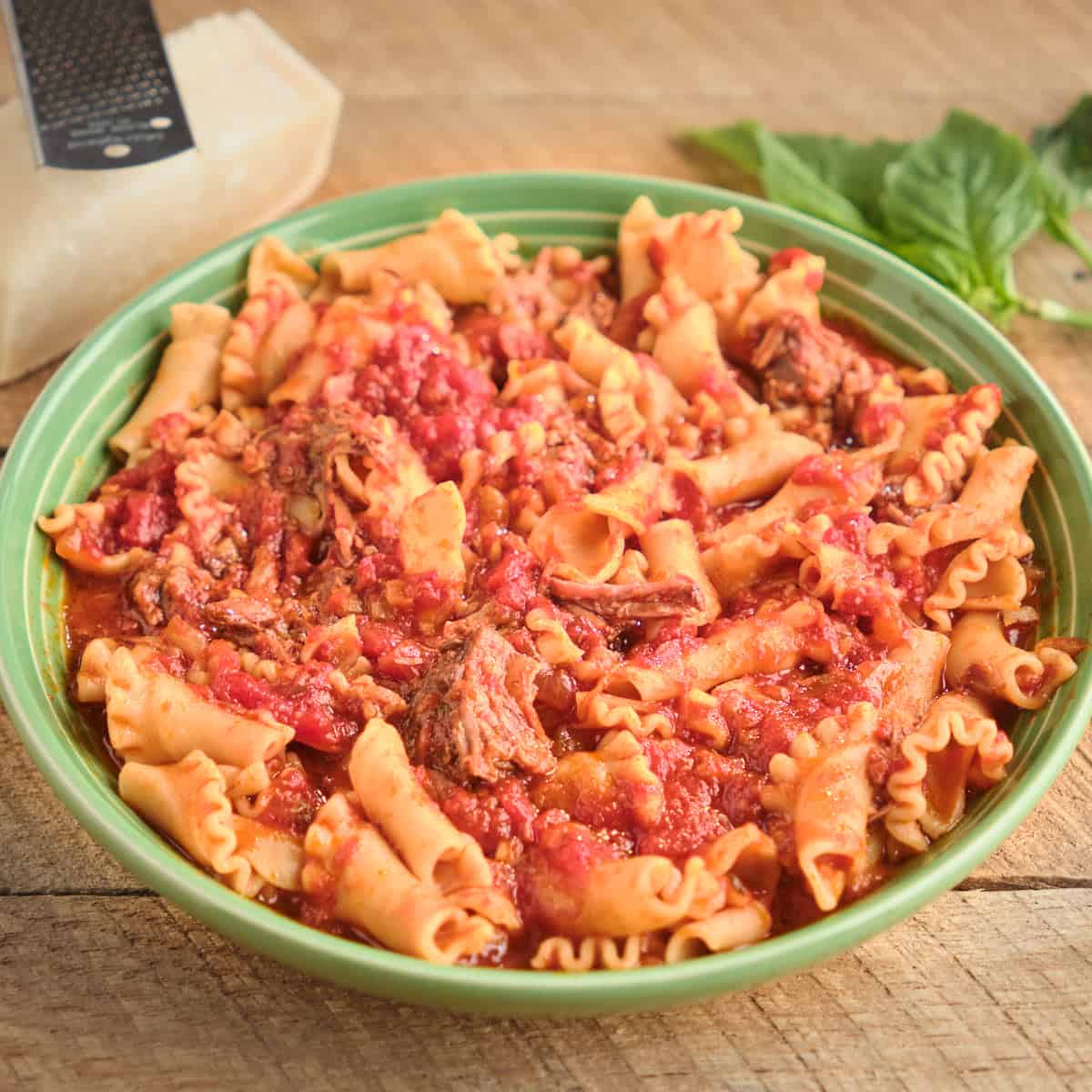
A bowl of short rib ragu and noodles, with parmesan and basil in the background.

Instant Pot Short Rib Ragu. Beef ragu sauce that tastes like it simmered all day, thanks to pressure cooking for 45 minutes.

A bowl of short rib ragu and noodles, with parmesan and basil in the background.
[feast_advanced_jump_to]

This recipe is the simple, one-meat version of Instant Pot Ragu Tucci, my take on an all-day simmered Italian sauce made rich with bone-in short ribs. Of course, I'm not simmering all day; I've got pressure to speed it up. Pressure cooking gives me the flavors and tender, shredded meat of an all-day simmer in a fraction of the time.

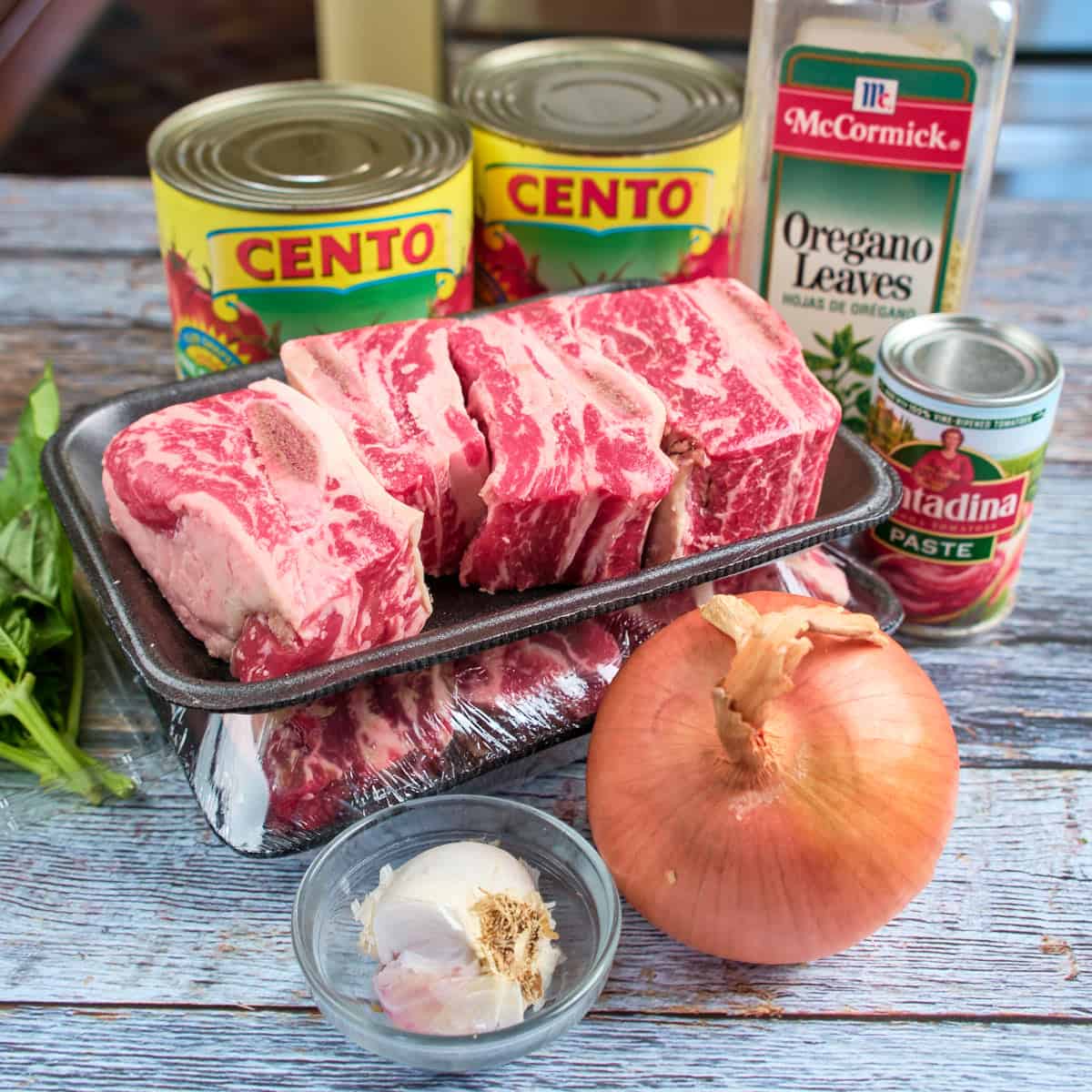
Ingredients for Instant Pot Short Rib Ragu

Ingredients

  • 2 tablespoons olive oil
  • 3 pounds beef short ribs, bone-in, cut into 2-inch lengths
  • 1 teaspoon fine sea salt
  • 1 large onion, chopped
  • 3 garlic cloves, sliced thin
  • ½ teaspoon fine sea salt
  • 3 ounces tomato paste (half a 6-ounce can, about ⅓ cup)
  • ½ cup red wine
  • 1 cup water (or chicken broth)
  • 2 (28- to 35-ounce) cans San Marzano whole peeled tomatoes (or plum tomatoes), crushed by hand or pureed, with juices
  • 1 teaspoon fine sea salt (If using Italian tomatoes - American canned tomatoes have extra sodium and don't need more)
  • 3 fresh basil leaves
  • 1 teaspoon dried oregano
  • Minced parsley for garnish (optional)
  • Grated parmesan for garnish (optional)

How to make Instant Pot Short Rib Ragu

Browning the short ribs on one side

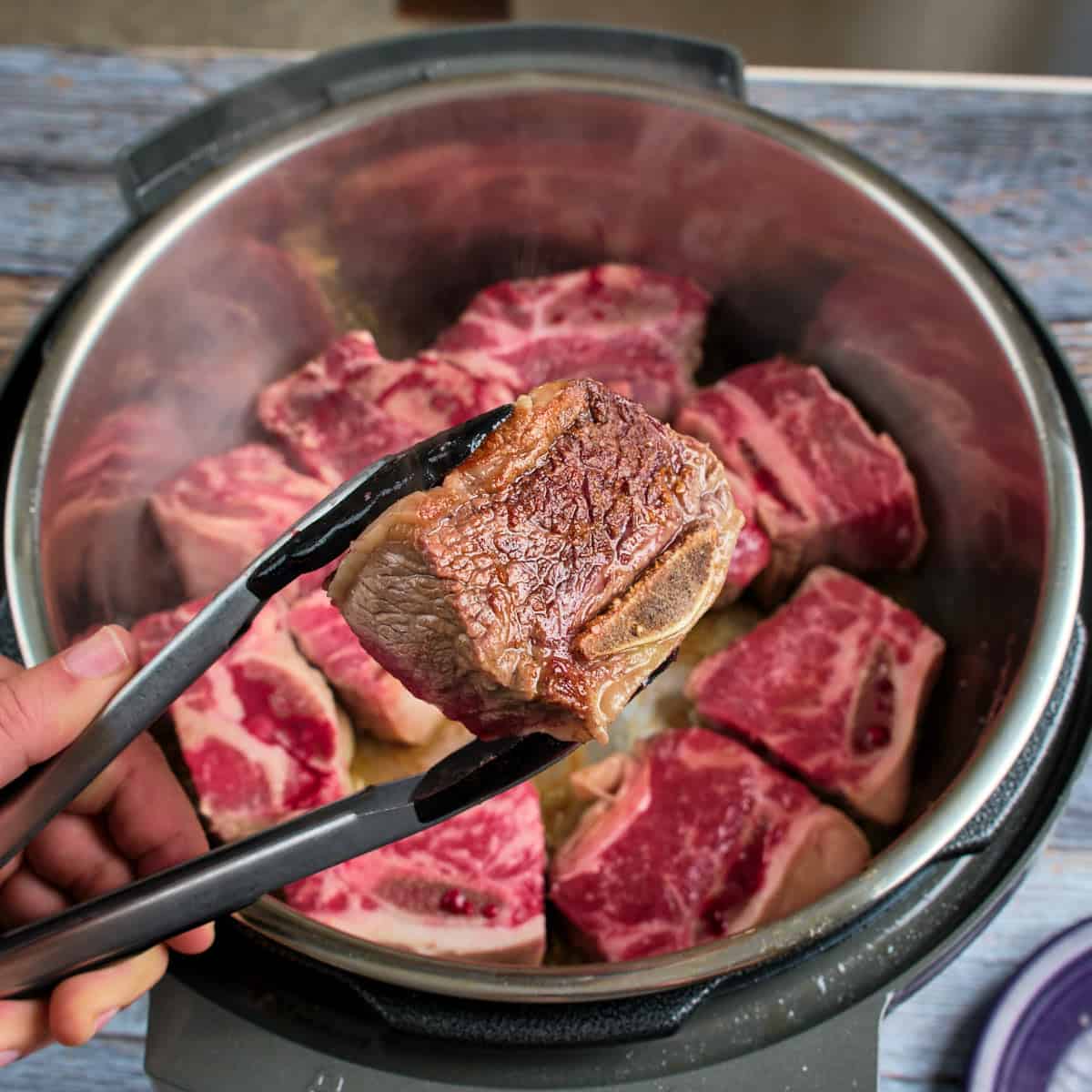
Sear the short ribs on one side

Sprinkle the short ribs with 1 teaspoon of salt. Heat the olive oil in an Instant Pot using Sauté mode, adjusted to high (medium-high heat for other pressure cookers) until the oil starts to shimmer, for about 3 minutes. Sear the meat in two batches. (Don't crowd the pot, or the meat will steam, not brown). Sear the first batch of beef ribs until browned, about 4 minutes. Move the browned ribs to a bowl, then add the remaining ribs to the pot, meaty side down. Sear the second batch of ribs until browned on the bottom, about 4 more minutes, and move them to the bowl with the other ribs.

Sauté the onions and garlic

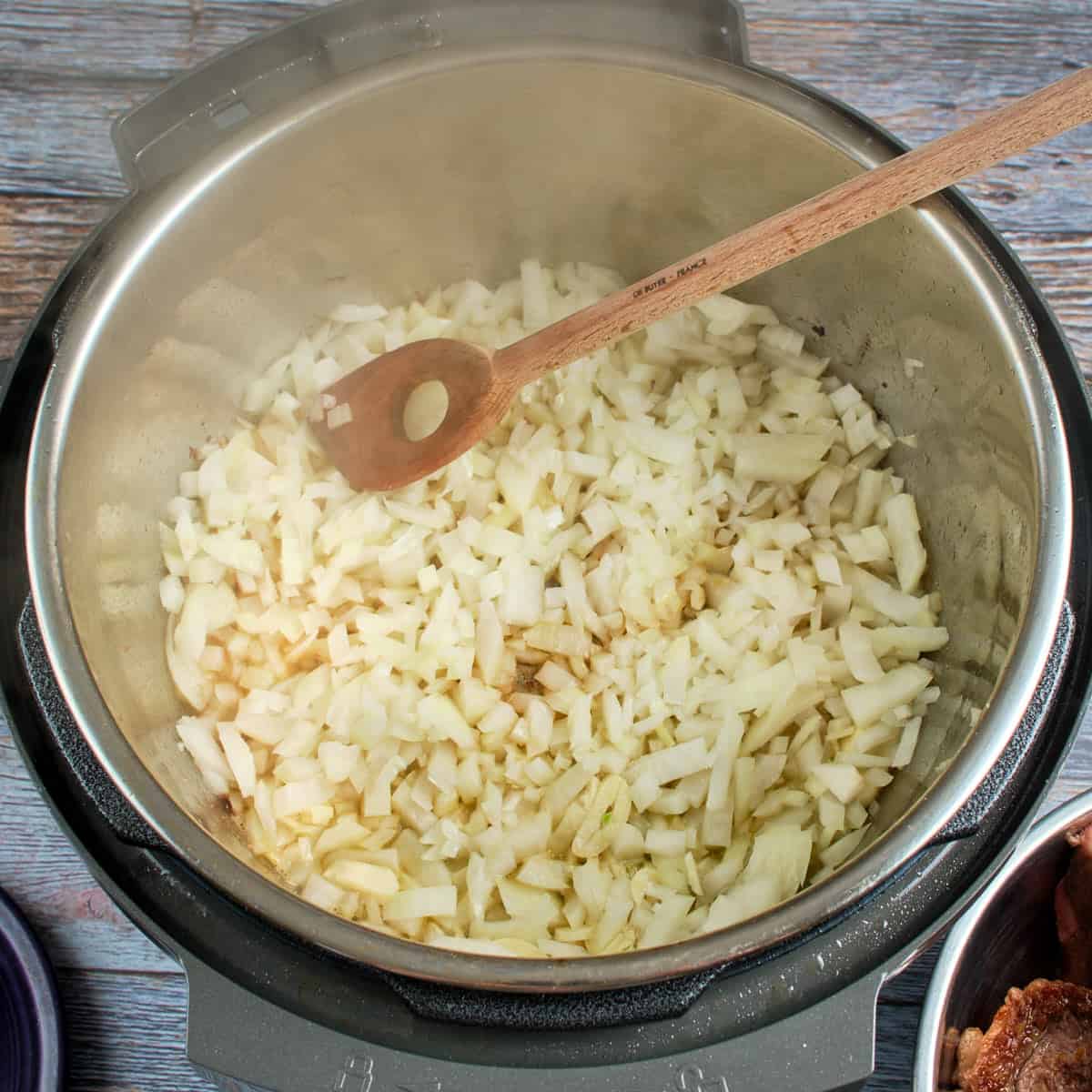
Sauté the aromatics

Add the onion and garlic to the pot and sprinkle with ½ teaspoon of fine sea salt. Sauté until the onion softens, about 5 minutes, occasionally scraping the bottom of the pot with a flat-edged wooden spoon to loosen any browned bits of meat or onion.

Cook the tomato paste

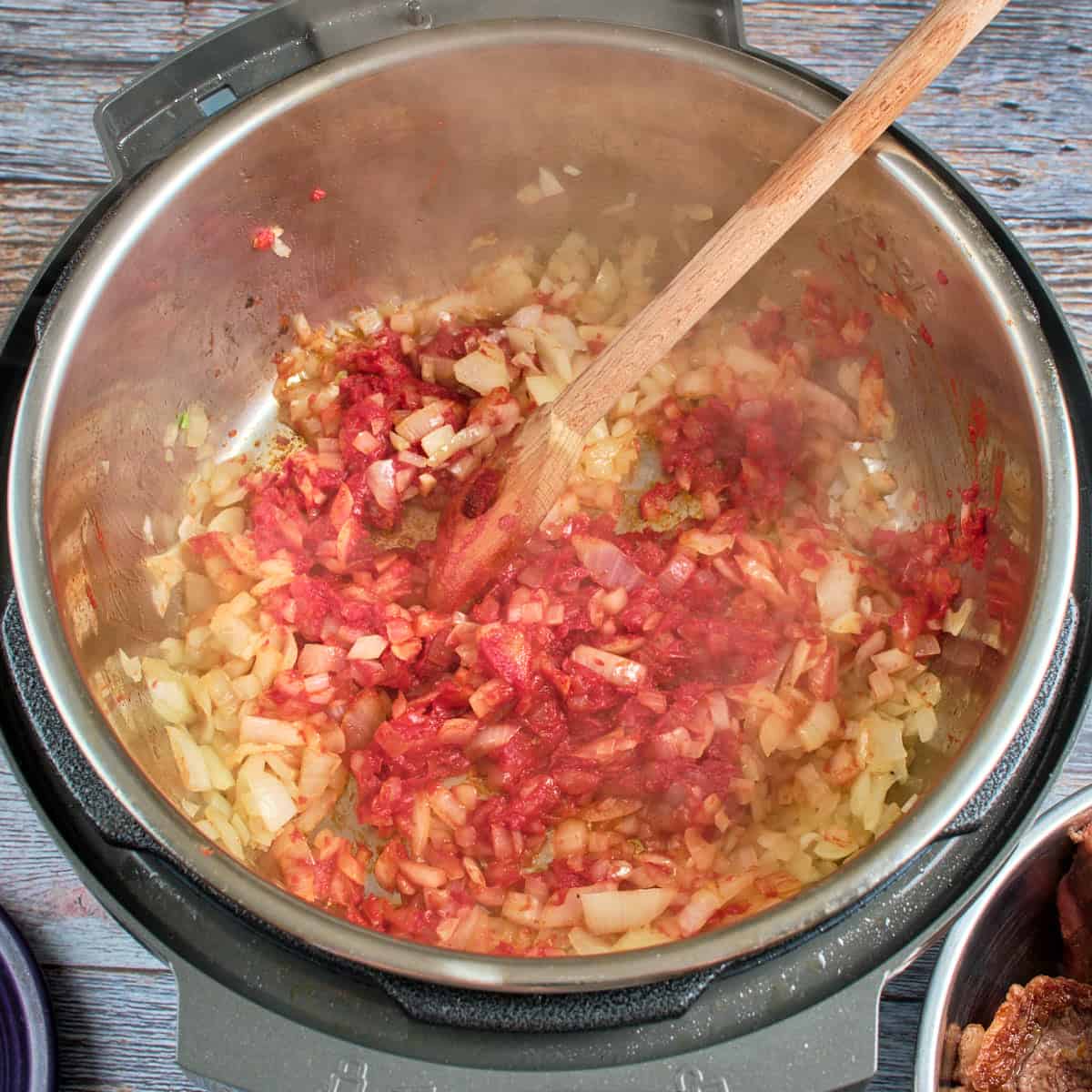
Cook the tomato paste and deglaze with wine

Stir the tomato paste into the onions and cook, stirring and scraping often, until the paste darkens, about 3 minutes. Pour in the red wine, bring to a simmer, and simmer for 1 minute.

Everything in the pot

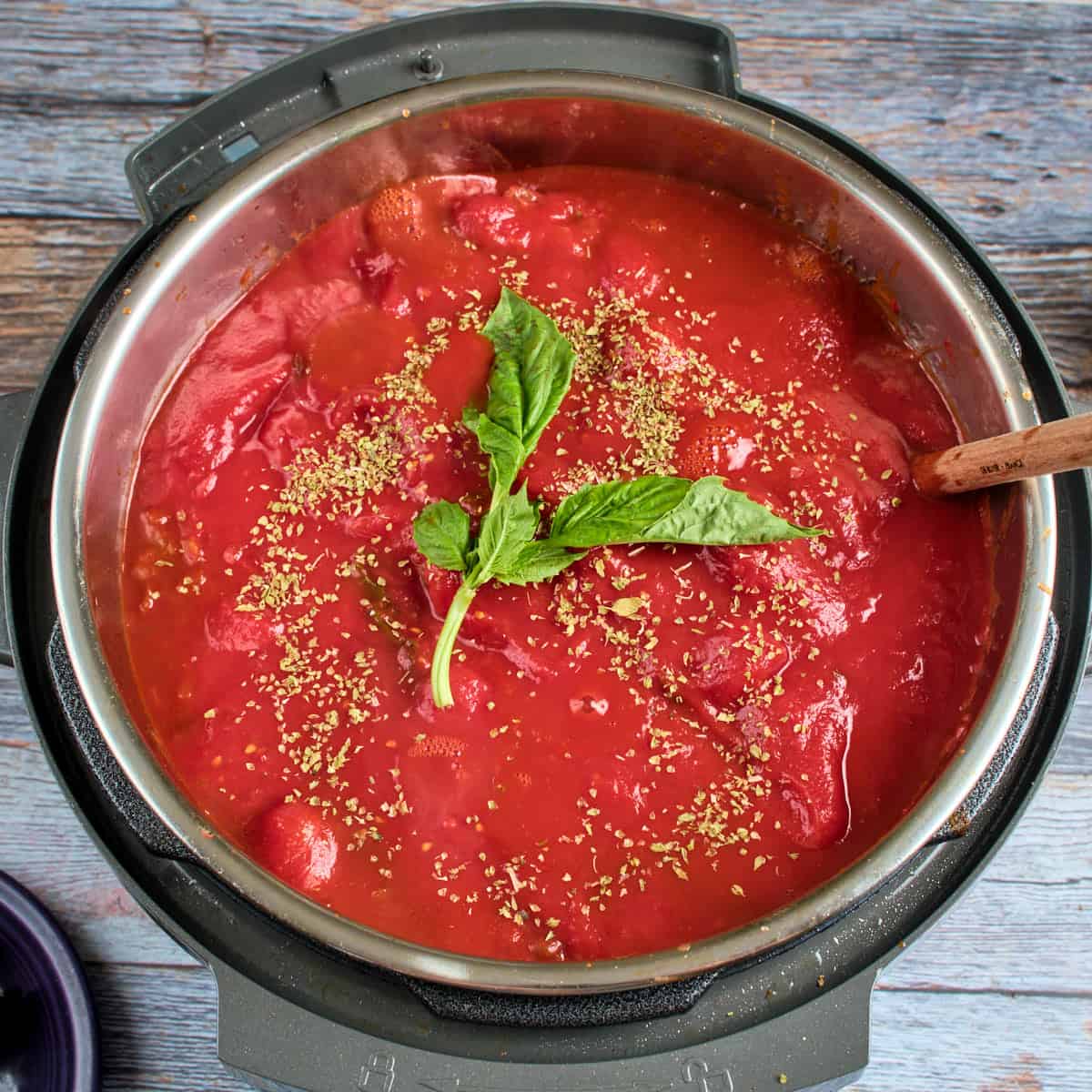
Everything in the pot

Stir in the cup of water, then scrape the bottom of the pot one last time with a flat-edged wooden spoon to ensure nothing sticks. Add the tomatoes, basil leaves, and dried oregano, then add the meat and any meat juices to the bowl.

Pressure cook for 45 minutes at high pressure

Pressure Cook for 45 minutes with a Natural Release

Pressure cook on high pressure for 45 minutes in an Instant Pot or electric pressure cooker ("Manual" or "Pressure Cook" mode in an Instant Pot) or for 40 minutes in a stovetop pressure cooker. Let the pressure come down naturally. (If you are in a hurry, let the pressure come down for at least 15 minutes, then quick release any remaining pressure.)

Shredded meat into the sauce and serve

Gently lift the ribs out of the pot with tongs and/or a slotted spoon and set them on a platter. Pull the short rib meat from the bones, discarding the bones and any large pieces of fat or gristle. Stir the shredded short ribs back into the pot. Use about 4 cups of sauce from the pot to sauce a pound of pasta - preferably a firm tube-shaped pasta that will hold the sauce, like Rigatoni, Ziti, or Penne. Put the pasta in a bowl, spoon the 4 cups of sauce over the pasta, and toss to coat all the pasta with sauce. (Freeze the rest of the sauce for another meal.) Enjoy!

Substitutions

Other canned tomatoes: I use whole peeled tomatoes, preferably plum tomatoes. Do not use tomato sauce or crushed tomatoes; they will sink to the bottom of the pot and burn in the long cooking time. You can get away with diced tomatoes if that's all you have, but diced tomatoes are treated to hold their shape, and the sauce will not come out smooth.

San Marzano tomatoes: The best tomatoes for this recipe are San Marzano tomatoes, grown in the volcanic soil around Mount Vesuvius in Italy. Next best are San Marzano "style" tomatoes, which are the same breed of tomato, but not grown in San Marzano. But any canned, whole, peeled tomatoes will work in this recipe..

  • Tomato paste: The tomato paste adds color and depth to the sauce, but you can skip it if you want. The sauce will be a little thinner but still good.
  • Wine substitution: I use wine in this recipe because alcohol helps release the flavor of tomatoes. However, not all of the alcohol evaporates during cooking, so if you are strict about not having alcohol, substitute extra water (or chicken broth) for the wine.
  • Short rib cuts: It doesn't matter if you get cross-cut short ribs or flanked cut short ribs; both work great in this recipe. I prefer bone-in ribs because the bones give up collagen into the sauce, giving it extra body. That said, you can use boneless short ribs if that's what you have.

Equipment

  • 6-quart pressure cooker
  • Flat-edged wooden spoon (for stirring and scraping the browned bits from the bottom of the pot)
  • Slotted spoon (for scooping out the short ribs)

Scaling

This recipe doubles easily in an 8-quart pressure cooker. Cut all the ingredients in half, and it will fit in a 3-quart pressure cooker. The cooking time does not change; it takes the same time to slow cook the ragu regardless of the amount of ingredients.

Storage

This sauce is great for storing-in fact, the recipe as written makes enough sauce for two meals (if each meal is 1 pound of pasta). I freeze the leftover sauce in a 1 quart container, the perfect size to hold 1 pound of pasta. The frozen sauce will last for up to 6 months in the freezer.

Reheating frozen ragu sauce

I reheat the frozen sauce in the microwave until it is hot all the way through. In my 1000-watt microwave, I cook it for 5 minutes, stir it, and break up any frozen bits in the middle, then cook it for another 3 minutes so it is hot all the way through.

If you don't have a microwave, move the frozen block of sauce into a small sauce pot and cook, covered, over medium heat, stirring occasionally. It's ready when it has thawed, been heated through, and is steaming.

Tips and Tricks

Why crush the tomatoes by hand?

The tomatoes will be fall-apart tender thanks to the long cooking time, but they won't break apart on their own. I help them along by crushing them before I start cooking. If that's too messy, pour the tomatoes into the pot whole and pressure cook the ragu. Then, after you scoop out the short ribs, use the slotted spoon to scoop each whole tomato and crush it in the spoon with the back of another spoon. (The tomatoes will be ready to fall apart after cooking, and you won't have to push hard to crush them.)

Browning the short ribs

Browning the short ribs for this recipe is worth the extra time; the browned bits of meat add depth and flavor to the sauce. You can skip the browning step if you have to, but browning makes a better ragu.

What to Serve with Instant Pot Short Rib Ragu

This sauce is perfect for pasta. You can use whatever pasta you prefer, but my favorite is tube shapes (like penne or rigatoni) to catch the sauce and meat or wide noodles (like pappardelle or fettuccine). Or, you can serve it over a bed of polenta or mashed potatoes. I like to serve it with a green vegetable side dish, like Instant Pot Green Beans or broccolini, and a salad.

Related Posts

Instant Pot Arrabbiata Sauce
Pressure Cooker Italian Meat Sauce
Instant Pot Marcella Hazan Tomato Sauce
Pressure Cooker Italian Sunday Gravy
Pressure Cooker Quick Tomato Sauce
Instant Pot Meatballs
Instant Pot Braciole in Sauce
Instant Pot Sausage Ragu
My other Instant Pot and Pressure Cooker Recipes

Enjoyed this post? Want to help out DadCooksDinner? Subscribe to DadCooksDinner via email and share this post with your friends. Want to contribute directly? Donate to my Tip Jar, or buy something from Amazon.com through the links on this site. Thank you.

Instant Pot Quick Tomato Sauce

November 5, 2024 by Mike Vrobel 16 Comments

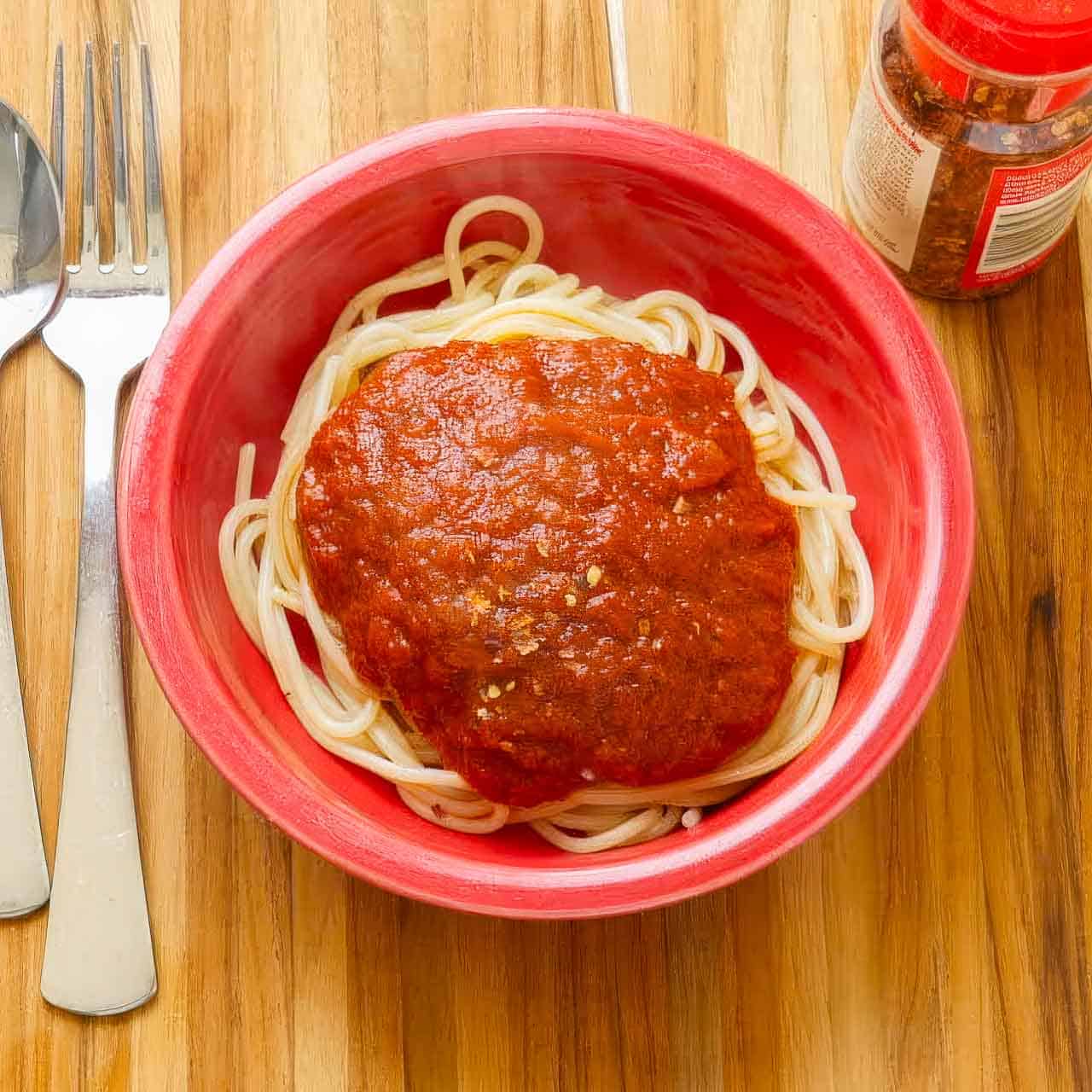
Tomato sauce on spaghetti with silverware and red pepper flakes

Instant Pot (Pressure Cooker) Tomato Sauce recipe - 15 minutes under pressure gives you a fantastic pasta sauce.

Tomato sauce on spaghetti with silverware and red pepper flakes
[feast_advanced_jump_to]

My plan seemed so simple - use pressure cooking to get the flavors of a long-simmering sauce in the time it takes to boil water and cook pasta. I've already got a stovetop quick tomato sauce recipe - it will be easy to convert, right?

Easy. Riiiight.

It's time for another episode of "Why can't I get this recipe to work the way I want it"?

I sauté some onions and garlic, add spices, pour in crushed tomatoes, and lock the lid on the pressure cooker. Five minutes under pressure is not enough time for flavors to mingle; the sauce comes out like a salsa, with distinct tomato and onion pieces. Fifteen minutes is just right - the sauce is thick, like it was simmered all afternoon by an Italian Nonna. (OK, OK, I don't know what that would taste like. I don't have an Italian grandmother - I'm a typical American mutt, mostly German and French.)

But…as I'm testing the recipe, every now and again, the sauce scorches on the bottom. I'm running right on the edge of overheating the pressure cooker; the thick, crushed tomatoes have just enough liquid to get up to pressure…most of the time. If the pressure valve doesn't seal quickly, the heating element starts to burn the tomatoes before it switches from "high heat, bring to pressure" mode to "under pressure, low heat to maintain pressure" mode. To be safe, and to add more flavor, I add a half-cup of red wine before adding the tomatoes. Problem solved.

You don't have to use wine - chicken broth or water will both do the trick of adding the extra liquid. Me? I find excuses to add wine into a recipe.

Now, if it was just me and my wife, I'd serve the sauce just like it comes out of the cooker, with some chunks in it. But the kids? Chunks in the sauce? They're not having it. I take my stick blender to the sauce, pureeing it right in the pressure cooker pot.

So, after some fiddling around, I have it. A quick weeknight spaghetti sauce with minimal effort. It takes a little longer than my stovetop recipe…but it's a much richer, fuller bodied sauce, with a lot less active effort. Once the pressure cooker is locked, there's nothing to do but wait, and boil water for the pasta.

INGREDIENTS

  • 1 tablespoon olive oil
  • 1 large onion, minced
  • 3 cloves garlic, crushed
  • ½ teaspoon fine sea salt
  • 1 teaspoon dried Italian seasoning (or dried basil)
  • Pinch red pepper flakes (optional)
  • ½ cup red wine (or chicken broth, or water)
  • 1 (28-ounce) can crushed tomatoes
  • 1 teaspoon fresh ground black pepper

How to Pressure Cook Tomato Sauce

Sauté the onions in an Instant Pot

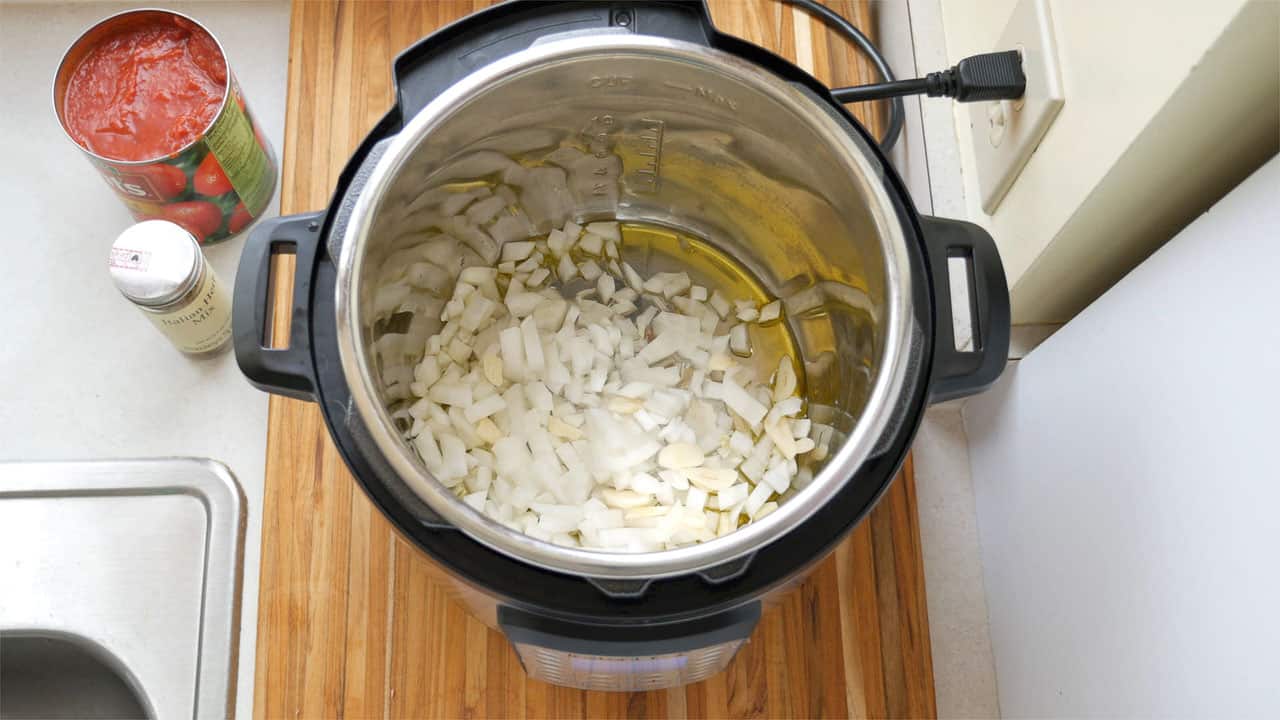
Sauté the aromatics

Set an Instant Pot or other pressure cooker to Sauté mode-high (medium-high heat for a stovetop PC) and pour in 1 tablespoon of olive oil. Wait for the oil to start shimmering, about 3 minutes. Add the onion and garlic and sprinkle with ½ teaspoon of salt. Add the Italian seasoning and the pinch of red pepper flakes, and give the pot a stir. Cook, stirring occasionally, until the onions soften, about five minutes.

Can of tomatoes into the Instant Pot

Add the liquid and the tomatoes

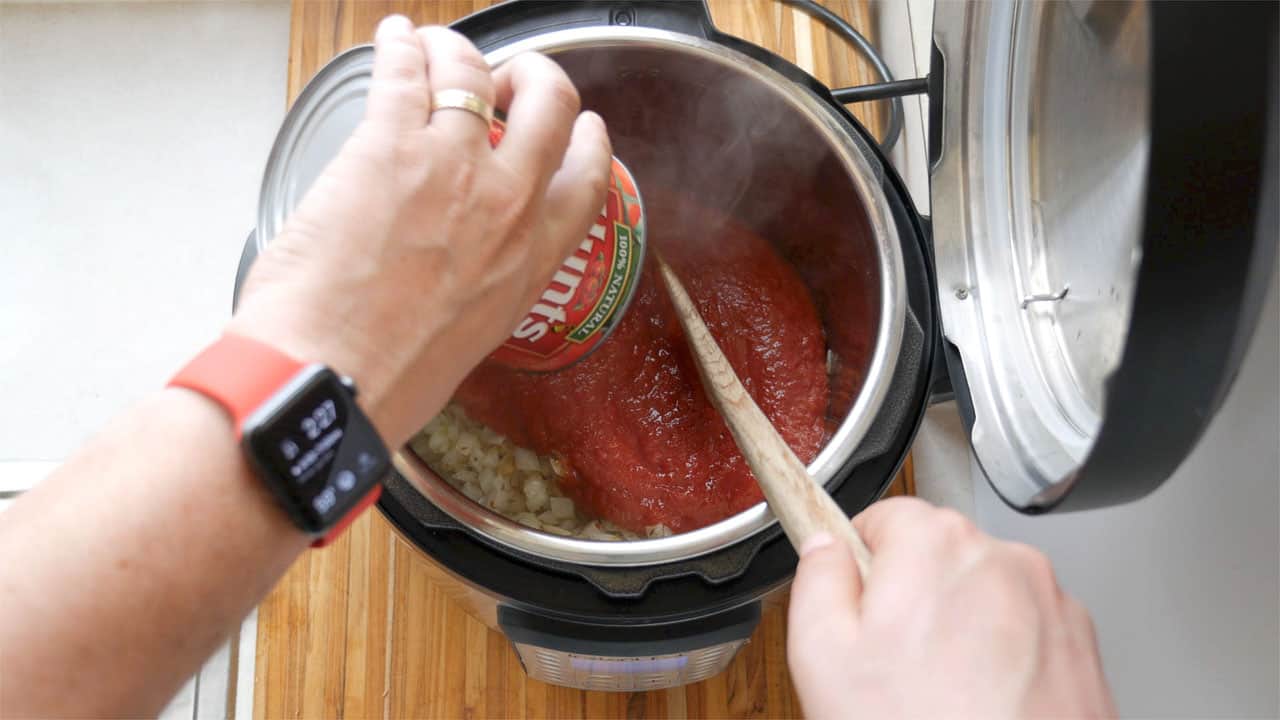
Pour in the wine (or broth, or water). Bring to a simmer, scraping the bottom of the pot to loosen any stuck bits of onion. Stir in the crushed tomatoes.

Pressure cook for 15 minutes on high pressure

Lock the pressure cooker lid, then cook on high pressure for 15 minutes in an electric PC, or 12 minutes in a stovetop PC. Quick release the pressure by turning the pressure release valve. Once the pressure has dropped, remove the lid, tilting it away from you to protect yourself from the hot steam.

Puree the sauce with an Immersion Blender

Season, purée, and serve

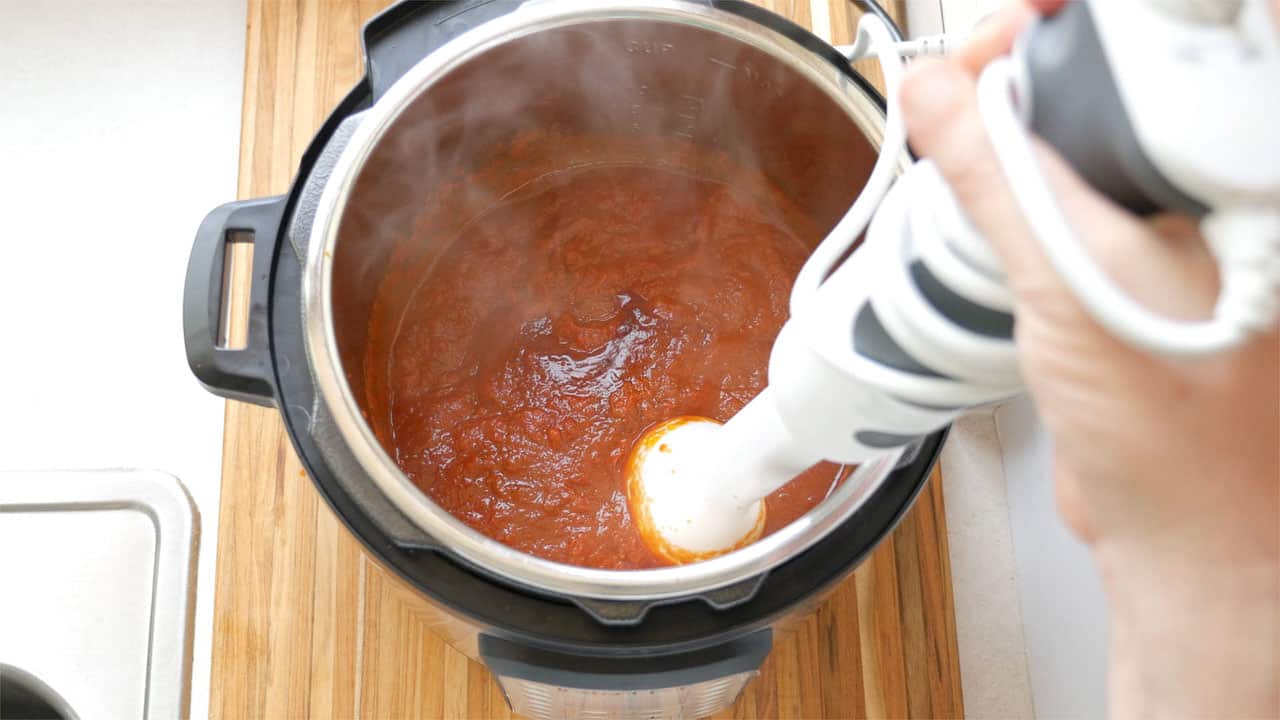
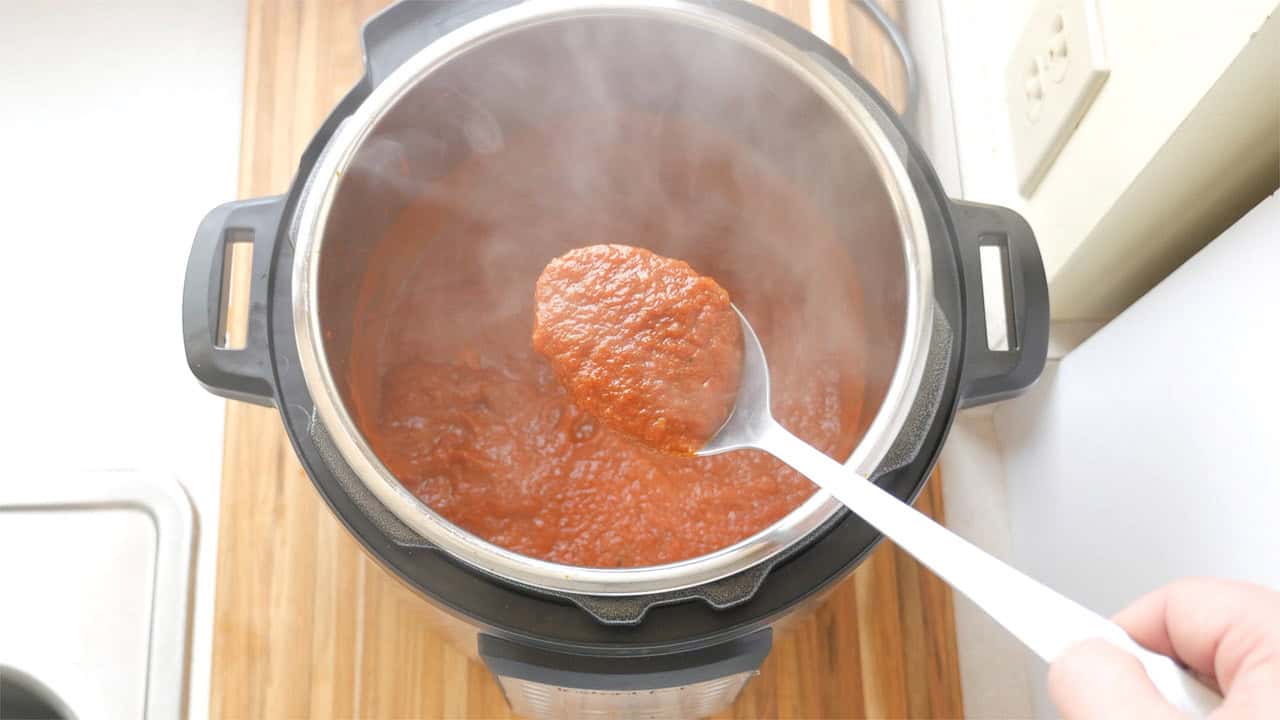
Stir in ½ teaspoon ground black pepper. If you like a chunky, rustic sauce, serve it as-is. If you want a smooth sauce, purée with a stick blender right in the pot before serving. Enjoy!

A spoon of smoothed sauce

Variations

Buttery Sauce

Add a tablespoon of butter with the olive oil for extra rich sauce.

Chunky sauce

Replace the crushed tomatoes with diced tomatoes. (The timing stays the same).

Smooth sauce

If you know you want a smooth sauce from the start, replace the crushed tomatoes with Italian strained tomatoes (like Pomi or Bioanturae).

Storage

This sauce stores beautifully. It will last for a few days in the refrigerator, or can be frozen for up to 6 months.

FAQs

What tomatoes should I use?

I like Muir Glen crushed tomatoes or San Marzano crushed tomatoes in this recipe, but any crushed tomatoes will do. (I make it with store-brand crushed tomatoes when they are on sale for cheap.)

How long does tomato sauce need when pressure-cooked?

Pressure cooked tomato sauce needs 15 minutes at high pressure with a quick pressure release.

Can I use canned tomatoes instead of fresh ones?

This recipe is made for canned tomatoes, so yes, absolutely. (If you want to use fresh tomatoes, you'll have to find a different recipe - they don't work for a quick weeknight sauce.)

How do I thicken pressure cooker tomato sauce?

If you want thicker sauce, after pressure cooking, set your Instant Pot to Sauté mode - Low (Medium-low for a stovetop PC) and simmer the sauce for 15 minutes, stirring often to make sure the tomatoes don't scorch in the bottom of the pot.

Should I add Sugar?

I'm not a fan of adding sugar to my tomato sauce; I think modern tomatoes are sweet enough straight out of the can. That said, if you want a little sweeter sauce, add 1 teaspoon of sugar with the crushed tomatoes.

Recommended equipment

  • 6 quart or larger pressure cooker (I love my Instant Pot electric pressure cooker)
  • Immersion Blender (optional, if you need a smooth sauce)
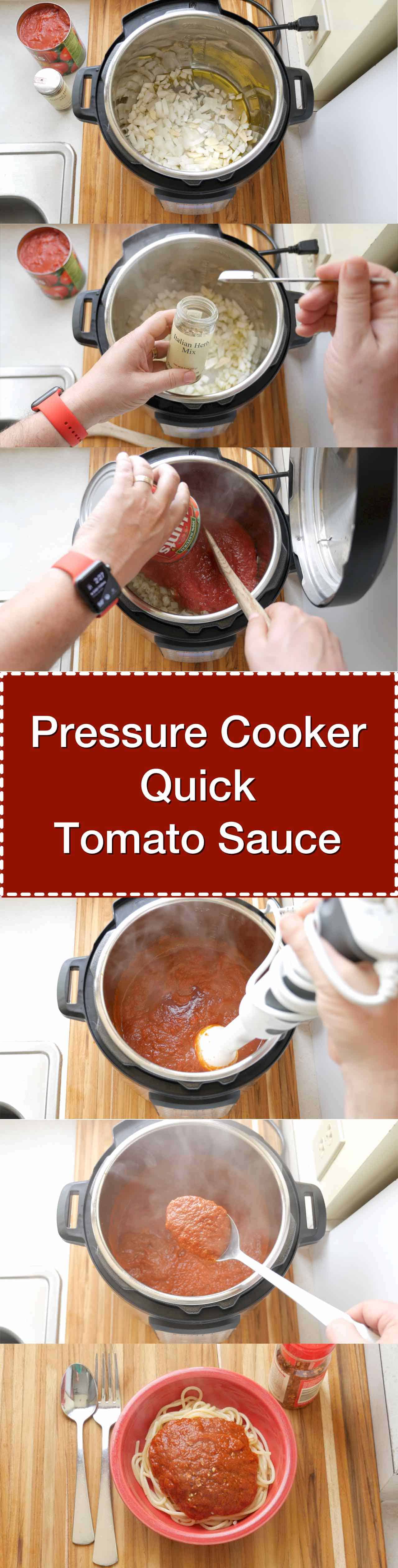
Pressure Cooker Quick Tomato Sauce - step by step tower image | DadCooksDinner.com
Pressure Cooker Quick Tomato Sauce - step by step

What do you think?

Questions? Other ideas? Leave them in the comments section below.

Related Posts

Pressure Cooker Italian Meat Sauce
Pressure Cooker Tuscan Bean Soup
Pressure Cooker Beef Shank (Osso Bucco)
Instant Pot Short Rib Ragu
Instant Pot Tomato Soup
My other Instant Pot and Pressure Cooker Recipes
 

Enjoyed this post? Want to help out DadCooksDinner? Subscribe to DadCooksDinner via email and share this post with your friends. Want to contribute directly? Donate to my Tip Jar, or buy something from Amazon.com through the links on this site. Thank you.

Instant Pot Miso Ramen

October 29, 2024 by Mike Vrobel 1 Comment

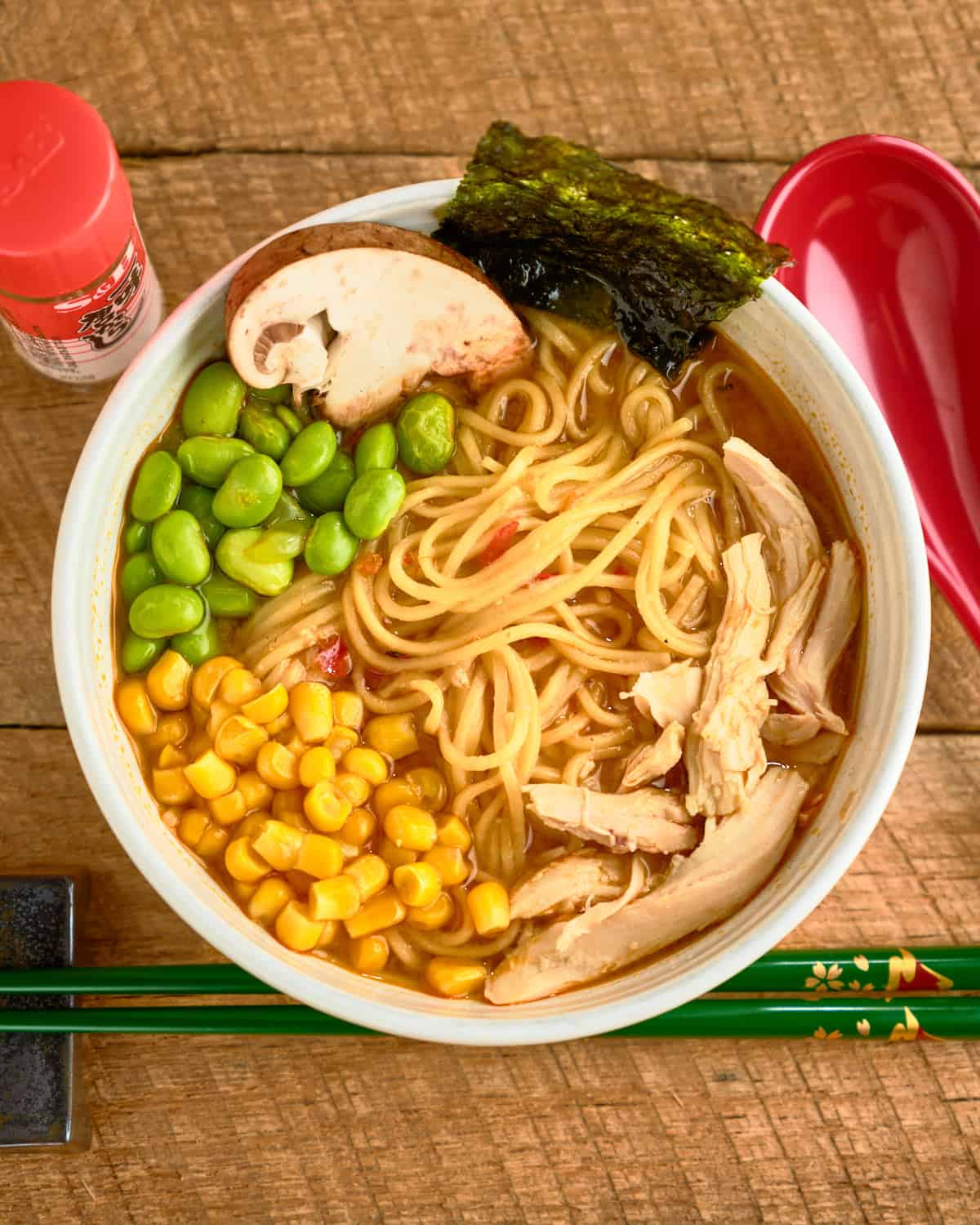
A bowl of miso ramen with a spoon and chopsticks

Instant Pot Miso Ramen: This is real-deal miso ramen with homemade broth, sped up by pressure cooking. If you want ramen that tastes like the real thing, try this recipe.

A bowl of miso ramen with a spoon and chopsticks
[feast_advanced_jump_to]

Ramen was high on my "have to try" list when I went to Japan last summer. Luckily, we had connections. A family friend took us to her son's favorite college ramen place in Kyoto, Hakata-Nagahama-Ramen Miyosh. Trust a college student to find big, cheap, delicious bowls of ramen.

If you've been reading this blog, you know I will try to make ramen when I get home. I have my recipe dialed in, thanks to the Let's Make Ramen! A Comic Book Cookbook and some tips from Spicy Shoyu Ramen ピリ辛醤油ラーメン • Just One Cookbook. Both of them inspire this recipe.

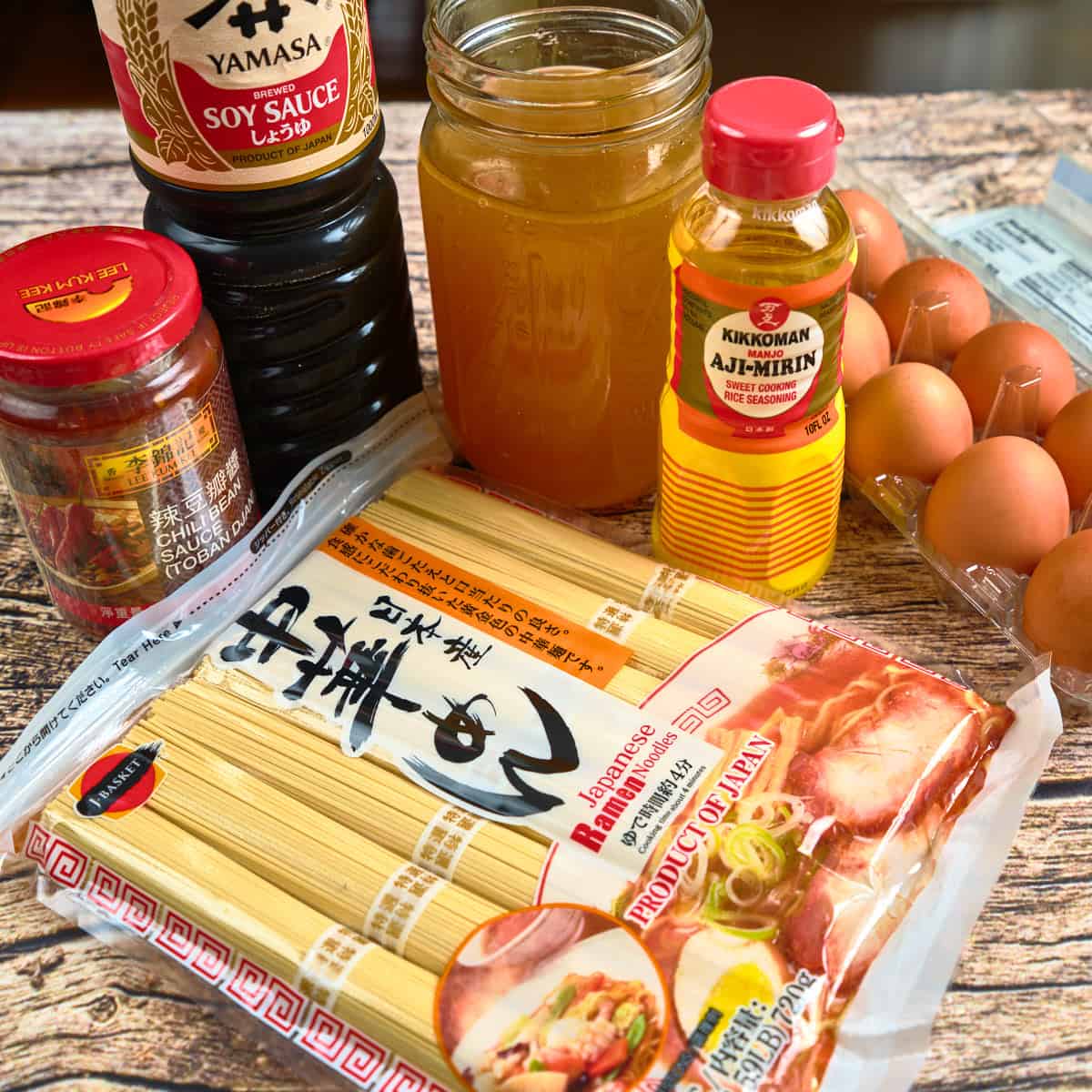
Special Ingredients for Ramen (not all of them)

Ingredients

Chicken Broth (or substitute 2 quarts chicken broth)

  • 3 pounds chicken backs (or a rotisserie chicken)
  • 6 green onions, roots trimmed and cut in half (about 1 bunch)
  • 1 apple, quartered (fuji, gala, or honey crisp)
  • 4-inch piece of ginger, unpeeled, cut into ¼-inch rounds
  • 6 cloves garlic, peeled
  • 1 teaspoon fine sea salt
  • 8 cups of water (Or up to the max fill line in your cooker)

Spicy Miso Ramen

  • 8 cups chicken broth (from above)
  • 2 tablespoons sesame oil
  • ¼ cup mirin
  • 2 tablespoons soy sauce
  • 2 teaspoons Hondashi (or other dashi powder)
  • ½ teaspoon ground white pepper (or black pepper)
  • 4 tablespoons doubanjiang (optional for spicy ramen)
  • ½ cup miso

Ramen noodles

  • 4 bundles of dry ramen noodles (about 12 ounces, 3oz/90g a bundle), cooked according to package directions

A pound of protein - pick one of:

  • shredded chicken
  • shredded pork
  • Chashu pork (If you made my Instant Pot Chashu Pork recipe)
  • Meatballs (I use the Sumo Meatballs from this recipe)

Other Toppings (all are optional)

  • 1 cup corn kernels (I cook frozen corn)
  • 1 cup shelled edamame (I cook frozen edamame)
  • 4 hard-boiled eggs, peeled and cut in half (I use Instant Pot Hard Boiled Eggs)
  • Sliced Shiitake Mushrooms
  • 4 green onions, minced
  • Pickled Ginger
  • Chili Crisp (or chili oil) - for extra heat
  • Pieces of Nori cut into 2" by 4" pieces for garnish (I buy nori snack packs).

How to make Instant Pot Miso Ramen

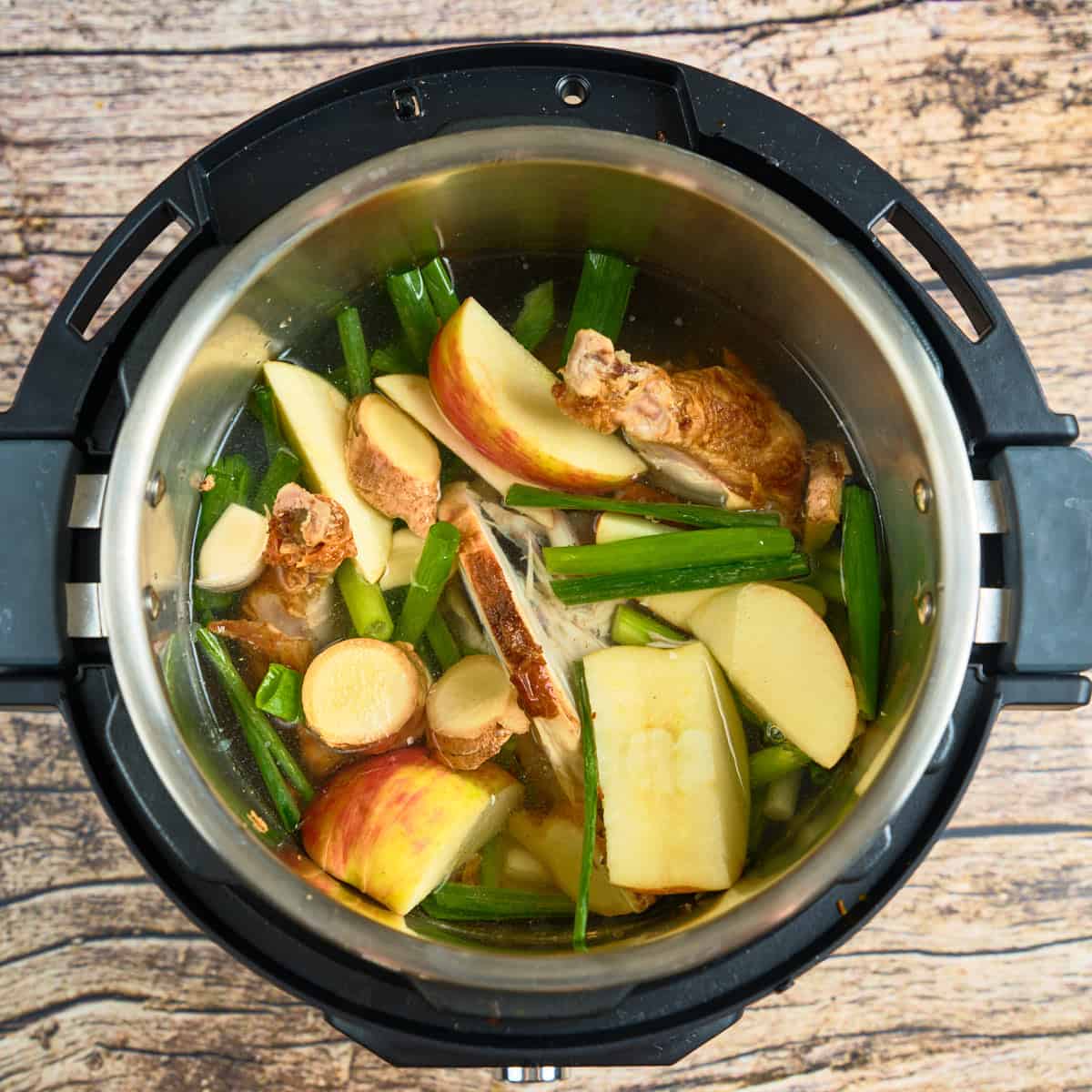
Everything in the pot for the broth

Make the Chicken Broth

Put the chicken backs, green onions, apple, ginger, garlic, 1 teaspoon fine sea salt, and 8 cups of water into an Instant Pot or other pressure cooker. Lock the lid and pressure cook on high pressure for 1 hour in an Instant Pot or other electric pressure cooker or for 50 minutes in a stovetop pressure cooker. Let the pressure come down naturally (about 20 minutes), then unlock the pot. Scoop out and discard as much of the solids in the pot as you can with a slotted spoon - they've given their all to the broth - then pour the broth through a fine mesh strainer. (The broth can be used immediately, refrigerated for a few days, or frozen for up to 6 months.)

Make the Ramen Broth

Put the strained broth back into the pot, and set the pot to Sauté mode adjusted to high. (Use medium-high heat with a stovetop PC). Stir in the sesame oil, mirin, soy sauce, hondashi, ground white pepper, and (optional) doubanjiang if you want spicy ramen. Put the non-pressure lid on the pot (if you have it) and bring the ramen broth to a simmer.

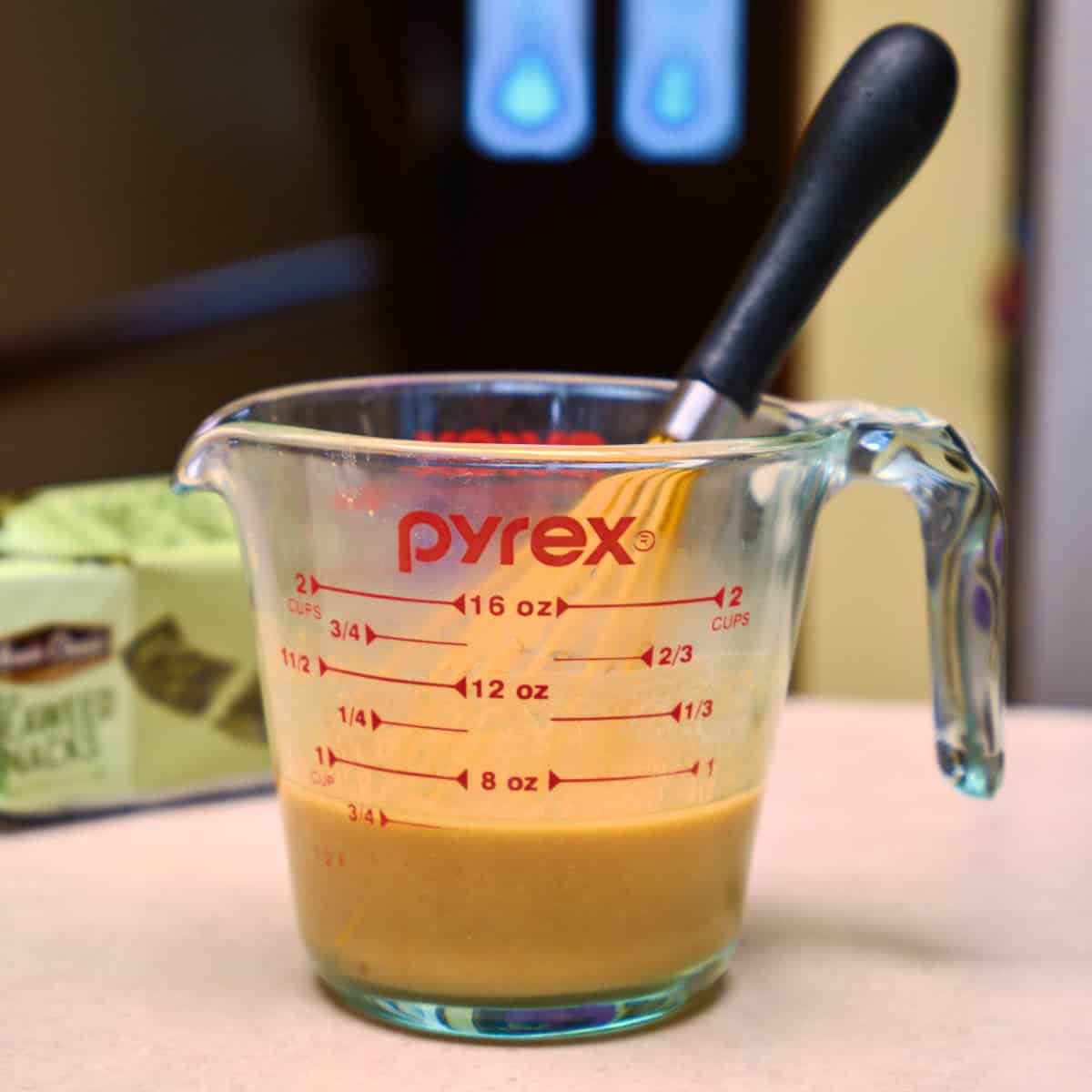
While the broth is simmering, put the miso into a small bowl and ladle ½ cup of the simmering broth into the bowl. Whisk the miso and broth until the miso is smooth. Whisk the smoothed miso back into the pot of simmering broth.

Miso whisked with broth

Pressure Cook the Ramen Broth for 1 minute with a 10-minute Natural Release

Lock the lid and cook on high pressure for 1 minute in an Instant Pot or other electric pressure cooker (use Manual, Pressure Cook, or Pressure Cook - Custom mode in an Instant Pot). Let the pressure come down naturally for 10 minutes, then quick release the remaining pressure. Unlock the pot, opening the lid away from you to avoid any hot steam.

Cook the Ramen noodles

While the ramen broth is pressure cooking, boil the ramen noodles in a pot of water according to the package instructions. (Mine boil for 4 minutes). Drain the noodles and immediately divide them into 4 big ramen bowls.

Build the bowls of Ramen

Add your other toppings to the bowl with the noodles, then add the broth after everything is in the bowl. I put the protein on one side, then work my way around the outside of the bowl, adding the rest of the toppings in sections. (I let my diners build their bowls so they can pick and choose their toppings.) Adding the broth last lets you see how much you need after you have all the other toppings. Then, I garnish the bowl by tucking a Nori or two in on the side and serve immediately. Enjoy!

Substitutions

Spicy Ramen: The key to spicy ramen is toban djan, a spicy bean paste that is a Chinese import to Japanese cooking. (It is also called dobuanjiang and tobanjan. If you want to skip the heat, skip the tobandjan.

The phonetic translation of the Chinese name, 辣豆瓣醬, has many spellings in English). I have to go to Asian specialty markets to find it (or order it from Amazon), and the only version I can find locally is Lee Kum Kee Chili Bean Sauce (Toban Djan). That's OK because I really love the flavor.

If you can't find toban djan, Korean Gochujang chili paste is a good substitute.

(Thanks to Just One Cookbook for the tip about Toban Djan as the "spicy" in spicy ramen.)

Ramen Noodles: The ingredient that makes noodles into ramen noodles is Kansui, 枧水, a mix of potassium carbonate and sodium carbonate (baking soda). It gives the noodles a slight yellow color and springy texture. Look for ramen noodles with potassium carbonate, sodium carbonate, or just the word "carbonate" in the ingredients list. I like J-Basket Japanese Ramen Noodles because they're often available in my local Asian markets. With that said, many "ramen" noodles at my local stores don't have carbonate in the ingredient list. They're fine, and I'll use them if I have to, but they don't have the springy texture of noodles made with Kansui.

 Mirin and Hondashi: The other two specialty ingredients I use are Mirin and Hondashi. Mirin is a sweetened rice wine available at Asian specialty markets and (nowadays) at well-stocked grocery stores. You can substitute rice wine vinegar if you have to. Hondashi is instant dashi broth, the bouillon cube of Japan, but so much better than Western bouillon cubes. It's dried dashi broth, ready to be rehydrated. Hondashi is the most common brand, but any powdered dashi will work. If you can't find it, skip it; it adds a unique flavor that I have not found a good substitute for.

Homemade broth? Homemade broth!

This recipe includes making your own broth, using a variation on my Instant Pot chicken back broth recipe. (Or use a store-bought rotisserie chicken instead of the backs, like I do in my Instant Pot rotisserie chicken broth recipe). If you want to substitute store-bought broth, buy low-sodium chicken broth and skip making the broth. The ramen will still be good, but it won't be great. (Homemade broth makes excellent ramen, and it's easy - try it at least once.)

What kind of miso should I use in Miso Ramen?

White miso, also called shiro miso in Japanese, is my default choice. It's easy to find in most grocery stores. Red miso (also called aka miso) is much stronger than white miso, and less sweet, because it is fermented longer. If I have red miso on hand, I will replace a little of the white miso with red miso. I use 3 tablespoons of white miso and 1 tablespoon of red miso instead of the ¼ cup (4 tablespoons) of white miso.

The simple version

I know this recipe is complex. There's a lot going on in a simple bowl of ramen. If you don't want to do the extra work of making your own broth, go ahead and buy a store-bought broth and skip straight to the Ramen Broth section. After that, I view ramen as noodles, protein, and (maybe) vegetables. Pick and choose what you want to add in. Ramen should be fun, so add what you like!

What to serve with Instant Pot Miso Broth

Ramen is an entire meal in a bowl, and I usually serve it by itself. If you want side dishes, serve it with a seaweed or cucumber salad. And to drink, I suggest a dry Japanese beer. Crisp and cold Japanese beer is a great counterpoint to the ramen.

Related Posts

Instant Pot Kabocha Miso Soup
Wagyu Ribeye Steak
Instant Pot Japanese Egg Salad Sandwich (Tamago Sando)
Okonomiyaki Recipe (Japanese Savory Cabbage Pancake)
Instant Pot Japanese Curry
Instant Pot Salmon and Rice
My other Instant Pot and Pressure Cooker Recipes

Enjoyed this post? Want to help out DadCooksDinner? Subscribe to DadCooksDinner via email and share this post with your friends. Want to contribute directly? Donate to my Tip Jar, or buy something from Amazon.com through the links on this site. Thank you.

Instant Pot Tomato Dal

October 22, 2024 by Mike Vrobel 2 Comments

A bowl of Tomato Dal

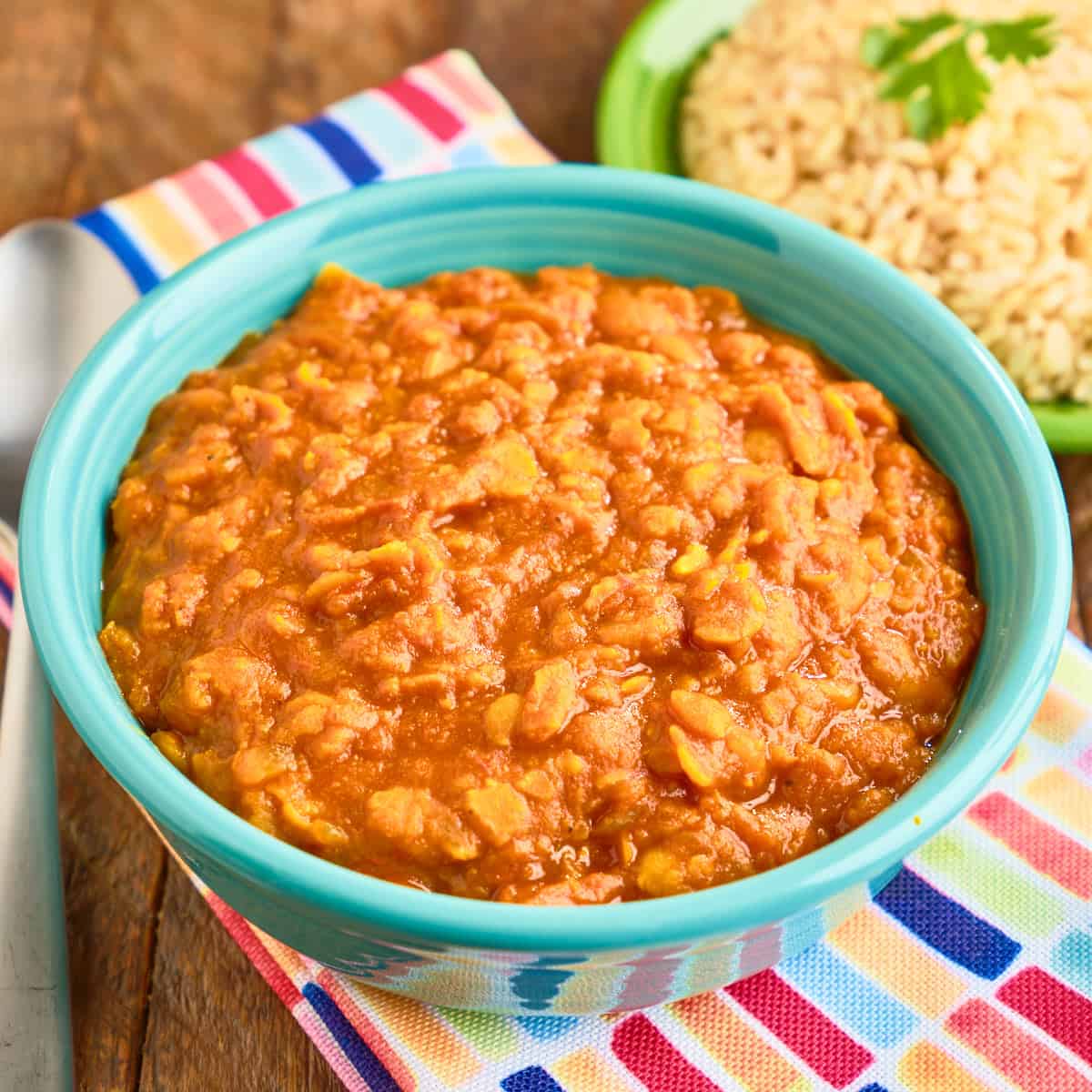
Instant Pot Tomato Dal (Tomato Pappu). A quick weeknight curry with Indian spices and tomatoes. Sauté an onion, garlic, and ginger with curry powder. Then, stir in split pigeon peas (Toor Dal), vegetable broth, and tomatoes, and pressure cook for 8 minutes with a Natural Pressure Release. That's it - curry in a hurry!

A bowl of Tomato Dal
[feast_advanced_jump_to]

I had a fantastic Tomato Dal at Gigi's on Fairmount, and I had to try to make it at home. After some research, I found that the recipe was the chef's take on Tomato Pappu, which uses split pigeon peas as the main ingredient.

In India, split pigeon peas are called Toor Dal, which is what I had to look for at my local Indian grocer. If you can't find split pigeon peas, see my substitutions section for alternatives using split peas or lentils.

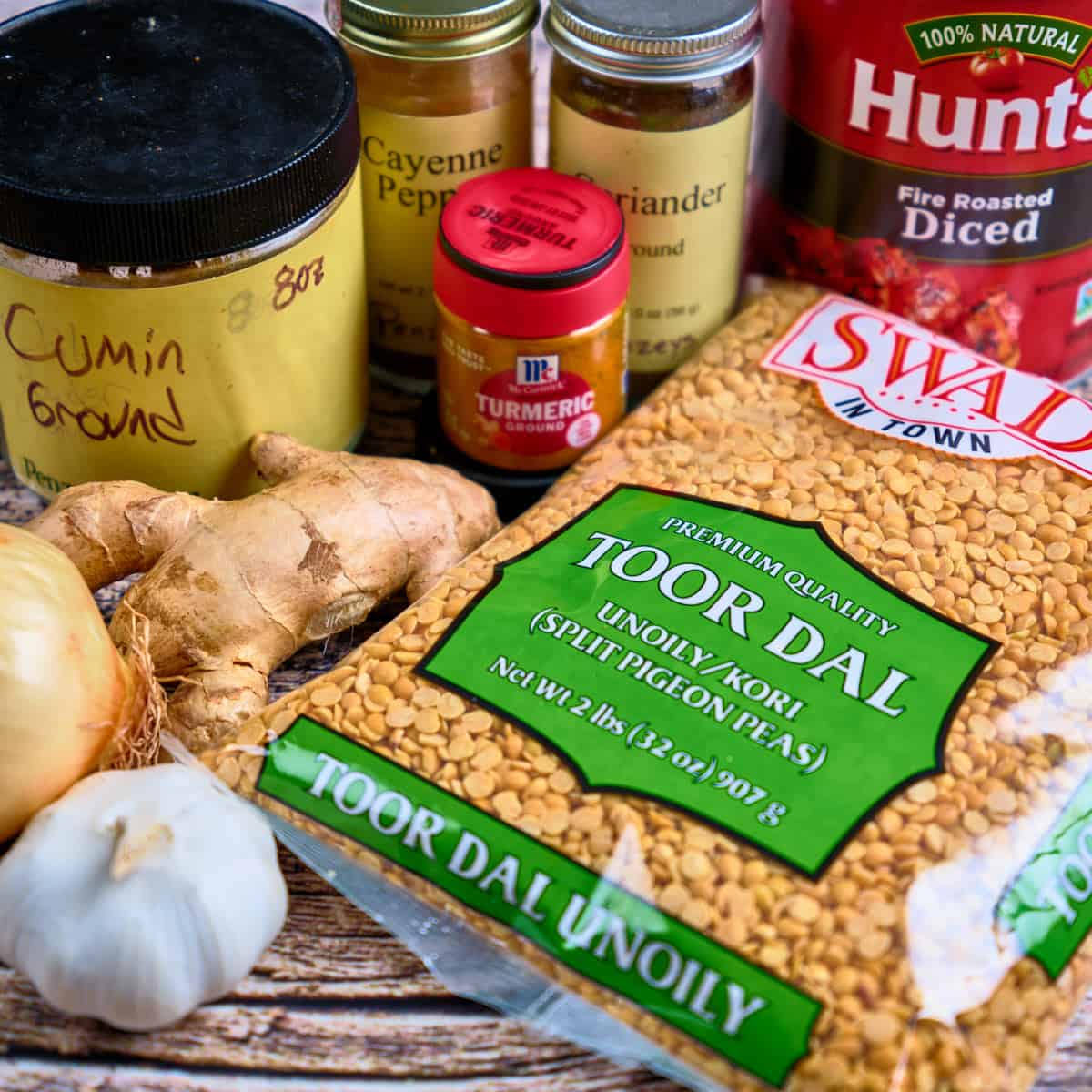
Ingredients for Instant Pot Tomato Dal

Ingredients

  • 8 ounces (1 cup) Toor Dal (Split pigeon peas)
  • 2 tablespoons butter (or ghee or vegetable oil)
  • 1 medium onion, diced
  • ½ teaspoon fine sea salt
  • 2 cloves garlic, minced
  • 1-inch piece ginger, peeled and minced
  • 2 tablespoons curry powder
  • ½ teaspoon cayenne (optional)
  • 2 cups vegetable broth (preferably homemade vegetable broth, or use water)
  • 1 teaspoon fine sea salt (if using homemade broth)
  • 15oz can crushed tomatoes
  • Juice from ½ of a lemon (about 1 tablespoon)

How to make Tomato Dal (Tomato Pappu)

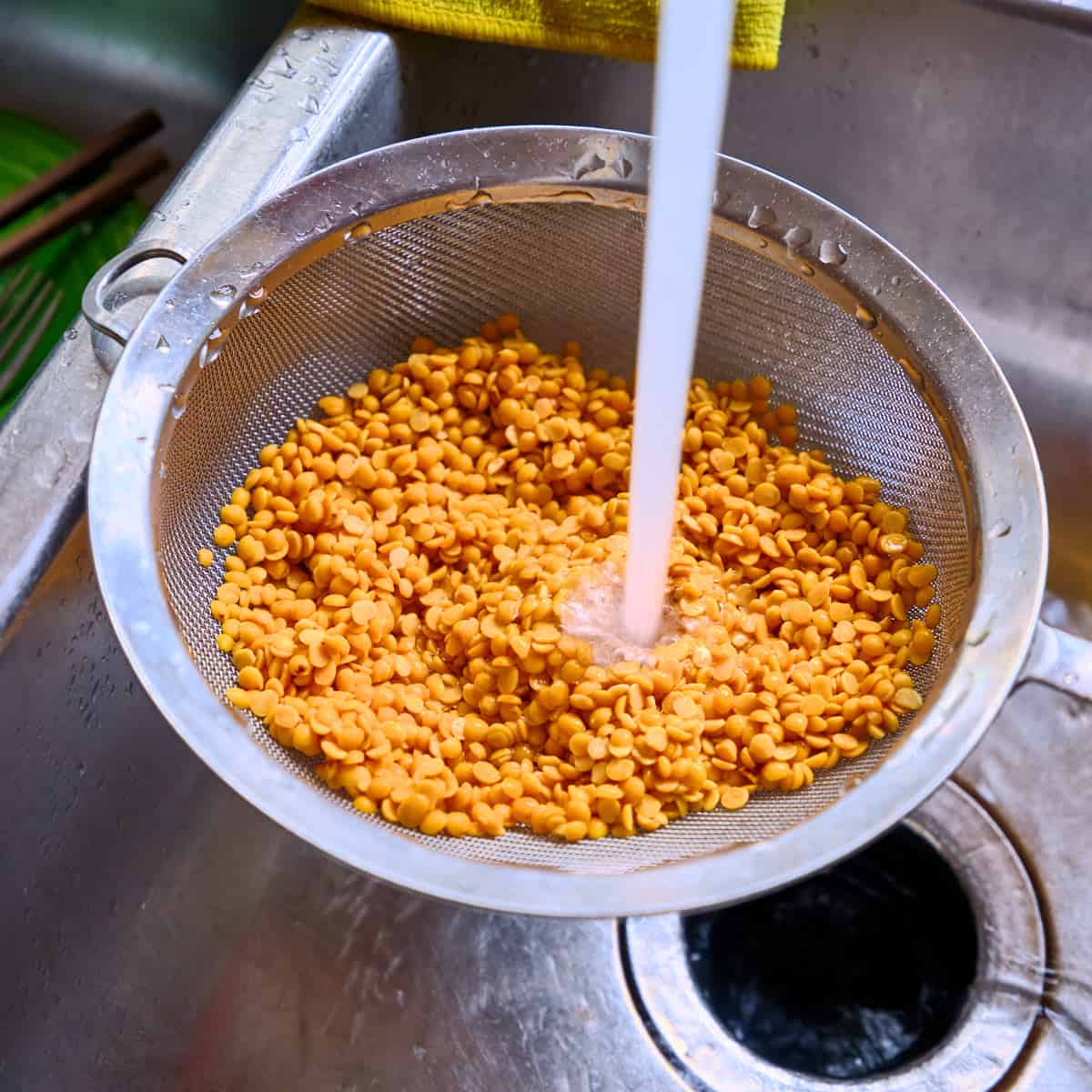
Rinsing the split pigeon peas (toor dal)

Sort, rinse, and drain the Toor Dal (split pigeon peas)

Sort the toor dal, removing any stones or clumps of dirt. Rinse the toor dal under cold running water and let drain.

Sautéing onions and spices in the Instant Pot

Sauté the aromatics and toast the spices

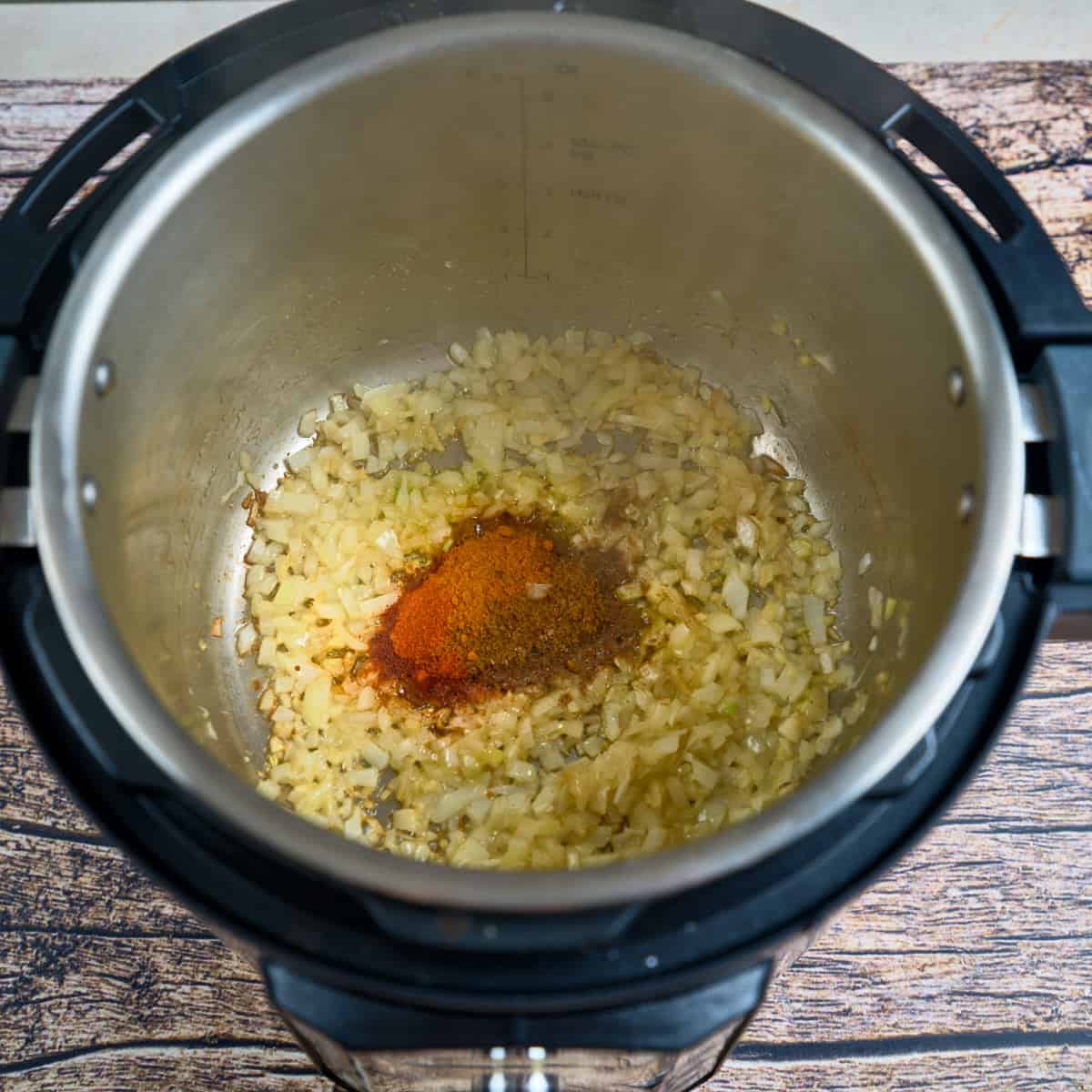
In an Instant Pot, set to Sauté mode - high (medium-high heat for a pressure cooker), melt the butter, and wait for it to stop foaming, about 3 minutes. (If using ghee, heat until it melts. For oil, heat until it starts to shimmer.) Add the onion, sprinkle with ½ teaspoon of fine sea salt, and sauté, stirring occasionally, until the onion softens, about 5 minutes. Make a hole in the center of the onion and add the garlic, ginger, coriander, cumin, turmeric, and cayenne. Toast until you can smell the garlic and spices (about 1 minute), then stir into the onions and cook for 1 minute, stirring and scraping the bottom of the pot with a flat-edged wooden spoon to ensure none of the spices are sticking.

Instant Pot with all the ingredients except the can of tomatoes on the left

Everything in the pot

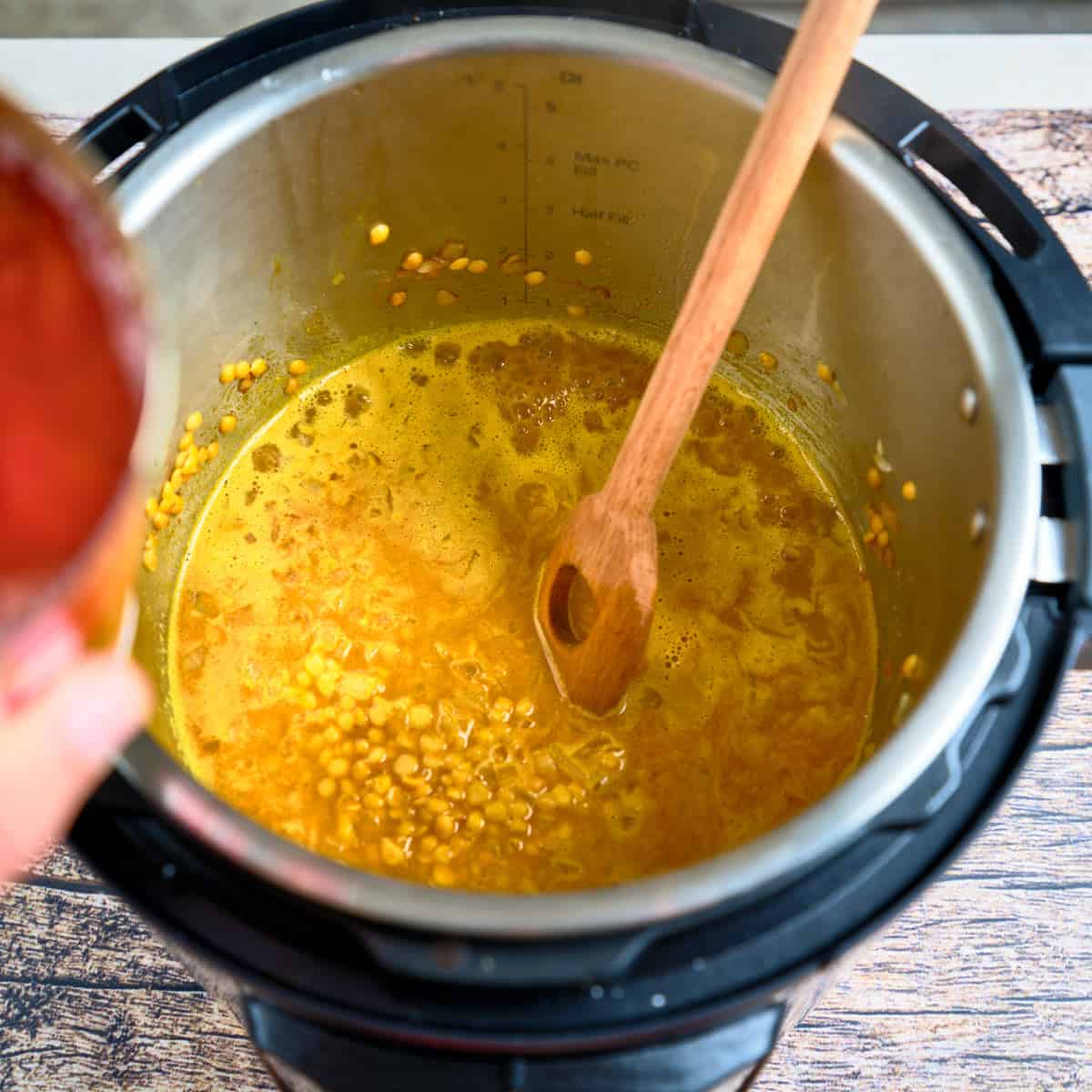
Stir the toor dal into the pot, then pour in the water and stir in the teaspoon of fine sea salt. Scrape the bottom of the pot one last time to make sure nothing is sticking. Pour the crushed tomatoes over the top, but do not stir; we don't want the tomatoes to sink to the bottom of the pot and burn.

Instant Pot set for 8 minutes at high pressure

Pressure cook for 8 minutes with a 15 minute Natural Release

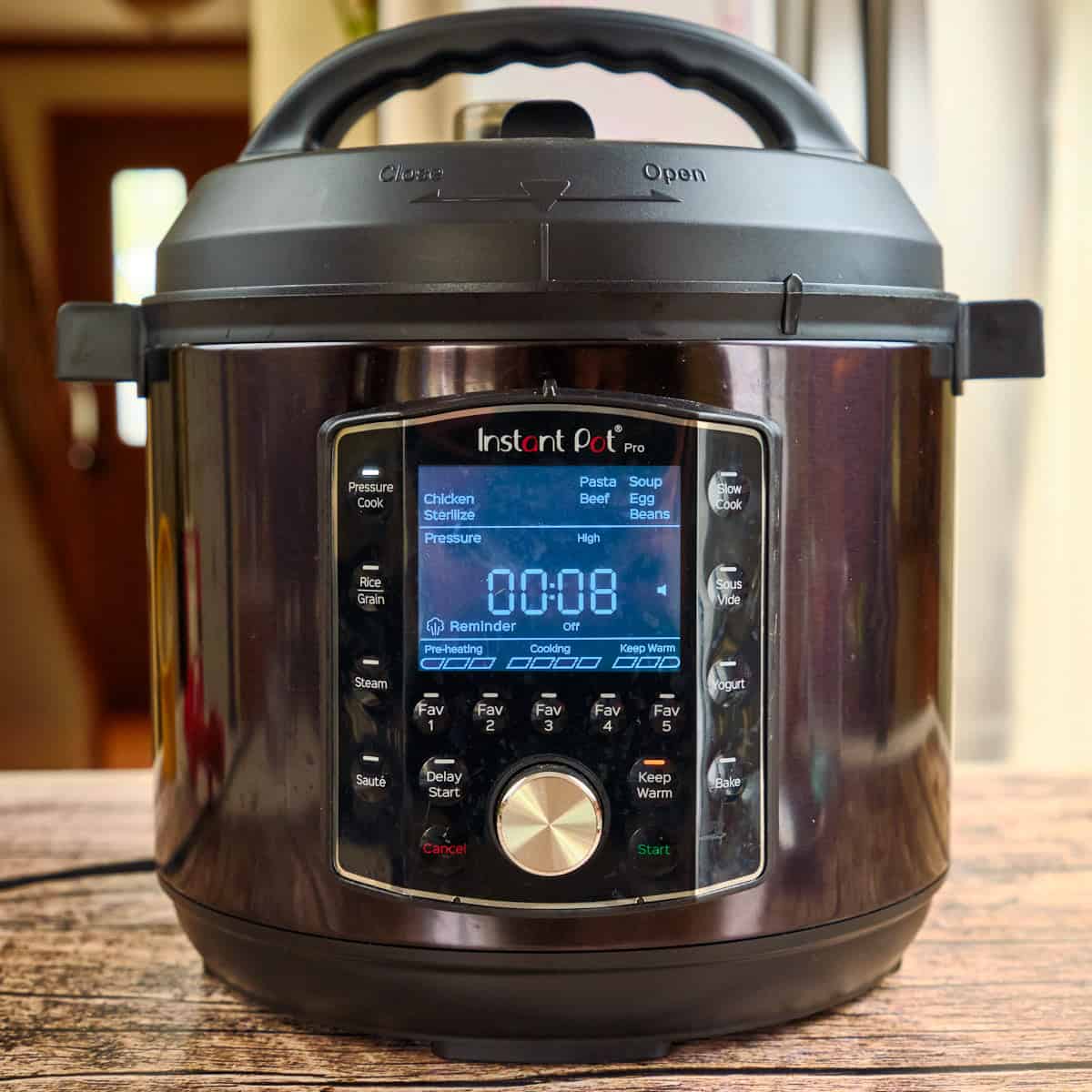
Lock the lid and cook on high pressure for 8 minutes in an Instant Pot or other electric pressure cooker (use Manual, Pressure Cook, or Pressure Cook - Custom mode in an Instant Pot) or for 7 minutes in a stovetop pressure cooker. Let the pressure come down naturally for 15 minutes, then quick release any remaining pressure.

Season and serve

Unlock the pot and open the lid away from you to avoid any hot steam. Stir in the lemon juice, serve, and enjoy!

Substitutions

Different split peas

Toor Dal - split pigeon peas - are traditional for this recipe. They are not the same as split peas; if you substitute yellow split peas for the Toor Dal, increase the cooking time to 15 minutes at high pressure.

Lentils instead of toor dal

Lentils, however, are almost an exact substitute, cooking-wise. You can replace the toor dal with regular brown lentils, and the cooking time stays at 8 minutes at high pressure.

Different heat levels

I like a hot dal, so I add ½ teaspoon of cayenne to the spices. If you want "Indian Hot," go with 1 teaspoon of cayenne; if you want mild, skip the cayenne.

Vegan version

This recipe is vegetarian, but you need to remove the butter to make it vegan. Substitute vegetable or coconut oil for the butter, and you're vegan!

No lemon

I like the hint of tart flavor the lemon adds at the end, but you can skip it if you want, and you'll still get a good curry.

Diced tomatoes vs. Crushed tomatoes

In this recipe, I prefer crushed tomatoes to diced tomatoes. I like the red color the tomatoes give and how they blend into the flavor of the curry. If you prefer chunkier tomatoes, substitute diced tomatoes-or about five fresh plum tomatoes, seeded and diced.

(Or throw a pint of grape tomatoes in the pot-they'll pop under pressure, but out of season, fresh small tomatoes have better flavor than larger tomatoes.)

Tips and Tricks

Curry Powder vs Individual Spices

I use curry powder because it is convenient, but it is definitely not authentic. If you want more authentic spices, replace the 2 tablespoons of curry powder with 2 teaspoons ground coriander, 2 teaspoons ground cumin, 1 ½ teaspoon ground turmeric, ¼ teaspoon ground ginger, and ½ teaspoon dry mustard powder.

Thicken with a blender

After cooking, this dal is pretty thick. If you want extra-thick dal, blend 1 cup of dal until it is smooth, then stir it back into the pot. (I use my stick blender and a 2-cup Pyrex measuring cup.)

What to serve with Tomato Dal

The obvious side dish is rice, preferably basmati rice. (I usually serve Instant Pot Brown Basmati Rice to get some whole grains in my diet.) An Indian flatbread (like Roti or Naan) is good for dipping in the dal.

Related Posts

Instant Pot Indian Black Lentils and Kidney Beans (Dal Makhani)
Instant Pot Thai Yellow Curry
Instant Pot Lentil Curry
Instant Pot Japanese Curry
Instant Pot Coconut Brown Rice
My other Instant Pot and Pressure Cooker Recipes

Enjoyed this post? Want to help out DadCooksDinner? Subscribe to DadCooksDinner via email and share this post with your friends. Want to contribute directly? Donate to my Tip Jar, or buy something from Amazon.com through the links on this site. Thank you.

Instant Pot Salmon and Rice (One-Pot Meal)

October 15, 2024 by Mike Vrobel 12 Comments

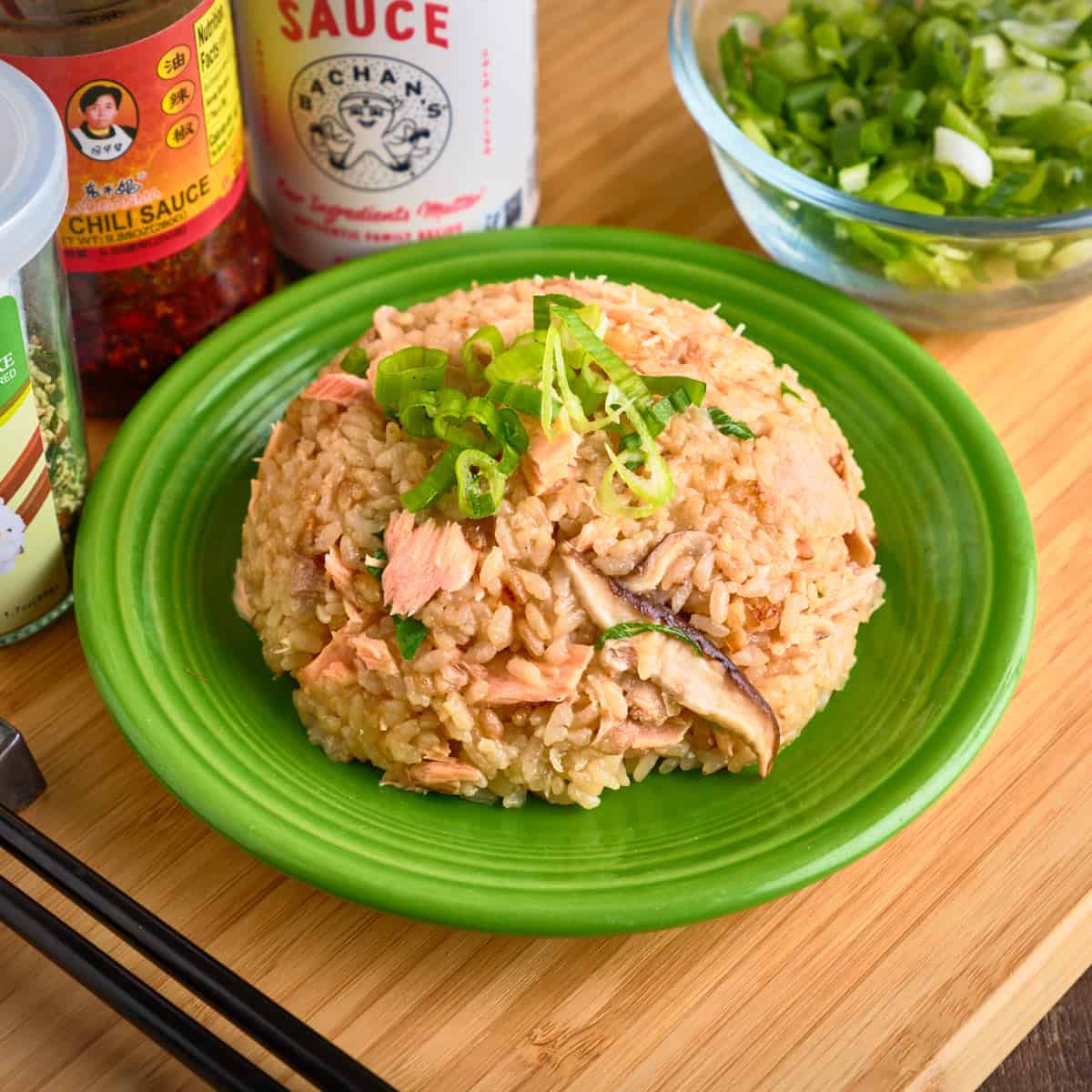
A plate of Salmon and Rice with green onions, Japanese BBQ Sauce, and Chili Crisp

Instant Pot Salmon and Rice is a quick, weeknight, one-pot meal with Japanese flavors. Rice, shiitake mushrooms, and frozen salmon fillets are the main ingredients, with soy sauce, mirin, sesame oil, and green onions to flavor.

A plate of Salmon and Rice with green onions, Japanese BBQ Sauce, and Chili Crisp
[feast_advanced_jump_to]

I became a pressure cooking fanatic thanks to one-pot meals. Soups, stews, chilis, and beans are all ready to go in an hour or less, thanks to cooking under pressure.

That's why I got excited when I saw this recipe. Salmon and rice in one pot? Could I make it work in my Instant Pot? Turns out, the trick is frozen salmon. It protects the salmon from pressure cooking long enough to cook the rice. And, with that, another one-pot Instant Pot meal was born.

Ingredients for Instant Pot Salmon and Rice

INGREDIENTS

  • 2 cups short grain white rice
  • 2½ cups water
  • 1 tablespoon mirin
  • 1 tablespoon soy sauce
  • ½ teaspoon fine sea salt
  • 5 ounces sliced shiitake mushrooms
  • 4 (4-ounce) frozen salmon fillets
  • 1 tablespoon soy sauce
  • 3 green onions, thinly sliced
  • 1 tablespoon toasted sesame oil

Toppings (optional)

  • More sliced green onion
  • Chili crisp (or sriracha or other Asian hot sauces)
  • Furikake rice seasoning (or sesame seeds)
  • Japanese Barbecue Sauce (or teriyaki sauce or soy sauce) for drizzling over the rice

How to make Instant Pot Salmon Rice

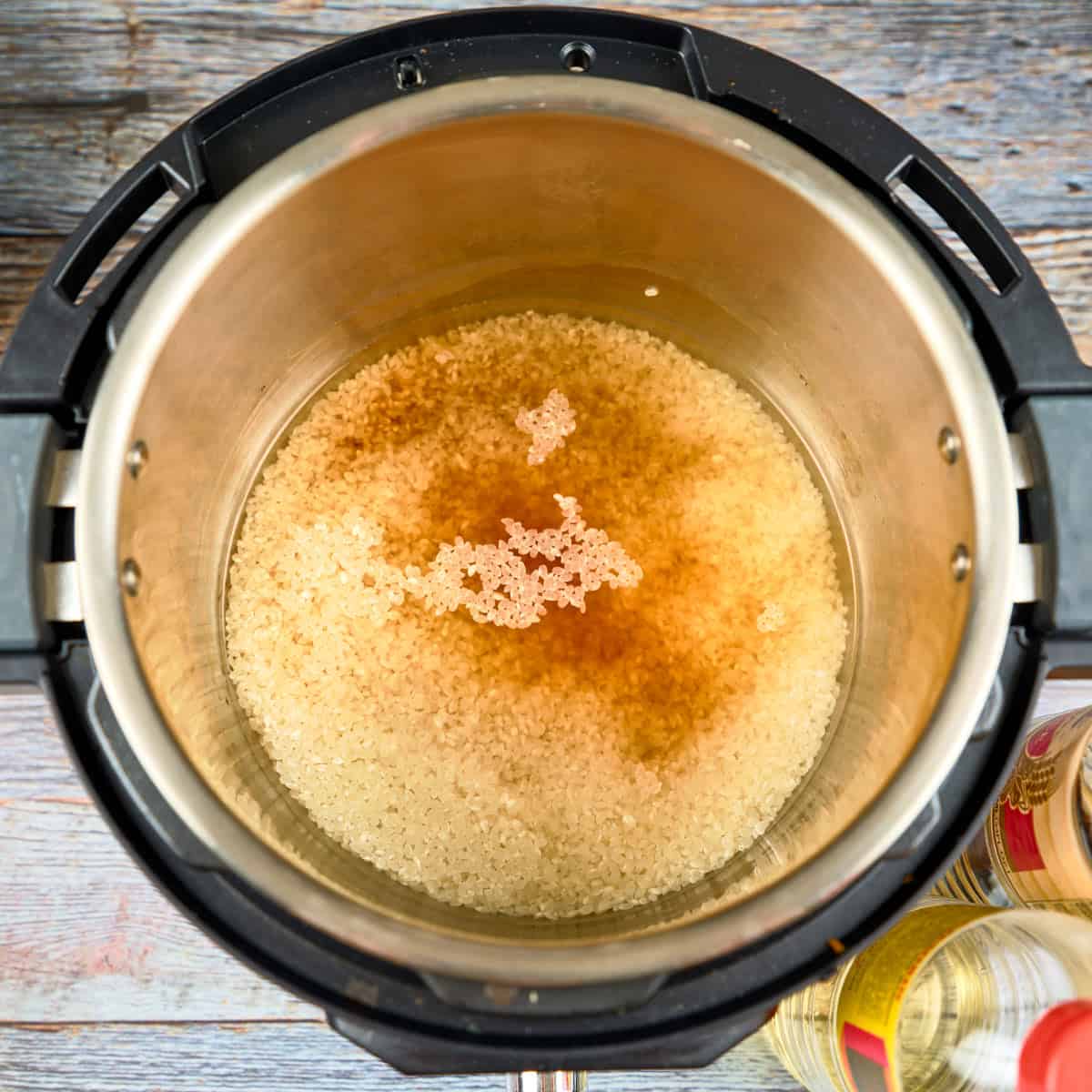
Rice, water, and soy sauce in an Instant Pot

Rice into the pot

Put the rice, water, 1 tablespoon mirin, 1 tablespoon soy sauce, and ½ teaspoon fine sea salt into an Instant Pot or other pressure cooker and stir until combined.

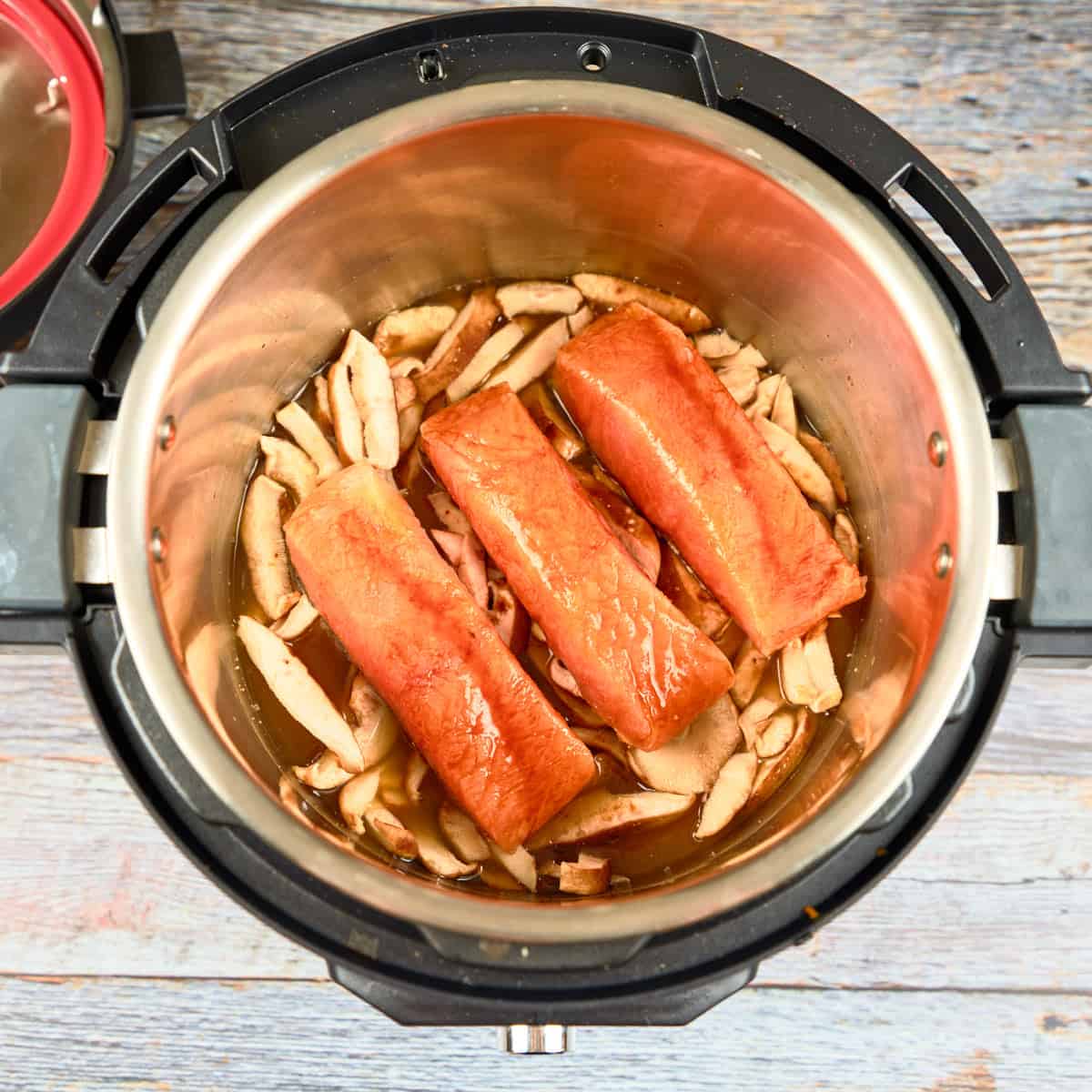
Salmon fillets on top of mushrooms and rice in an Instant Pot

Mushrooms and salmon on top

Spread the shiitake mushrooms on top of the rice in a single layer. Lay the frozen salmon fillets on top of the mushrooms, skin side down, then drizzle the salmon with 1 tablespoon soy sauce.

Instant Pot set to pressure cook for 4 minutes at high pressure

Pressure cook for 4 minutes with a 10-minute natural release

Lock the lid and cook on high pressure for 4 minutes. (Use Manual, Pressure Cook, or Pressure Cook - Custom mode in an Instant Pot.) Let the pressure come down naturally for 10 minutes, then quick release any remaining pressure in the pot.

Skin and shred the salmon, season, and serve

Unlock the lid, tilting it away from you to avoid the hot steam. Carefully remove the salmon from the pot - don't worry if it breaks into pieces - then peel the skin off of the salmon. Put the salmon back into the pot. Break the salmon fillets into flakes with a wooden spoon or rubber spatula. Add the thin-sliced green onion and gently stir the salmon and green onion into the rice. Drizzle the tablespoon of toasted sesame oil over the rice and mix it in. Serve, passing the toppings at the table. Enjoy!

Substitutions

Rice: I use short grain because it is traditionally Japanese, but any white rice will do. Jasmine rice, in particular, is another one of my favorites.

Shiitake mushrooms: My local Whole Foods carries sliced Shiitake mushrooms in 5-ounce packages, so that's what I use in this recipe. Sliced white or baby bella mushrooms will also work. If you want to get fancy, use a gourmet mushroom blend.

Mirin: Substitute sake, rice vinegar, or apple cider vinegar. (Or skip it).

Toasted sesame oil: This is a common ingredient found in the Asian section of your local grocery store. The key is "toasted"-the oil should be dark brown from the roasted sesame seeds. Toasted sesame oil has a rich, nutty flavor. Don't use "virgin" sesame oil, which is a bland, neutral cooking oil from unroasted sesame seeds.

Fresh salmon: Unfortunately, fresh salmon fillets won't withstand pressure cooking. I'd recommend freezing them before cooking. Or, steam them after cooking: Pressure cook the rice, unlock the lid on the cooker, and lay the fresh salmon fillets on top of the rice. Close the lid and let the salmon steam in the pot. It is done when it will flake apart when pressed with a fork, five to ten minutes.

Tips and Tricks

Frozen salmon for pressure cooking

This is the big tip - use frozen salmon in the pressure cooker. Salmon cooks quickly under pressure. (Too quickly.) Fresh salmon would overcook, but frozen salmon is perfect for this quick-cooking rice recipe.

Simplest Salmon and Rice

If you want the simplest version of this recipe, you can do it with four ingredients: rice, frozen salmon, soy sauce, and minced green onion. The other ingredients add more flavor

What to serve with Salmon Rice

As I mentioned in the ingredients, I love a bunch of different toppings for salmon rice. Drizzle on some Japanese barbecue sauce, teriyaki sauce, or soy sauce. Add a few splashes of a hot sauce, like sriracha, or a few spoonfuls of chili crisp. Sprinkle on some sliced green onions or minced cilantro.

I'll serve this one-pot meal with a salad and a green vegetable side, like Steam-Sauteed Green Beans, Instant Pot Green Beans, or Pressure Cooker Chinese Kale.

Adapted from: One-Pot Salmon and Shiitake Rice Recipe - Bon Appétit

Related Posts

Instant Pot Shrimp Risotto
Instant Pot Dirty Rice
Instant Pot Chicken Legs and Rice (Arroz con Pollo)
Instant Pot Chicken Risotto
Instant Pot Risotto with Pork and Cinnamon (Risotto All'Isolana)
Instant Pot Miso Ramen Recipe
Instant Pot Shrimp Etouffee
My other Instant Pot and Pressure Cooker Recipes

Enjoyed this post? Want to help out DadCooksDinner? Subscribe to DadCooksDinner via email and share this post with your friends. Want to contribute directly? Donate to my Tip Jar, or buy something from Amazon.com through the links on this site. Thank you.

Pressure Cooker Mac and Cheese

October 8, 2024 by Mike Vrobel 273 Comments

A oval platter of macaroni and cheese

Pressure Cooer Mac and Cheese is my go-to Macaroni and Cheese technique. I make it in my Instant pot for weeknight dinners, and as a side dish for potlucks. 4 minutes at high pressure cooks the noodles, then it's time to stir in the cheese. That's right, homemade mac and cheese that didn't come from a packet in a blue box, ready in about a half an hour.

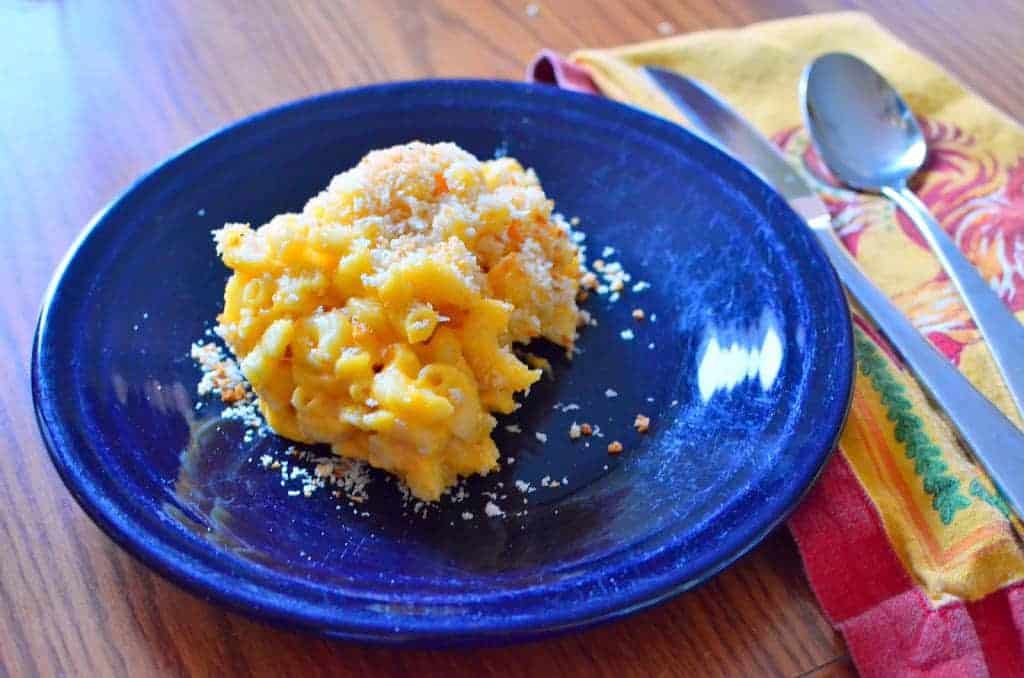
A plate of Mac and Cheese with bread crumbs
[feast_advanced_jump_to]

For years I made the mac and cheese from Pam Anderson's The Perfect Recipe. Then I read Ideas in Food; their recipe was similar to Pam's, stripped down to the basics.

Both recipes use evaporated milk as their secret weapon. Evaporated milk replaces the flour and milk béchamel sauce, and all the whisking that entails. I mashed the two recipes together, and that's what I've been using ever since.

Now, even with the evaporated milk shortcut, this was a stretch to make on a weeknight. Especially if I want a toasted bread crumb topping. And if I'm making macaroni and cheese, it must have a bread crumb topping.

That's why I jumped when I saw the pressure cooker macaroni and cheese in Pressure Cooker Perfection. They pressure cook the pasta and spices in a small amount of water, treating it like a risotto. This trick really speeds up the recipe - no waiting for a pot of water to boil, no draining, and one (pressure cooker) pot to clean. Weeknight macaroni and cheese is now within my reach. 1In fact, the Pressure Cooker Perfection version looks like the Ideas version, which obviously built on Pam's version, which she developed while she was working for Cooks Illustrated. What comes around, goes around...

Ingredients

  • 1 pound dried elbow macaroni
  • 2 tablespoons butter
  • 1 tablespoon yellow mustard
  • 1 teaspoon hot pepper sauce
  • 1 tablespoon Diamond Crystal kosher salt or 2 teaspoons table salt
  • 4 cups water
  • 1 (12 ounce) can evaporated milk
  • 16 ounces shredded extra-sharp cheddar cheese
  • 6 ounces shredded parmesan cheese

Bread Crumb Topping (optional)

  • 1 cup panko bread crumbs

How to Make Pressure Cooker Mac and Cheese

Pressure cook the pasta for 4 minutes with a quick release

Stir the macaroni, butter, mustard, hot pepper sauce, salt, and 4 cups water in the pressure cooker pot. Lock the lid on the pressure cooker and cook on high pressure for 4 minutes in an electric PC or stovetop PC. (For an Instant Pot, use Manual or Pressure Cook mode, and set the time to 4 minutes.) When the cooking time is done, quick release the pressure and remove the lid.

Stir in the evaporated milk and cheese

Turn the heat under the pot down to low (or turn the electric pressure cooker to sauté-low or keep warm mode), and stir in the evaporated milk. Test a piece of pasta by taking a bite - it should be al dente, but cooked through. If the pasta is still tough in the middle, simmer it for a few minutes, until it is tender. Stir in the cheese one handful at a time, stirring constantly and waiting for the current handful to melt before adding the next handful.

Top with breadcrumbs and broil

Optional step, if you like a toasted bread crumb topping: Pour the macaroni into a 3 quart broiler-safe dish, patting it down to level out the surface. Sprinkle the panko over the macaroni and cheese in an even layer. Broil the macaroni and cheese on high until the bread crumbs are toasted, about 5 minutes. Check the bread crumbs often - they go from pale brown to burnt in a flash.

Quick Tips

Ratio of 1 cup of water to 4 ounces of pasta

4 cups of water is just enough to cook 1 pound (16 ounces) of pasta. No draining is necessary; the water will be absorbed by the pasta. If you have a smaller box of pasta - 12 ounces and 13.25 ounces are common sizes of whole wheat pasta - cut the water back to 3 cups. (Everything else can stay the same.)

Serve with a bottle of hot sauce at the table.

I like Frank's Red Hot, or the smoky flavor of chipotle hot sauce.

Watch the bread crumbs under the broiler

I have burned a lot of bread crumbs in my day. I set a timer for 1 minute intervals while I'm broiling, in case I get distracted. (By a homework meltdown…just to pick a hypothetical example). I have the timer to remind me - "Oh no! The breadcrumbs!"

Storage & Reheating

I save leftover mac and cheese in 2-cup containers. It will last in the refrigerator for a few days, or in the freezer for months. (Mac and cheese freezes well). I reheat 2-cup containers of mac and cheese in the microwave - it takes about 2 minutes to reheat from the refrigerator, or 6 minutes from frozen. (Your microwaving time may be different, depending on how powerful your microwave is.)

Collage of images showing the steps to make mac and cheese in a pressure cooker
Pressure Cooker Mac and Cheese - Step by Step Tower

Video: How to make Pressure Cooker Macaroni and Cheese (5:13)


Video: Pressure Cooker Macaroni and Cheese [YouTube.com]

What do you think? Questions? Other ideas? Leave them in the comments section below.

Related Posts

Instant Pot Chili Mac
Instant Pot Fettuccine Alfredo
Instant Pot Buffalo Chicken Mac and Cheese
Pressure Cooker Beef Shank Osso Bucco
Pressure Cooker Corned Beef and Cabbage
Instant Pot Rotisserie Chicken Noodle Soup
Instant Pot Collard Greens
Instant Pot Baked Ziti
Click here for my other Instant Pot and Pressure Cooker recipes

Enjoyed this post? Want to help out DadCooksDinner? Subscribe to DadCooksDinner via email and share this post with your friends. Want to contribute directly? Donate to my Tip Jar, or buy something from Amazon.com through the links on this site. Thank you.

Instant Pot Black Bean Soup

October 1, 2024 by Mike Vrobel 19 Comments

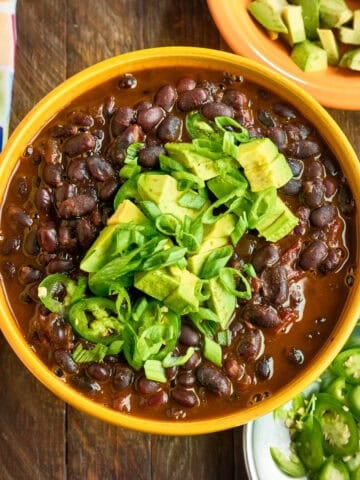
A bowl of black bean soup with avocados and green onions

Instant Pot Black Bean soup. Earthy black bean soup seasoned with cumin, coriander, and lime. Pressure cooking makes dry beans easy to cook, especially black beans. No soaking is needed; the beans can go directly into the Instant Pot after sorting and rinsing. The beans release starch while they're cooking, resulting in a thick and hearty soup.

A bowl of black bean soup with avocados and green onions
[feast_advanced_jump_to]
Ingredients for Black Bean Soup

Ingredients

  • 1 pound dry black beans
  • 2 tablespoons extra virgin olive oil
  • 1 large onion, diced
  • 1 red bell pepper, diced
  • 3 cloves garlic, minced
  • ½ teaspoon fine sea salt
  • 1 tablespoon ground cumin
  • 1 tablespoon ground coriander
  • 1 tablespoon paprika (preferably smoked paprika)
  • ½ teaspoon dried thyme (or a couple of sprigs of fresh thyme)
  • 1 tablespoon minced chipotle en adobo (optional)
  • 6 cups vegetable broth or chicken broth or water
  • 1 ½ teaspoons fine sea salt (if using homemade broth or water)
  • 2 bay leaves
  • Juice of 2 limes
  • 2 teaspoons fresh ground black pepper
  • Minced green onions (optional for garnish)
  • Diced avocado (optional for garnish)

INSTRUCTIONS

Sorting the black beans

Sort and rinse the beans

Sort the dry black beans, discarding any stones, dirt, or broken beans. Put the beans in a strainer and rinse, then let them drain.

Sautéing the onions and peppers, and toasting the spices

Saute the aromatics and toast the spices

Heat 2 tablespoons extra virgin olive oil over medium heat in the pressure cooker until shimmering. Add the onion, red pepper, and garlic and sprinkle with ½ teaspoons fine sea salt. Saute until the onion and peppers soften, about 5 minutes. Make a hole in the middle of the onions and add the cumin, coriander, paprika, thyme, and (optional) chipotle. Toast the spices for 1 minute, then stir them into the onions.

Everything in the Instant Pot

Everything in the pot

Add the sorted and rinsed black beans to the pot, pour in the broth (or water), and stir in 1 ½ teaspoons of fine sea salt if using homemade broth (or water). Scrape the bottom of the pot with a flat-edged wooden spoon to loosen any bits of stuck-on onion or spices. Float the bay leaves on top.

Pressure Cook for 35 minutes

Pressure Cook for 35 minutes with a quick release

Lock the lid and cook on high pressure for 35 minutes in an Instant Pot or other electric pressure cooker (use Manual, Pressure Cook, or Pressure Cook - Custom mode in an Instant Pot) or for 30 minutes in a stovetop pressure cooker. Quick release the pressure.

Season and serve

Unlock the pot, opening the lid away from you to avoid any hot steam. Stir in the lime juice and 2 teaspoons of fresh ground black pepper. Ladle into bowls, top with the (optional) green onion and avocado, serve, and enjoy!

Substitutions

No chipotle en adobo

Canned chipotle en adobo sauce is easy for me to find nowadays in the international aisle in my local grocery store, and it was always available at my local Mexican markets. If you can't find chipotle en adobo, substitute dried chipotle powder or diced jalapeno pepper.

Mild soup

If you don't want any heat, skip the chipotle en adobo.

Extra spicy soup

Add a second chipotle en adobo. Or, on top of the chipotle, add ½ teaspoon of cayenne pepper, which has a lot more heat than chipotle.

Bell peppers

I like the sweet taste of red bell peppers, but you can substitute green bell peppers - or any color you want, basically.

No limes

I add the limes at the end to give the soup a hint of citrus and acid. If you don't have limes, skip them or substitute 2 teaspoons of cider vinegar.

Vegetarian or Vegan

Easy! This recipe is vegetarian and vegan as written.

Carnivore

If you don't care about eating vegetarian, you can make some or all of the following changes: 

  • Butter: Substitute 2 tablespoons of butter for the olive oil. Melt the butter in the pot before adding the onions and bell pepper.
  • Ham hock: Beans always taste better with a little smoked pork mixed in. Throw a ham hock in the pot when you add the beans. 
  • Chicken broth: Use chicken broth instead of vegetable broth. Chicken broth is richer and has more body.

Fancy vegetable sprinkle

If I want to dress this soup up, I'll save some of the red bell pepper and the onion, mince them fine, mix them with the green onions, and sprinkle them on the soup right before serving.

Variations

Cuban Black Bean Soup

Cuban black bean soup is very similar to this one; everything cooks the same but with a slight variation in the ingredients. Substitute green bell pepper for the red bell pepper, diced cubanelle pepper for the chipotle, skip the coriander and paprika, replace the thyme with 1 teaspoon of dried oregano, and use 1 tablespoon of red wine vinegar instead of lime juice at the end.

Tips and tricks

Dry beans are the key

Dry beans are the reason this is a thick, hearty soup. While they cook, they release a lot of starch into the liquid. Then, the quick pressure release roughs them up some more, releasing even more starch.

Blending for a thicker soup

As I said above, this soup is thick enough for my taste without any extra help, thanks to the starch in the dry beans. If you want an even thicker soup, after cooking, scoop out 2 cups of soup and beans,  blend it, and stir it back in. I use my immersion blender and a 4-cup Pyrex measuring cup. You can also use a regular blender, but be careful - hot air escaping from the soup will try to push off the lid. Hold the lid down with a towel, and if your lid has a removable plug in the middle, take it out.

Floating or tough beans after cooking

Older beans take longer to cook; if they have been sitting on the shelf at your store for a while, they may need extra cooking time. If your beans are still tough when the cooking time is over, especially any "floaters" at the top of the pot, give the beans a stir, lock the lid, and pressure cook for another five minutes.

Sorting Beans

Beans are an agricultural product, and stuff tends to creep in when they are processed. Beans should always be sorted and rinsed before being used to remove any twigs, stones, clumps of dirt, or broken beans.
To sort the beans, I pour them out on one side of a rimmed baking sheet (a half-sheet pan) to keep the beans from escaping. Then I slowly run my fingers through the pile of beans, pulling them towards me on the sheet. I watch the beans as they move, looking for anything that doesn't seem right. If I see something, I poke around in the beans until I find what caught my eye and discard it. I repeat this several times until I'm satisfied everything is picked out of the beans.
Then I dump the beans into a fine mesh strainer and rinse them under cold running water to wash off any dirt or dust still on them.
Now, the beans are sorted, rinsed, and ready for soaking or cooking.

Storing leftover black bean soup

Black bean soup makes great leftovers and keeps for a few days in the refrigerator or for months in the freezer. I store it in 2-cup airtight containers, which are the perfect size for a grab-and-go lunch. 

What to serve with Black Bean Soup

I like to sprinkle minced onions on my soup-usually green onions, like in the recipe, but red onions are another favorite. Sour cream, tortilla chips, and shredded cheese are also good to serve with this soup. I'll add lime wedges if my diners like tart flavors.  
As for side dishes, soup, salad, and bread(sticks) are popular at restaurants for a reason-they're a remarkable combination. I'll make a side salad, and serve it with rolls or a loaf of crusty bread.

Adapted from: Lorna Sass Great Vegetarian Cooking Under Pressure

Related Posts

Pressure Cooker Turkey and Black Bean Chili 
Pressure Cooker Feijoada - Brazilian Black Bean and Meat Stew 
Instant Pot Mexican Black Beans 
Instant Pot Pasta Fagioli (Italian Pasta and Bean Soup, AKA Pasta Fazool) 
Pressure Cooker Southwestern Pinto Bean Soup 
Pressure Cooker Tuscan Bean Soup 
Pressure Cooker Senate Bean Soup 
My other Instant Pot and Pressure Cooker Recipes 

Enjoyed this post? Want to help out DadCooksDinner? Subscribe to DadCooksDinner via email and share this post with your friends. Want to contribute directly? Donate to my Tip Jar, or buy something from Amazon.com through the links on this site. Thank you.

Grilled Stuffed Jalapenos

September 26, 2024 by Mike Vrobel 4 Comments

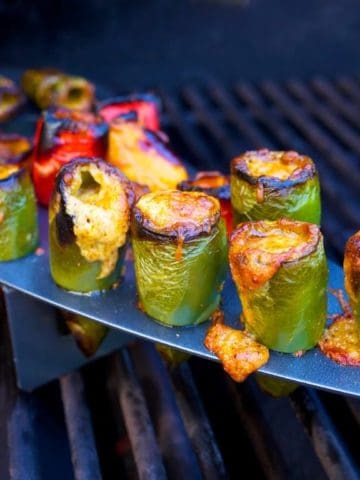
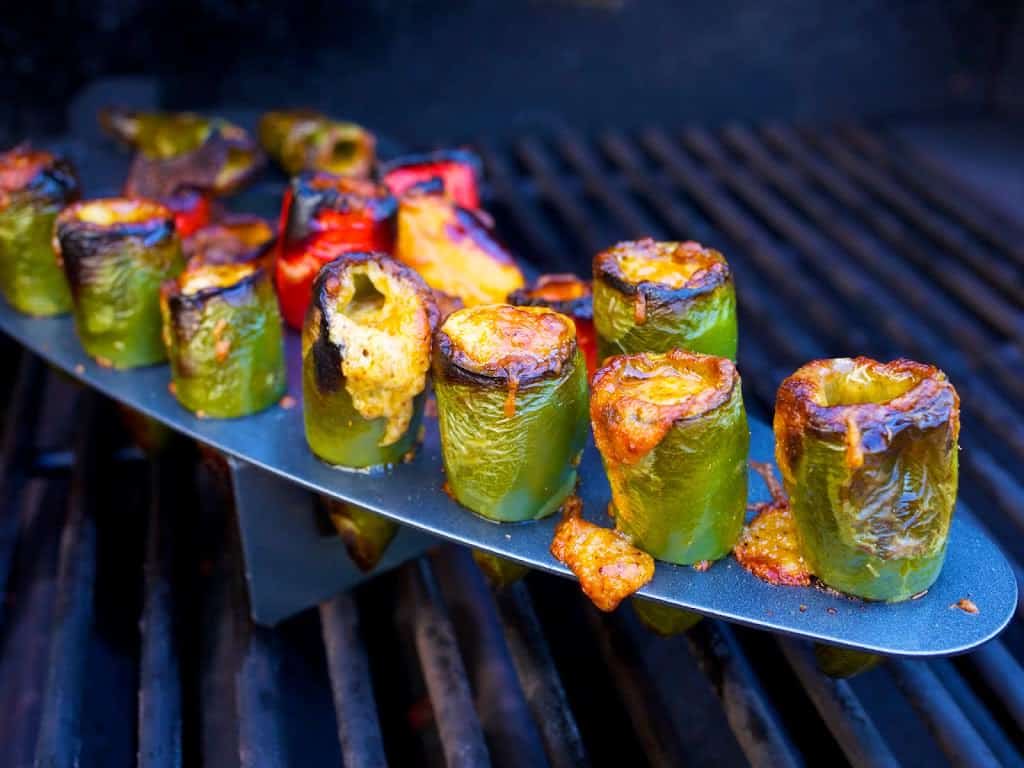
Jalapeno peppers stuffed with melted cheese in a rack on a grill

Grilled Stuffed Jalapeños are a spicy, cheesy appetizer from your grill. Looking for an awe-inspiring way to start out your cookout? Try these stuffed jalapeños.

Jalapeno peppers stuffed with melted cheese in a rack on a grill
Grilled Stuffed Jalapeno Peppers
[feast_advanced_jump_to]

In my day, we didn't have the Internet. We used two cans tied together by a string. That's the way it was, and we liked it!
Apologies to Dana Carvey

Back in the day, when I first started searching the Internet for grilling information, there wasn't much out there. I had the Virtual Weber Bullet , the BBQ Forum…and that was about it. I scoured those message boards every day for new ideas, reading everything that was posted.
I'm still amazed that I could read everything posted on the Internet about barbecue and grilling. Nowadays? That would be like trying to drink Lake Erie by jumping in halfway to Canada with a straw.

One of the ideas that bubbled up in the forums was Dragon Turds - a smoked version of jalapeno poppers.
Yes, dragon turds. BBQ guys are a bunch of eight-year-old boys at heart, giggling about poop jokes. Me included. Hehehehe - he said turd.

Then some backyard genius invented the jalapeno roaster, a metal plate full of holes to hold the jalapenos vertically. The rest is history. Now everyone knows about stuffed jalapeno peppers, and there are jalapeno roasting kits in every shape you could want, from a jalapeno pepper, to an egg, or even the great state of Texas. I recommend a rectangular rack because it is more space efficient on the grill.
(I should take my advice - I bought a jalapeño pepper shaped rack. It's cute, and looks great in pictures, but it takes up a lot of room on the grill.)

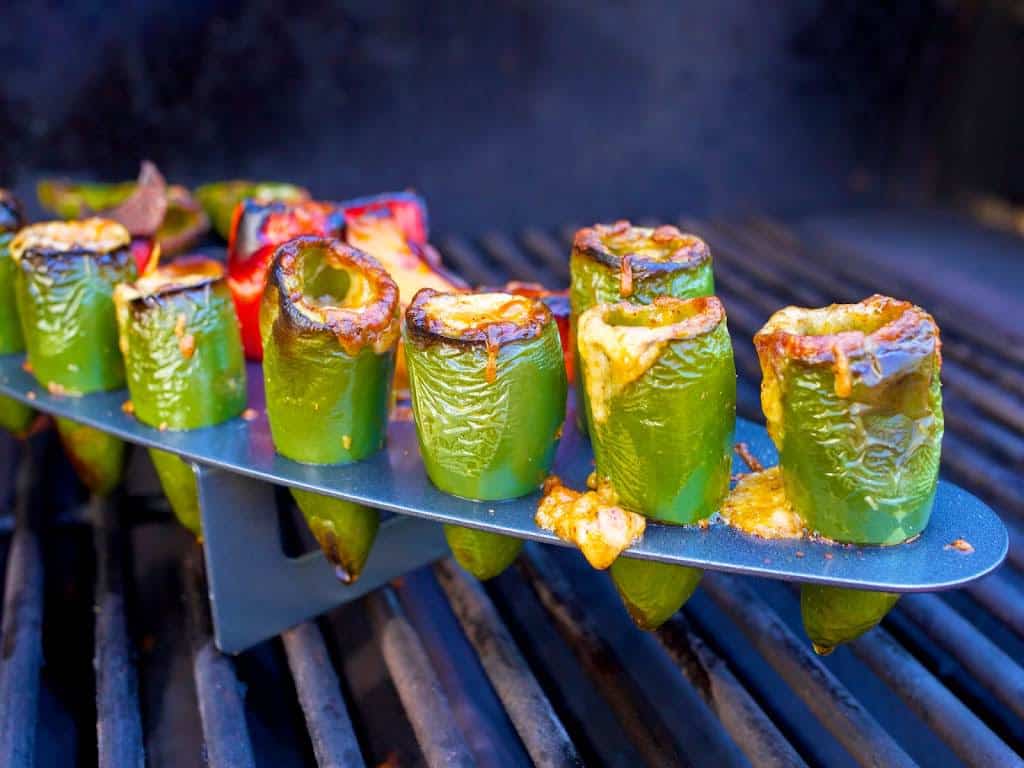
Most jalapeño stuffings are mainly cream cheese. And, not that there's anything wrong with that, but I like stuffing my peppers with regular cheese. (Think mini Chile Rellenos.) The result overflows the peppers, leaving the edges crispy and blackened, and full of molten cheese goodness.

Ingredients

  • 24 jalapeno peppers (or however many your rack holds)
  • 8 ounces shredded cheese (shredded Mexican blend, cheddar, Monterrey jack, or Colby jack are the best options)
  • 1 teaspoon ground ancho pepper
  • 1 teaspoon garlic powder
  • ¼ teaspoon ground cumin

Grilling Stuffed Jalapenos

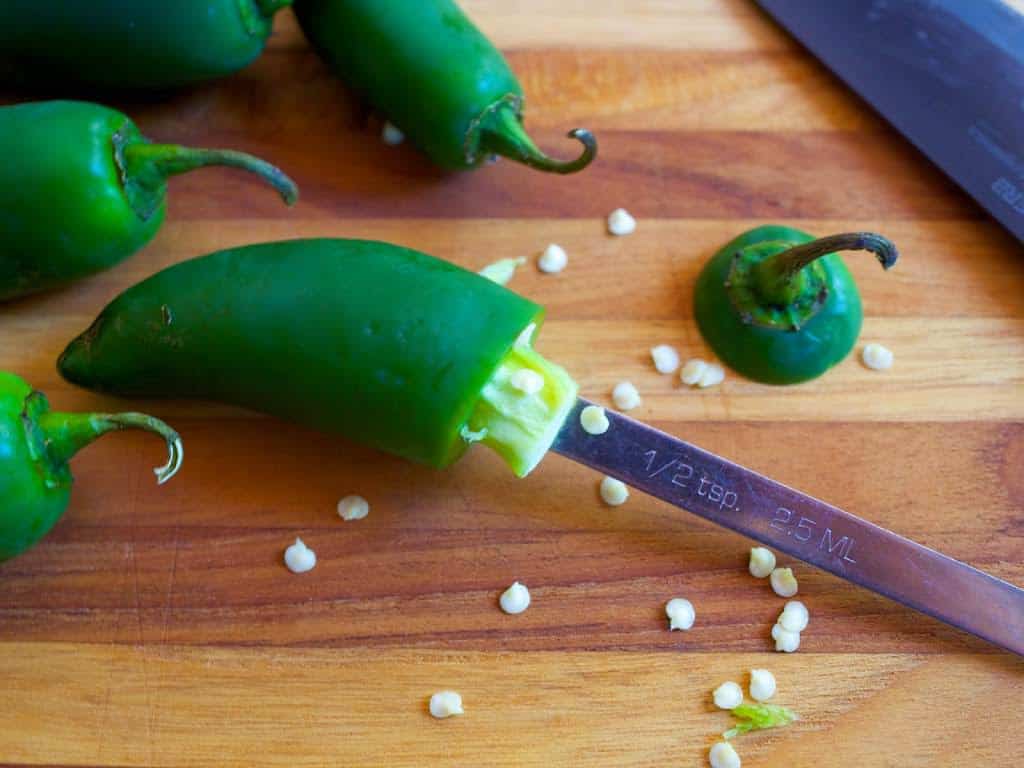
Coring out the jalapeno

Stuff the peppers

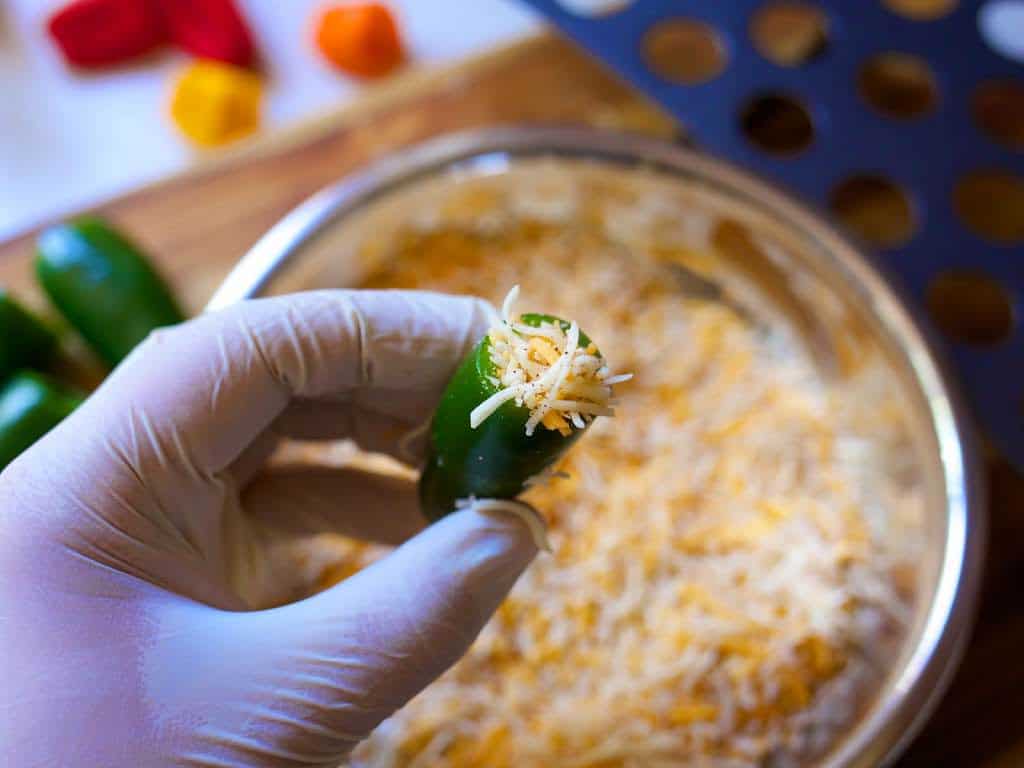
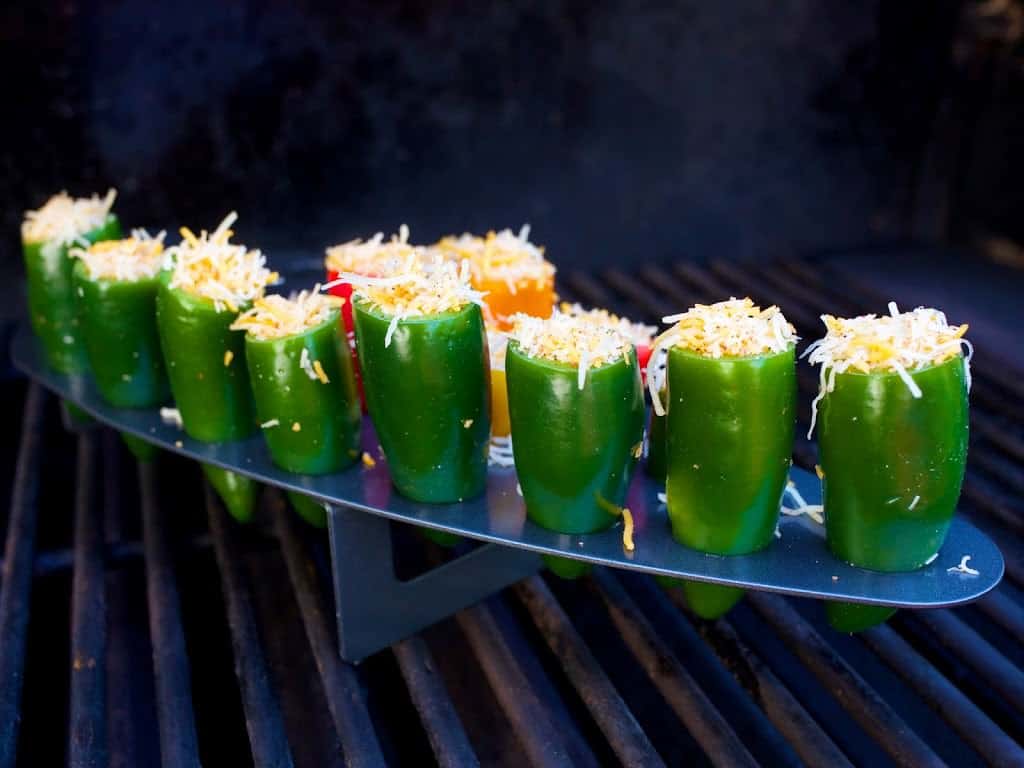
Cut off the stem end of the peppers. Core the peppers, scraping out the seeds and ribs using a small measuring spoon. Toss the cheese, ancho pepper, garlic powder, and cumin in a medium bowl until the spices are evenly distributed. Pack the peppers with cheese, overflowing them slightly, setting each pepper in the pepper rack as you finish it.

Stuffing with cheese

Set the grill up for indirect high heat (450°F)

Set the grill up for a two-zone fire, with one zone set to high heat, and the other with no heat. For my Weber Summit, I preheat the grill with all burners on high for 15 minutes, brush the grill grates clean, then turn off all burners except for burners #1 and #2. On my Weber Kettle, I light a chimney full of coals, wait for them to be covered in gray ash, then pour them over half the charcoal grate.

In the rack and on the grill

Grill-roast the peppers over indirect heat for 20 minutes

Put the rack of peppers on the grill over indirect heat, not directly over the flames. Close the lid and grill until the cheese melts and browns and the peppers soften, about 20 minutes.

Melted and ready to serve (careful, they're hot!)

Remove the rack from the grill

(Be careful and protect your hands! The rack is very hot.) Set the rack on a heat-safe surface and let the stuffed peppers cool for five minutes, then remove them from the rack and serve.

Tips

Gloves for pepper prep

Normally, I don't wear gloves when I'm dealing with hot peppers. I regret that if I forget and rub my eyes or nose later…but, usually, it's not that big a deal. This recipe is an exception. I handle a lot of peppers in this one, cutting, coring, stuffing, and getting my hands all over the pepper. If you're brave (or foolhardy), you can skip the gloves…but I'd recommend wearing a pair of powder-free latex gloves while stuffing.

Rack size matters

Check the size of your peppers against the size of your rack - smaller holes may not hold larger peppers, and smaller peppers will fall through the holes once they've softened in the grill for a while. Get a rack that holds 18 to 24 peppers - most people can only handle two or three of these spicy peppers before they cry uncle; unless you're feeding a huge crowd (or a dedicated group of chili heads), 24 peppers will be more than enough.

No pepper roasting rack? Cook them sideways by making jalapeno boats.

Cut the peppers in half lengthwise and scrape out the seeds and ribs, leaving the stem end on. (Think "little jalapeno canoes".) Fill the pepper halves with cheese, then continue with the recipe, placing the peppers carefully on the grill grate over indirect heat, cheese side up.

Storage

These peppers store for a few days in an airtight container the refrigerator. I don't recommend freezing them. I don't like the texture of the peppers after they've been frozen.

What do you think?

Questions? Other ideas? Leave them in the comments section below.

Related Posts

Plank Grilled Brie with Honey and Thyme
Grilled Avocados with Lemon Vinaigrette
Spicy Jicama Sticks
Stuffed Peppers in the Instant Pot
Grilled Shishito Peppers
My complete Grilling Recipes List

Enjoyed this post? Want to help out DadCooksDinner? Subscribe to DadCooksDinner via email and share this post with your friends. Want to contribute directly? Donate to my Tip Jar, or buy something from Amazon.com through the links on this site. Thank you.

Instant Pot Frozen Pot Roast

September 24, 2024 by Mike Vrobel 6 Comments

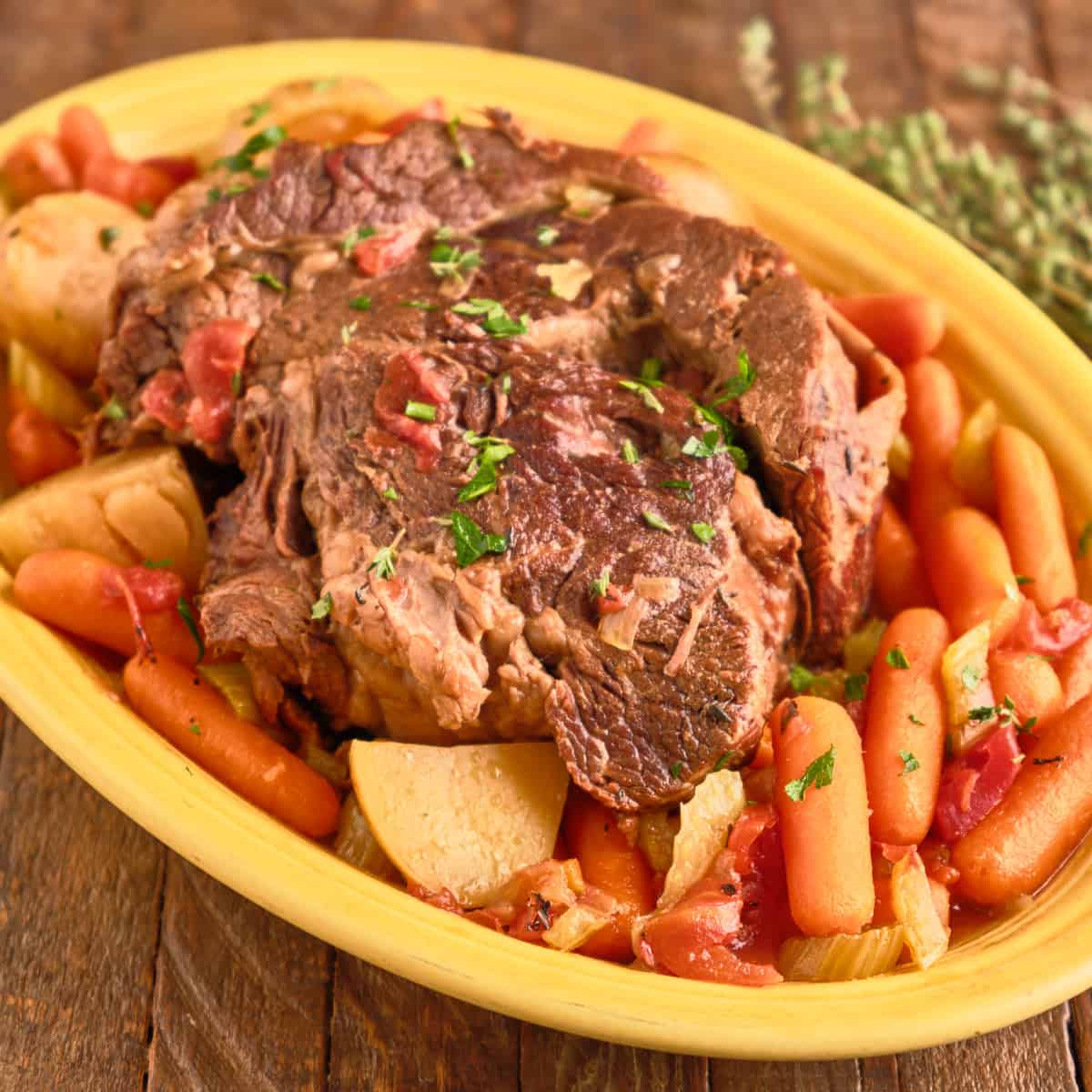
Pot Roast sprinkled with herbs on a platter of potatoes, carrots, and celery

Instant Pot Frozen Pot Roast. Pressure cooking a pot roast from frozen works surprisingly well. Two hours under pressure cooks a beef chuck roast to tender, juicy, shreddable meat.

Pot Roast sprinkled with herbs on a platter of potatoes, carrots, and celery
[feast_advanced_jump_to]

I subscribe to Chris Young's YouTube channel because I love his geeky food science videos. (You can tell he helped write Modernist Cuisine and created the Combustion Predictive Thermometer).

His recent video caught my attention, where he pressure cooks a frozen chuck roast. I have my own favorite pot roast approach, where I cut the roast into smaller roasts to speed up cooking. (See my Instant Pot Beef Pot Roast recipe). He takes the opposite approach - he cooks the whole chuck roast, from frozen, for 2 hours to get it nice and tender. I couldn't believe that would work...but it did. It gave me a fantastic pot roast, directly from frozen, with 2 hours of pressure cooking.

Adapted from: Chris Young Pressure Cooker Frozen Pot Roast Can Cooking from Frozen really be juicier? - Youtube

Ingredients

  • 1 tablespoon vegetable oil
  • 2½ to 3½ pound beef chuck roast, about 3 inches thick
  • 1 large onion, diced
  • 8 ounces sliced mushrooms
  • ½ teaspoon fine sea salt
  • ½ cup dry red wine
  • 1 teaspoon fine sea salt
  • 2 cups beef broth (preferably homemade beef broth)
  • ½ teaspoon salt (if using store-bought broth)
  • 4-6 sprigs fresh thyme (or ½ teaspoon dried thyme)
  • 15-ounce can of crushed tomatoes
  • 1 tablespoon Worcestershire sauce
  • 1 pound Yukon Gold potatoes, cut into 1-inch chunks
  • 3 carrots, peeled and cut into 1-inch chunks
  • 2 celery ribs, sliced into ½-inch rounds
  • Minced parsley for garnish

How to cook a frozen pot roast in an Instant Pot

Brown the frozen chuck roast

Heat the tablespoon of oil in a wide Instant Pot (8 quart or 7 quart wide) set to Sauté mode - high until the oil starts to shimmer, about 5 minutes. (Use medium-high heat in any other wide pressure cooker.) Carefully add the frozen chuck roast to the pot. It's going to splatter when it hits the oil in the pot, so I put a lid on the pot or use my splatter screen over the top. Cook the roast until it is browned on the bottom, about 4 minutes. Flip the roast (again, carefully, due to splattering oil) and brown on the second side for about 4 more minutes. Move the roast to a plate, and pour out all but 1 tablespoon of the oil in the pot. (I also wipe down the outside of my Instant Pot and the counter to clean up any oil droplets.)

Sauté the aromatics and simmer the wine

Put the onions and mushrooms in the pot, sprinkle with ½ teaspoon fine sea salt, and sauté until the onions soften, about 5 minutes, stirring and scraping the bottom of the pot with a flat-edged wooden spoon to loosen any browned bits of beef. Pour in the wine, bring it to a boil, and boil it for 1 minute. (This will cook off some of the alcohol in the wine.)

Roast, broth, tomatoes, and Worcestershire into the pot

Put the browned pot roast into the pot (along with any juices on the plate). Sprinkle the roast on both sides with the salt. Pour in the beef broth (and ½ teaspoon of salt if using homemade broth), sprinkle the thyme sprigs over the roast, drizzle the Worcestershire sauce over the roast, and then pour the can of crushed tomatoes over the top of everything.

Pressure cook the pot roast for 2 hours with a Quick Release

Lock the lid and pressure cook at high pressure for 2 hours in an Instant Pot or other electric pressure cooker, or for 90 minutes in a stovetop pressure cooker. (Use Manual, Pressure Cook, or Pressure Cook - Custom mode in an Instant Pot.) When the pressure cooking time is done, quick release the pressure in the pot.

Pressure cook the root vegetables for 8 minutes with a Quick Release

Unlock the lid of the pressure cooker-tilt it away from you as you open it to avoid the scalding steam. Add the potatoes, carrots, and celery to the pot. Lock the lid and pressure cook at high pressure for another 8 minutes to cook the root vegetables (the same cooking time in an Instant Pot or stovetop PC). When the pressure cooking time is done, quick release the pressure in the pot.

Slice and serve

Unlock the lid of the pressure cooker. Again, tilt it away from you as you open it to avoid the scalding steam. Fish out the thyme stems and discard. Remove the roast from the pot with a spatula and a slotted spoon, and move it to a carving board for slicing. (Be gentle; the roast is fall-apart tender, and let it rest while you get the rest of the vegetables out to firm up for slicing). Scoop the root vegetables out with a slotted spoon and move them to a serving bowl. Pour the pot liquid into a fat separator. Slice the roast into ½-inch thick slices. (Don't worry if some of them shred apart while you're trying to cut - serve them as shredded pot roast.) Transfer the sliced pot roast to a serving platter, surround it with some root vegetables, and drizzle with a healthy amount of the defatted pot liquid. Serve with the rest of the root vegetables on the side, and pass the defatted pot liquid at the table. Enjoy!

Equipment

You need a wide Instant Pot for this recipe. A 3-pound chuck roast is probably going to be too big to fit in a 6-quart pressure cooker because it is narrow and tall. (And the frozen roast will not let you bend or squish it to fit.) I recommend using an 8-quart pressure cooker (or larger) or a wide pressure cooker like the Instant Pot Wide 7-quart cooker.

Tips and Tricks

Cook the potatoes, carrots, and celery for 8 minutes at the end

Vegetables will cook to mush during the 2-hour pressure cook time needed for a frozen pot roast. That's why the recipe adds them in at the end. (It's a trick I've used before in my Instant Pot Corned Beef and Cabbage recipe).

Browning the pot roast is good - but messy

In the original recipe, Mr. Young deep-fried his pot roast to brown it before pressure cooking. I'm not big on deep-frying, so I sauté in a tablespoon of vegetable oil. As I said in the recipe, watch out-frozen food and hot oil mean a lot of splattering oil. Wear an apron, and keep a lid or splatter screen on the pot to keep the mess contained.

You can skip the browning step if you want - the recipe will still work - but browning adds a lot of flavor to the pot roast. (Personally, I always brown the meat.)

Thin roasts

These instructions are for a 3-pound roast, 2 ½ to 3 ½ inches thick. If you have a thin roast, about 2 inches thick, reduce the pot roast cooking time to 90 minutes under pressure.

Substitutions

Other cuts of beef

I am a chuck roast purist when it comes to pot roast. Other cuts of beef don't pot roast as well as chuck roast and tend to dry out in the long cooking time. That said, if you don't have a chuck roast, an "English" shoulder roast or bottom round roast will work with this technique, as long as it is 2 ½ to 3 ½ inches thick and weighs roughly 3 pounds.

Other root vegetables

Instead of potatoes, carrots, and onions, you can branch out with your root vegetables. I'd suggest turnips, parsnips, or sweet potatoes cut into 1-inch chunks. You can also add bell pepper cut into 1-inch squares.

Skip the alcohol

I like having a little wine in my stew; some flavors dissolve better in alcohol. I bring the wine to a boil to simmer out some of the alcohol, but there is still alcohol left in the dish. If you can't drink alcohol or don't want to, skip the wine. Use extra beef broth instead.

Skip the mushrooms

Mushrooms can be a divisive topic at my dinner table. (My wife and I love them, my kids...not so much.) Skip them if you don't like mushrooms.

Worcestershire sauce

I like adding Worcestershire sauce to my pot roasts; it adds a bit of umami depth to the flavors. You can substitute soy sauce or skip it if you don't have Worcestershire sauce.

What to serve with Pot Roast

Pot roast is a one-pot meal; it's got protein (pot roast), vegetables (carrots and celery), and starch (potatoes). I like to serve pot roast with something to soak up the liquid - I like mashed potatoes or dinner rolls. And, more vegetables are good with it, especially something green, like

Instant Pot Green Beans, Instant Pot Collard Greens, or Pressure Cooker Kale.

Related Posts

Instant Pot Oxtail : Easy Braised Recipe
Instant Pot BBQ Braised Short Ribs
Instant Pot Boneless Short Ribs
Instant Pot Sirloin Tip Roast
Pressure Cooker Pork Pot Roast
My other Instant Pot and Pressure Cooker Recipes

Enjoyed this post? Want to help out DadCooksDinner? Subscribe to DadCooksDinner via email and share this post with your friends. Want to contribute directly? Donate to my Tip Jar, or buy something from Amazon.com through the links on this site. Thank you.

Pan Grilled Duck Breast with Duck Fat Paprika Potatoes

September 17, 2024 by Mike Vrobel 3 Comments

Slices of pan grilled duck breast and potatoes on a plate

Pan Grilled Duck Breast with Duck Fat Paprika Potatoes. Use a cast iron pan on your grill to get beautifully seared duck breasts, and then use the leftover fat in the pan for duck fat paprika potatoes as the side.

Slices of pan grilled duck breast and potatoes on a plate
[feast_advanced_jump_to]

The duck breasts used in this post were donated by Maple Leaf Farms. They're good people - If you're looking for duck, seek them out. Phew, now I'm good with the FCC.


I love the idea of duck breasts on the grill. Crisp skin, a hint of smoke, medium-rare duck meat, and luscious duck fat.

The problem is the luscious duck fat - which, when it renders out, causes a surprisingly large grease fire in the grill. (Not that I've ever done that, oh no, not me.)
Chicken has the same problem, especially chicken thighs - lots of fat, lots of flames. I cook chicken with indirect heat to keep the fat away from the flames - which works when I want chicken cooked to 160°F. But I want my duck breast medium-rare, 145°F, with crackling crisp skin. What to do?

(Theoretically, I could make skinless duck breasts…but, ugh, I can't bring myself to do that. Crackling skin is the best part!)

When Maple Leaf Farms invited me to Duck University, I jumped at the chance. Learn about duck? I'm there.

After the cooking class, when Q&A started, I was ready to spring my question…but I was too slow. Before I could say anything, one of my fellow classmates shot her hand up and asked "how do I grill duck breast?"

It turns out that I'm not the only one with flare-up issues. There was a general muttering to the tune of "Yes, that's hard." But someone from Maple Leaf Farms threw out a suggestion - sear the duck breast, skin side down, in a pan in the kitchen to render out most of the fat. Then, move the duck to the grill to finish it.

I wish I remember who suggested this, because the idea was genius. But as a grill fanatic, I thought "Kitchen? I don't need a kitchen. I can do that right on the grill."
It worked like a charm - the duck breasts seared in a grill-safe pan, rendering lots of fat; then they went over the fire for a quick sear. I didn't want the pan full of duck fat to go to waste, so I browned a side dish of duck fat potatoes. I may enjoy the potatoes more than the duck itself. Crackling duck skin or crispy duck fat potatoes? I guess I'll have to keep sampling to figure out which I prefer._ 

Equipment

  • Grill (I love my Weber kettle, but almost any grill will work.)
  • Large, heavy, grill-safe fry pan (I use a Weber Gourmet System Griddle or a cast iron fry pan.)

Ingredients

  • 4 (8-ounce) duck breasts (preferably from Maple Leaf Farms)
  • 2 teaspoons kosher salt
  • ½ teaspoon fresh ground peppercorn blend

Duck fat potatoes

  • 1 ½ pounds russet potatoes, cut into 1-inch cubes
  • ½ teaspoon fine sea salt
  • 1 teaspoon paprika (preferably smoked Spanish paprika)

How to Pan Grill Duck Breast and Duck Fat Paprika Potatoes

Scoring the skin on a duck breast

Score and season the duck breasts

Set the duck breasts on a cutting board, skin side up, and score the skin in a ½ inch diamond pattern. Cut a series of parallel lines, ½ inch apart, through the skin and into the fat, but not into the breast meat. Turn the breast 90 degrees, then cut another series of lines ½ inch apart to make a diamond pattern. Repeat on all the duck breasts. Sprinkle both sides evenly with salt and pepper, and let rest at room temperature while preheating the grill.

Par-cook the potatoes

Toss the potatoes with ½ teaspoon of salt in a medium, microwave-safe bowl. Use your hand to make a hole in the center of the pile of potatoes, pushing them to the outside of the bowl. Seal the bowl with plastic wrap and microwave until the potatoes are just done, 6 minutes in my 900 watt microwave.

Set the grill up for indirect medium-high heat (400°F) and preheat the pan

Set your grill up for indirect medium heat, and preheat the pan over direct heat. On my charcoal grill, I light a chimney full of charcoal (60 coals), wait for it to be mostly covered in gray ash, then pour it into a tight, single layer over half of the grill. I put the grill grate in the grill, brush it clean with my grill brush, and put the grill pan on the grate directly over the coals. Then, I close the lid and heat the grill pan for five minutes.
On a gas grill, I preheat with all burners on high for 15 minutes. Then I clean the grate with my grill brush, turn off half the burners, and turn the other half down to medium-high. I put the grill pan over the lit burners and heat the pan for five minutes with the lid closed.

Duck breast skin side down on a pan on a grill

Brown the duck breasts in the pan

Move the heated pan to the indirect heat side of the grill, and set the duck breasts in the pan, skin side down, pushing down on them to make sure they have good contact with the pan. Close the lid and cook until the fat is rendered around the edges of the skin, the skin is golden brown, and the duck is 135°F measured in the thickest part with an instant read thermometer for medium-rare duck. (About 10 minutes.)

Duck breast on a grill with flareup

Sear the duck breasts on the grill

Move the duck breasts out of the pan and onto the grill over direct heat, starting with the skin side up. (This is not the time to go get a tasty beverage - you need to watch the breasts over open flames, especially when they are skin side down - duck fat will create quite a fire.) Grill the breasts for 2 minutes or until the bottom is starting to brown. Flip the duck skin side down and grill until the dripping fat starts flaring up, 30 seconds to 1 minute. Flip the breasts skin side up again and grill until the bottom is nicely browned, about 2 more minutes. (Move them around on the grill if you are getting uncontrolled flare-ups). Then, flip the duck skin side down again and grill until the fat starts to flare up and the skin is browned, for 30 seconds to 1 minute. Remove the duck to a plate when it reaches 140°F to 145°F internal temperature in the thickest part. Move the duck breasts to a platter.

Pan of potatoes browning on the grill

Brown the potatoes in the duck fat

The pan should have a layer of duck fat in it; carefully slide it over the direct heat part of the grill - you don't want to slosh duck fat onto the open flames. (If you do, slide the pan as far away from the flames as possible and close the lid to smother the fire, then try again.) Pour the par-cooked potatoes into the pan, then arrange them in a single layer with the cut sides down. Cook the potatoes until they are browned and crispy on the bottom for about four minutes, then flip and cook until the second side is browned and crispy for about four more minutes. Remove the potatoes to a bowl with a slotted spoon, letting the excess duck fat drip back into the pan. Sprinkle the potatoes with the teaspoon of smoked Spanish paprika and toss to coat.

Slice and serve

Slice the duck breast crosswise into ½-inch thick slices, serve with the potatoes, and enjoy!

Sliced duck breast

Tips and Tricks

  • Smoking the duck: To add more smoke flavor to the duck, in a charcoal grill, add a cup of soaked smoking wood chips to the coals, preferably a fruit wood, like cherry or apple. In a gas grill, wrap them in an aluminum foil packet and put them directly on the cover of a lit burner. (Or use the smoking box in your gas grill if it has one.)
  • Why par-cook the potatoes? Two reasons. First, it's tough to cook potatoes through in a pan - I wind up with burnt on the outside and crunchy on the inside. Not good. Second, even if I get the potatoes cooked through, it takes a long time to get them completely done - about 20 minutes. Par-cooking avoids both of those problems; the potatoes are already cooked, we're just browning the outside in delicious, delicious duck fat.
  • Make sure your pan has sides:Make sure you have sides on your grill-safe pan to contain the duck fat. This is not the time to break out a flat griddle or plancha. You do not want duck fat dripping over the side of the pan and into the flames. (Not that I've done that, and caused a huge grease fire, oh no, not me…) The Weber Gourmet BBQ Griddle has about an inch high lip, which is the minimum I would use for this recipe.
  • Dry brine the duck: If you have an hour, you can get a quick dry brine. Salt the duck an hour ahead of cooking, and let it sit on the counter to dry brine. If you have even more time than that, you can get the full dry brine experience: salt the duck up to 8 hours ahead and store the duck in the refrigerator.

What do you think?

Questions? Other ideas? Leave them in the comments section below.

Related Posts

Rotisserie Duck with Honey Glaze and Drip Pan New Potatoes
Grilled Butterflied Chicken with Dry Brine
Grilled Japanese Chicken Wings
Pan Grilled Bratwurst and Sauerkraut
Smoked Duck
Enjoyed this post? Want to help out DadCooksDinner? Subscribe to DadCooksDinner via email and share this post with your friends. Want to contribute directly? Donate to my Tip Jar, or buy something from Amazon.com through the links on this site. Thank you.

Grilled Buffalo Chicken Wings

September 12, 2024 by Mike Vrobel 27 Comments

Grilled Buffalo Chicken Wings on a platter

Grilled Buffalo Chicken Wings. Chicken wings on the grill with homemade Buffalo wing sauce. For extra crispy skin, I use the food science trick of dry brining the wings with a mix of kosher salt and baking powder. Then I grill them over indirect high heat for 50 minutes, until the skin is crisp and crackling, and I toss them in wing sauce to finish.

Grilled Buffalo Chicken Wings on a platter
[feast_advanced_jump_to]

Kenji Lopez-Alt is on a roll in his Food Lab series over at Serious Eats. A favorite of mine is his investigation into oven-roasted chicken wings. He wanted to make oven roasted chicken wings that were the same as deep-fried wings, without the mess of deep frying.
His answer, in a nutshell? Dry brine the wings for at least eight hours in the refrigerator, using a mix of salt and baking powder. All three of these things (the refrigerator, salt, and baking powder) help crisp up the skin on the wings. How? By drying the skin out and increasing its alkalinity, you increase its browning. 
(Yes, increasing the alkalinity of a food helps in browning. And yes, I know my wife is the chemist in the family, and will probably want to correct everything I've just said.)

I'd rather grill my chicken wings than bake them, so I used Kenji's approach with my grill roasted wings. These wings come out browned, crispy and delicious. Obsessive food science combined with grilling makes a wonderful combination!

Ingredients

  • 4 pounds chicken wing pieces (wingette and drumette sections)
  • 3 teaspoons diamond crystal kosher salt
  • 3 teaspoons baking powder

Wing Sauce (or use your favorite store-bought buffalo wing sauce)

  • 1 stick of butter, melted (4 ounces)
  • ½ cup Frank's Red Hot sauce (traditional for Buffalo wings)

How to Make Grilled Buffalo Chicken Wings

Chicken wings dry brined with salt and baking powder

Dry brine the wings

Toss the wings with the kosher salt and baking powder in three batches - 1 teaspoon kosher salt, 1 teaspoon baking powder, and ⅓rd of the wings per batch. On a rimmed sheet pan with a rack, spread the wings out so they aren't touching each other. Refrigerate, uncovered, for eight hours to 24 hours before cooking.

Prepare the grill for Indirect High Heat (450°F)

Set your grill up for indirect high-heat cooking. For my Weber Summit gas grill, I preheat the grill for 15 minutes with all the burners turned on; then, I turn off all the burners except for the two outer burners (burners 1 and 6), which I leave on high, with the indirect section in the middle.
For my Weber Kettle charcoal grill, I light a chimney full of charcoal, wait for it to be covered with white ash, then pour the charcoal in two tight piles on each side of the grill, with the indirect section in the middle. (I us charcoal baskets to hold the coals in place, and put an aluminum foil drip pan between the baskets to catch the dripping chicken fat).

Prepare the wing sauce

Melt the butter and whisk in the Frank's Red Hot. (I melt the butter in my pyrex measuring cup in the microwave).

Chicken wings browning on the grill

Grill the wings over indirect high heat for 50 minutes

Put the wings on the grill grate over the unlit section so they are cooking with indirect heat. Cook with the lid closed for 25 minutes. Flip the wings, then cook, lid closed, for another 25 minutes or until the wings are well browned.

Sauce and serve

Move the wings to a large bowl, pour the sauce over them, and toss until the wings are coated with sauce. Let them rest in the sauce for a few minutes, toss them again, then serve.

Tossing grilled wings in buffalo sauce

What to serve with grilled chicken wings

For a traditional chicken wing experience, serve the wings with celery sticks and blue cheese dressing and your tasty beverage of choice. If I'm being a little fancy, I serve a salad with the blue cheese dressing instead of the celery.

Smoked wings

To make the wings even better, smoke the wings while you're grilling them. This works better on a charcoal grill - there's less airflow for the smoke to escape, so the wings are smoked more. On a charcoal grill, soak 1 fist-sized chunk of hickory wood for an hour, then add it to the coals when you are setting up the grill. If you want to smoke on a gas grill, soak 1 cup of wood chips for an hour.  Wrap the chips in an envelope of aluminum foil, poke a couple of holes in the top, and put it over one of the lit burners on your grill. (Or, if you have a smoker box like my Weber Summit does, pour the chips in that box.

Tips and Tricks

  • Hot wing sauce? The equal ratio of butter to hot sauce in the recipe gives you a "medium" heat level for your wings. If you want hot wings, go with ¾ cup Franks, and ¼ cup butter (half a stick). Or, substitute a hotter hot sauce for the Franks Red Hot. (Tabasco is the one I use for "Hot" sauce, or El Yucateco Red habanero if I want really, really hot sauce.)
  • Mild Wing Sauce? If you want milder wings, cut back on the hot sauce. Go with ¼ cup Franks, and ¾ cup butter (a stick and a half).
  •  Dripping chicken fat: Chicken wings drip a lot of fat into your grill, and because of the indirect cooking, it won't burn away…until the next time you preheat your grill. Then you'll have a grease fire on your hands. I recommend making a drip pan out of aluminum foil and putting it under the grill grate over the unlit burners. (Or use a short disposable foil pan). Or, the next time you cook, do an extra ten minutes of preheating so the grease fire has time to die down before you start cooking.
  • No time to dry brine: If you don't have time to dry brine the wings, they won't turn out as crispy - the baking powder really does work. But grilled wings are better than no wings. If you don't have time, skip the dry brine step and the baking powder. Sprinkle the wings evenly with the salt right before you put them on the grill. Everything else in the recipe works the same.

Adapted from:

J. Kenji Lopez-Alt: [The Food Lab: In Search of the Best Oven-Fried Buffalo Wings]
Stephen Raichlen: Buffa-Que Wings [BBQ USA]

Related Posts

Grill Roasted Chicken Wings
Grilled Chicken Wings, Spicy Asian Glazed
Easy Bbq Sauce
Pressure Cooker Asian Zing Chicken Wings (From Frozen)
Instant Pot Chicken Wings
Grilled Chinese Chicken Wings (Chuan'r Chicken Wings)
Grilled Butterflied Chicken with Garlic Butter
Grilled BBQ Chicken Thighs
Grilled Korean BBQ Chicken Wings

Enjoyed this post? Want to help out DadCooksDinner? Subscribe to DadCooksDinner via email and share this post with your friends. Want to contribute directly? Donate to my Tip Jar, or buy something from Amazon.com through the links on this site. Thank you.

Instant Pot Chashu Pork Shoulder (Japanese Braised Pork)

September 10, 2024 by Mike Vrobel 1 Comment

Sliced chashu pork shoulder on a platter

Instant Pot Chashu Pork Shoulder. A Japanese-style pork shoulder roast, pressure cooked with soy sauce, sake, and other flavorings. It's a great topping for ramen or on top of rice in Chashu Don.

Sliced chashu pork shoulder on a platter
[feast_advanced_jump_to]

Chashu (叉焼) means "sliced roast pork" in Japanese and is the Japanese version of China's Char Siu. It is best with fatty pork with a lot of connective tissue, like the pork shoulder I'm using in this recipe. (The other traditional meat is pork belly, which is also great.)

Ingredients

  • 3-pound boneless pork shoulder roast, cut in half (Each piece about 3x4x4 inches)
  • 1 cup soy sauce
  • ½ cup sake
  • ½ cup mirin
  • ½ cup water
  • ¼ cup brown sugar
  • 4 garlic cloves, smashed
  • 2-inch piece of ginger, unpeeled, sliced into ¼-inch rounds
  • 3 green onions, roots trimmed, cut in half (about half a bunch)

How to make Instant Pot Chashu Pork Shoulder

Everything in the pot

Pour the soy sauce, sake, mirin, and water into an Instant Pot or other pressure cooker. Add the brown sugar and stir until the sugar dissolves. Add half the garlic, ginger, and green onions. Put the pieces of shoulder roast in the pot and turn them to coat with the sauce. Scatter the remaining garlic, ginger, and green onions over the top.

Pressure Cook for 50 minutes with a Natural Release

Lock the lid and pressure cook at high pressure for 50 minutes in an Instant Pot or other electric pressure cooker or for 40 minutes in a stovetop pressure cooker. (Use Manual, Pressure Cook, or Pressure Cook-Custom mode set to 50 minutes in an Instant Pot.) Let the pressure come down naturally, about 20 more minutes. (If you're in a hurry, you can quick release any remaining pressure after 15 minutes.)

Rest (optional) and serve

Carefully lift the pork out of the sauce. If you are using it immediately, cut the pork into ½-inch thick slices and serve. If you have the time, rest the pork - it will slice easier. Let the pork cool to room temperature, put it in a zip-top bag, ladle a cup or two of pot sauce over the pork, and seal the bag. Rest the bag in the refrigerator for a few hours to a few days. Then, remove the pork from the bag, slice it into ½-inch thick slices, and serve. If you want to sear the pork, heat a small skillet over medium heat, then sear the pork until just browned on each side, about 2 minutes each.

Substitutions

Different cuts of pork

This recipe works with pork shoulder or belly, both of which are traditional in Chashu. It will not work with pork loin; the loin will overcook in the pressure cooker.

Substitutes for Sake and Mirin

Sake is Japanese rice wine; substitutes are dry sherry, dry vermouth, or dry white wine. Mirin is a sweetened Japanese rice wine; substitutes are sake or dry sherry and a tablespoon of sugar. None of these substitutions are perfect, but they work if you can't find Sake or Mirin.

Scaling up or down

This recipe can be scaled up or down as long as the pork roast can be cut into 3-inch by 3-inch by 4-inch pieces. Scale the rest of the ingredients up or down based on the size of the roast.

Tips and Tricks

Cutting the roast in half before cooking

The trick to this recipe is cutting the larger roast into 2 smaller roasts, each about 3-inch by 3-inch by 4-inch pieces. Breaking up the roast speeds up the pressure cooking time, so the roast is done in under an hour.

Let the pork rest before slicing

I know it smells fantastic coming out of the pressure cooker, but letting the roast cool down helps the roast hold together while slicing. (There's nothing wrong with shredded pork, but I'm looking for a slice of pork shoulder to put on a big bowl of ramen.) Give the roast an hour at room temperature to firm up if you can. Or, even better, rest it for a few hours in the refrigerator. I like to put it in a bag with some of the pot sauce so it can soak up a little more flavor while it rests.

What do I serve with Chashu pork?

My favorite way to use Chashu pork is as an ingredient in other recipes. I'm posting it for use in my Instant Pot Miso Ramen recipe, and I used the extra pork in fried rice. It also makes a good pork roast with Japanese flavor - serve it over steamed white rice as Chashu Don, with a side of vegetables.

Related Posts

Instant Pot Kabocha Miso Soup
Instant Pot Sumo Soup (Chanko Nabe)
Instant Pot Japanese Egg Salad Sandwich (Tamago Sando)
Okonomiyaki Recipe (Japanese Savory Cabbage Pancake)
Instant Pot Japanese Curry
My other Instant Pot and Pressure Cooker Recipes

Enjoyed this post? Want to help out DadCooksDinner? Subscribe to DadCooksDinner via email and share this post with your friends. Want to contribute directly? Donate to my Tip Jar, or buy something from Amazon.com through the links on this site. Thank you.

Smoked Duck

September 3, 2024 by Mike Vrobel 31 Comments

Browned duck on a grill, with coals behind it

Smoked Duck (On a Kettle Grill). Smoking duck in your own back yard is simple, and worth the effort.

A duck, some smoke, salt, and pepper. Doesn't sound like much, but it gives me rich duck meat, a layer of smoky duck fat, and crispy duck skin.

Smoked duck is a revelation - there's a reason tea smoked duck is a Chinese classic. Long, low, and slow cooking melts the layer of fat under the duck skin, leaving just enough fat behind for lip-smacking goodness. (Duck is not what you're looking for if you eat low-fat. And, you have my sympathy - you are missing out.)

A plate of sliced smoked duck breast with a strawberry salad
Smoked Duck (on a Kettle Grill)
[feast_advanced_jump_to]

I'm between smokers right now, so I'm using my Weber kettle grill as a smoker. The trick is the Minion Method, stacking a pile of unlit coals and smoking wood on one side of the grill, then topping it with a few lit coals, and controlling the fire by controlling the oxygen with the grill vents.

If you have a barbecue smoker, use it. There are dozens of different smoker styles, and I assume that you know how to use yours, so I'm not going to give specific instructions for them. They're much more "set it and forget it" than a kettle grill.

The dry brining may seem like extra work - and it is - but it has two big advantages. The time in the refrigerator air dries the skin, helping it crisp up in the grill. The salt has time to penetrate deep into the meat, seasoning the duck all the way through. Take the time to dry brine. You won't regret it. That said, if you don't have the time, rub the duck with the salt and pepper right before it goes on the grill.

Whole duck sprinkled with salt and pepper, in a baking pan on a cutting bvoard, with a second duck still in the packaging next to it

Ingredients

  • 5-pound duck (preferably a Long Island Pekin from my friends at Maple Leaf Farms)
  • 1 tablespoon kosher salt
  • 1 teaspoon fresh ground peppercorn blend
  • 2 fist-sized chunks of apple smoking wood

How to Make Smoked Duck on a Kettle Grill

Dry brine the duck

Unwrap the duck, remove everything from the cavity, and pat dry with paper towels. Trim the neck skin just below the nub of the neck left on the duck. Poke the duck skin all over with a paring knife so the fat can escape. Poke through the skin, but not into the meat - I poke with a very flat angle, so I stay away from the meat. Sprinkle the duck with the salt and pepper, inside and out. Set in a baking dish, and put it in the bottom of the refrigerator, uncovered. Refrigerate at least overnight, preferably 24 to 48 hours.

Kettle grill with coals on one side and charcoal chimney on the other.
Setup for smoking - coals on one side, and a small amount of charcoal in the chimney to start the fire

Set the grill up for indirect low heat (250°F)

Set your grill up for indirect low heat, 250°F, with a drip pan on one side of the grill and the fire as far over on the other side as you can get it. In my kettle grill, I open the bottom vents a crack, with the blades of the ash sweeper covering ¾ of the rectangular holes. I make a tight pile of 80 unlit coals on ⅓rd of the charcoal grate, about three coals deep. (¾ of a charcoal chimney full.) Nestle the smoking wood in the coals. Next, I light 10 coals in my chimney starter; when the coals are lit and covered with gray ash, I pour them on top of the unlit coals. Then, I set the drip pan on the other side of the charcoal grate, add my grill grate, and brush it clean. I put the lid on the grill immediately and set the top vent to half open.

Kettle grill with lit coals on the left and a duck over a drip pan on the right
Ready to smoke - coals on one side of the grill, duck on the other over a drip pan

Grill smoke the duck

Put the duck on the grill grate over the drip pan, breast side up, and close the lid. Adjust the top vent to stabilize the temperature at roughly 250°F; let the temperature settle for fifteen minutes between vent adjustments. Once the temperature settles down, check the grill every hour and tweak the vent if necessary - a little more open for higher heat, a little more closed for lower heat. (The grill temperature is going to move around a lot; 250°F is my target, but I expect it to bounce around between 225°F and 300°F. And, keep the lid closed as much as possible - every time you lift the lid, heat will escape, and the air you let in will cause the coals to heat up.) After an hour and a half, rotate the duck so the other side is facing the fire. The duck is finished cooking when it reaches an internal temperature of 175°F in the deepest part of the thigh, about 3 hours.

Duck on grill with thermometer probe stuck in it, and coals in the background
The duck is done. (According to the probe thermometer - you can see it poking out)

Serve

Remove the duck to a platter and let it rest for ten minutes. Carve and serve. (I cut the breasts and legs away from the body, slice the breasts crosswise into ½-inch thick slices, and serve each diner a sliced breast and a leg.)

Equipment

  • Grill (I love my Weber kettle)
  • Drip pan (9" by 13", and a deeper is better because the duck will release a lot of fat.)
  • Probe Thermometer (Optional, but makes it easy to tell when the duck is done)

Helpful Tips

  • Don't forget the drip pan! Cooking a duck renders a surprising amount of fat. The drip pan is critical to this recipe. 
  • Smoker instead of kettle: If you have a barbecue style smoker, use it instead of the kettle. It will be easier to level out the temperature. Set the temp to 250°F and smoke the duck. I know 250°F is a little higher than traditional barbecue temperatures - we want the higher temp to crisp up the duck skin a little while it smokes.
  • Kettle Temperature Control: If you don't want to buy a smoker, but want better temperature control on your kettle grill, look into electric temperature controllers like the BBQ Guru or the one I use, the Thermoworks Billows. They control the heat in the grill by controlling the airflow. (At their core, the units are a fan and a thermometer, and the fan controls how much air gets into the grill.) The downside to these controllers is you have to drill a hole in your kettle to mount the fan controller. They're not for everyone, but I use mine about once a month in the summer and love it.
  • No time to dry brine: Don't have time to dry brine? Salt and pepper the duck right before putting it on the grill.

Storing Leftovers

Store leftover duck by carving it off of the grill, putting it in sealed containers (I use 2-cup storage containers or zip-top bags), and storing it in the refrigerator for a few days, or freezing it for up to 6 months.
Leftover duck fat! Duck fat is amazing for cooking; use it in place of oil for fantastic sautés. Strain the duck fat through a fine mesh strainer and store it in a sealed container in the refrigerator. It will keep for months.

What do you think?

Questions? Other ideas? Leave them in the comments section below.

Related Posts

  • Rotisserie Duck with Honey Glaze and Drip Pan Potatoes
  • Pan Grilled Duck Breast With Duck Fat Paprika Potatoes
  • Bbq Pulled Pork on a Kettle Grill
  • My other Grilling and Smoking Recipes

Enjoyed this post? Want to help out DadCooksDinner? Subscribe to DadCooksDinner via eMail or RSS reader, recommend DadCooksDinner to your friends, and buy something from Amazon.com through the links on this site. Thank you.

Sweet Hot Mustard

August 29, 2024 by Mike Vrobel 31 Comments

A jar of sweet hot mustard

Sweet Hot Mustard recipe. If you like your mustard sweet and hot, here's how to make it at home, starting with powdered mustard.

A jar of sweet hot mustard
[feast_advanced_jump_to]

The Colman's mustard people were kind enough to send me a sample of their mustard powder. This is some seriously spicy mustard - the jar of prepared mustard made my nose hair stand at attention. I love it.

They also sent a tin of mustard powder. Time to make my son's favorite condiment - sweet hot mustard.
And put him to work making it. The mustard's not going to whisk itself, is it?

After some googling, I found out the recipe was simple - powdered mustard, vinegar, sugar, and eggs.

Eggs in mustard? Visions of salmonella danced through my head. Is there enough vinegar to preserve it? I kept searching, and found that eggs are pasteurized instantly at 160°F. That's also the temperature where eggs thicken, forming a custard. It works out beautifully - when the eggs are hot enough to thicken the mustard, they're also safe to eat.

My next question was, what about storage? How long will this mustard last? Between the vinegar and the mustard powder, bacteria doesn't stand a chance. The mustard will keep for at least a month in the refrigerator, and probably much longer.

This is an easy recipe. Whisk the ingredients, then heat gently until you reach 160°F. Some recipes cook the mustard in the microwave; others use a pot set over very low heat.

There is one tricky part...if the eggs overheat, the custard turns into scrambled eggs. That's not good for mustard.

To be on the safe side, I cook the mustard in an improvised double boiler, using a pot with an inch of simmering water and a metal bowl. This evens out the heat, and as long as I kept whisking, the eggs were never in danger. Make sure the pot is deep enough that the water doesn't touch the bowl - you want a gentle, even heat, not a hot spot where eggs can overcook. And, an instant read thermometer is the best way to temp the eggs - make sure not to overcook them!


Adapted From: Melissa Hamilton and Christopher Hirsheimer, Hirsheimer's Hot & Sweet Mustard

Cooking time: 5 minutes

Equipment

  • 3 clean half-pint jars
  • Pot
  • Large heat-safe bowl (that fits on top of the pot like a lid)
Ingredients for homemade sweet hot mustard

Ingredients for Sweet Hot Mustard

  • 3 large eggs
  • 1 cup sugar
  • 4 ounces mustard powder
  • 1 cup cider vinegar
  • ⅛ teaspoon table salt (a "pinch of salt")

How to Make Sweet Hot Mustard

Whisk the ingredients together

Crack the eggs into a wide heat safe bowl, and whisk until completely yellow. Whisk in the rest of the ingredients, one at a time, until smooth.

Gently cook the mustard

Fill a deep pot with 1 inch of water, bring to a boil, then reduce the heat to maintain a simmer. Set the bowl with the whisked ingredients on top of the pot. Cook, whisking often, until the mustard thickens and reaches a temperature of 160°F, about 5 minutes. The mustard should be thick enough to coat the back of a spoon.

Checking the temp on the mustard

Rest, then refrigerate

Pour the mustard into the half-pint jars. Let the mustard rest at room temperature for an hour, then screw on the lids and refrigerate. The mustard will last for a month or two in the refrigerator.

Helpful Tips

  • This is fiery mustard if you try it right away. It starts with a sweet flavor, followed by a sinus clearing blast of heat. (Have you ever overdosed on wasabi at a sushi place? Yeah, it's like that. Again, I love it.) Resting the mustard for an hour before refrigerating will tame that heat somewhat; if you want it milder, let it rest for two hours before refrigerating.
  • If you are worried about salmonella, or cooking for someone with lowered immunity, use pasteurized eggs instead of raw eggs. (I can find pasteurized eggs easily now at my local grocery store)
  • The improvised double boiler is the key to this recipe - make sure you have a pot and a heat-safe bowl that will sit over the top of it.
  • This makes a sweet (and hot!) gift for friends and family. Just remind them to keep it refrigerated.

What to eat with Sweet Hot Mustard

It's a fantastic condiment, and I like it on ham, or with brats or sausages.

What do you think? Questions? Other ideas? Leave them in the comments section below.

Related Posts

Homemade Honey Mustard
Grilled Salmon with Mustard Barbecue Sauce
Instant Pot German Pot Roast with Mustard (Senfbraten)
Instant Pot Mustard Potato Salad
Grilled Asparagus with Whole Grain Mustard Vinaigrette
Cajun Rub Recipe

*Enjoyed this post? Want to help out DadCooksDinner? Subscribe to DadCooksDinner using the RSS or Email options on the right, link to this post from your blog, recommend DadCooksDinner to your friends, or buy something from Amazon.com through the links on this site. Thank you.

Grilled Boneless Chicken Thighs

August 27, 2024 by Mike Vrobel 1 Comment

Grilling Boneless chicken thighs

Grilled Boneless Chicken Thighs recipe. Tender, juicy, and full of flavor, dark meat chicken thighs are fantastic. These grilled boneless and skinless thighs are cooked in about 12 minutes, and much better than bland chicken breast.

Grilling Boneless chicken thighs
[feast_advanced_jump_to]

Come over to the dark side of the chicken. We have flavor!

I know boneless, skinless chicken breasts are popular. But they tend to cook up dry, especially if they are overcooked even a little bit. Chicken thighs don't have that problem. Dark meat stays juicy when it is overcooked, and has more flavor to boot. I (almost) always buy chicken thighs when it's time to grill.

Ingredients for grilled boneless skinless chicken thighs

Ingredients

  • 8 boneless skinless chicken thighs (about 2 to 3 pounds)
  • ½ teaspoon garlic powder
  • ½ cup soy sauce
  • 3 ounces pineapple juice (Half of a small can of juice, or a little over ⅓ of a cup)

How to Grill Boneless Chicken Thighs

Boneless chicken thighs marinating in a zip-top bag

Marinate the chicken

Sprinkle the chicken with the garlic powder. Put the chicken in a gallon zip-top bag and pour in the soy sauce and pineapple juice. Seal the zip-top most of the way closed, squeeze out as much air as you can (be careful not to squeeze out the marinade), and seal the bag closed. Put the bag in a baking pan in case of leaks, and put the baking pan in the refrigerator. Marinate in the refrigerator for 30 minutes to 2 hours, flipping the bag every 30 minutes to redistribute the marinade. (Don't go over 2 hours or the pineapple will start to make the chicken mushy.)

Set up the grill for direct medium heat (350°F)

Set the grill up for cooking at direct medium heat, about 350°F. On my Weber Summit gas grill, I preheat with all the burners on high for 10 to 15 minutes, brush the grill grates clean, then turn the burners down to medium. For my Weber kettle charcoal grill, I light a chimney ¾ full of charcoal, wait for it to be covered with ash, then spread it in a loose single layer over half the grill grate.

Checking internal temp of chicken thighs

Grill the chicken

Take the chicken out of the marinade and let any excess marinade drip off. Put the chicken, smooth side down, on the grill over direct heat. Grill the chicken in a 3-3-3-3 pattern: grill for 3 minutes (lid closed if using a gas grill), then flip everything. Grill it for another 3 minutes, then flip everything, turning it 90 degrees while flipping so it gets a crosshatch of grill marks. Grill for another 3 minutes, then flip everything one last time. Grill for the final 3 minutes, or until the chicken is at least 160°F internal temperature in its thickest part, measured with an instant-read thermometer. (Chicken thighs can be higher - they are tough to overcook - they are good up to 190°F.)

Serve and enjoy

Serve the chicken whole, or slice crosswise into ½-inch thick strips. Enjoy!

A platter of grilled boneless chicken thighs

Marinating with pineapple

Pineapple contains a natural meat tenderizer, the enzyme Bromelain. This means pineapple juice works really well in marinades. But, it also means you can over-marinate with pineapple, and the meat will start to get mushy. Do not marinate with pineapple for more than 4 hours.

How do I use grilled chicken thighs?

I usually serve grilled chicken thighs as cutlets, with everyone getting a thigh or two, depending on how hearty of eaters they are. Or, I slice them into thin strips and use them in tacos, chicken fajitas, or chicken sandwiches. Use them in any place you would use boneless, skinless chicken breasts.

What can I do with leftover grilled chicken thighs?

Leftover boneless skinless chicken thighs are fantastic. I cut them into thin, bite-sized strips and freeze them in zip-top plastic bags (or 2-cup storage containers). Then, when I need chicken for a salad, taco night, or anything else, I can pull a bag out of the freezer and microwave it to thaw. Frozen cooked chicken thighs will last for a few months in the freezer.

Substitutions and variations

  • Other fruit juices: Can't find pineapple juice? Apple juice is a good substitute, though it doesn't have the tenderizing properties of pineapple juice.
  • Spice rub chicken: Skip the marinade and sprinkle the chicken with a spice rub. Use your favorite store-bought spice rub, or try my simple paprika rub: 1 tablespoon paprika (preferably smoked Spanish paprika), 1 tablespoon kosher salt (or 2 teaspoons fine sea salt), and 1 tablespoon garlic powder.
  • Chicken breast: Don't want to come over to the dark side? You can use this recipe for chicken breasts, too. They should cook in the same amount of time, as long as they aren't extra large chicken breasts. (I've seen some monsters recently at the grocery store.) Cook the breasts as described, and they are done when they reach 160°F internal in the thickest part - get them off the grill as quickly as you can after that temp.

Tips and Tricks

How do I keep the chicken from sticking to the grill?

Preheat the grill and brush it clean with a grill brush. If the grate is hot enough, the chicken will release from the grate when it's cooked. Two extra steps will help if your chicken tends to stick, even with a preheated grill: oil the grates and wiggle the chicken. To oil the grates, after cleaning them with a grill brush, grab a folded paper towel with some tongs, dip it in vegetable oil, then brush it over the grill grate. To wiggle the chicken: when you first put each piece on the grill, give it a little wiggle - back and forth on the grate - and it will come off easier when it is time to flip.

How can I tell if the chicken is done without a thermometer?

I use the poke test. I poke the thickest part of the chicken with a finger (yes, it's hot). If it feels flabby on the inside, then it's not done cooking yet. If it feels springy and bounces back when I push, it is done. That said, chicken thighs are almost impossible to overcook; the only thing you have to watch out for is burning. If you don't think they're done yet, keep on cooking.

Can I marinate the chicken overnight?

Not with pineapple juice, it will turn the chicken into mush. (See the Marinating with Pineapple section). If you need to marinate overnight, replace the pineapple juice with apple juice.

Can I reuse this marinade?

No. Reusing marinade from raw chicken is a Bad Idea. Don't do it.

Can I use this marinade for other types of meat or vegetables?

Yes! It works great with thin steaks (I originally learned it as a skirt steak or flank steak marinade), chicken breasts, and pork chops.

What side dishes go well with Grilled Chicken Thighs

Lots of things! Since I already have the grill lit up, I'll use it to cook up a vegetable side, like Grilled Peppers and Onions, Grilled Pineapple, or Grilled Corn In The Husk. (And Grilled Baby Potatoes In Foil if I need a starch. If I'm feeling Tex-Mex, then I slice them into strips and make chicken tacos, serving them with taco toppings, tortillas, and Pinto Beans or Refried Beans. Or I think of Japanese grilling and serve them with white rice and Grilled Shishito Peppers.

Related Posts

Grilled Butterflied Chicken with Garlic Butter
Grilled Boneless Chicken Breasts with Citrus Marinade
Rotisserie Grilling: Barbecued Chicken
Grilled BBQ Chicken Thighs
Instant Pot Chicken Cacciatore
My other Grilling Recipes Index

Enjoyed this post? Want to help out DadCooksDinner? Subscribe to DadCooksDinner via email and share this post with your friends. Want to contribute directly? Donate to my Tip Jar, or buy something from Amazon.com through the links on this site. Thank you.

Instant Pot Kofta Meatballs

August 20, 2024 by Mike Vrobel 1 Comment

A bowl of Instant Pot Kofta Meatballs with hummus and pita in the background

Instant Pot Kofta Meatballs Pressure cooking is a quick way to get tender meatballs, and these Kofta meatballs have a fantastic flavor profile from the Middle East. Mix the meatballs and pressure cook for 15 minutes with a natural release, and you have a great side dish or dinner.

A bowl of Instant Pot Kofta Meatballs with hummus and pita in the background
[feast_advanced_jump_to]

This recipe was a challenge from reader Sigrid. When I updated my Grilled Kofta Kebab recipe a few weeks ago, they asked, "Can I do this in my Instant Pot"? Yes, you can!

What is Kofta

Kofta is a mix of ground meat and spices, usually formed into a meatball or meatloaf. It is widely popular - from the shores of the Eastern Mediterranean, through the Middle East, to the coast of the Indian Ocean, there are many different varieties of Kofta. My recipe is inspired by the Kofta from my local Lebanese restaurants.

Ingredients

  • 1.5 pounds 80/20 ground beef
  • 1 small onion, grated or finely minced
  • 2 large cloves garlic, minced
  • 1.5 teaspoons fine sea salt (or 2 teaspoons kosher salt)
  • 1 teaspoon fresh ground black pepper
  • 1 teaspoon paprika
  • ½ teaspoon red pepper flakes (optional)
  • ½ teaspoon ground coriander
  • ½ teaspoon ground cumin
  • ¼ teaspoon ground cinnamon
  • ¾ teaspoon baking soda (optional)
  • 1 packet (about 2 ½ teaspoons) unflavored gelatin (optional)
  • 1 cup water (or beef broth or chicken broth)

How to make Instant Pot Kofta

Meatballs, shaped and ready to cook

Shape the meatballs

Put the ground beef in a large bowl. Sprinkle the grated onion, garlic, sea salt, ground pepper, paprika, red pepper flakes, coriander, cumin, cinnamon, and (optional) baking soda and (optional) gelatin over the meat. Work the ingredients into the beef. Once everything is evenly mixed, form the beef mix into 12 golf-ball-sized meatballs, each about 2 inches in diameter.

Meatballs in the pot

Add the meatballs to the pot, trying for a single layer. (I occasionally end up with one that has to sit on top of the others.) Pour the water (or broth) over the meatballs.

Meatballs in the Instant Pot in a single layer, ready to cook

Pressure Cook for 15 minutes with a Natural Release

Lock the lid and pressure cook at high pressure for 15 minutes (Use "Manual" or "Pressure Cook" mode in an Instant Pot) or for 13 minutes if using a stovetop pressure cooker. Let the pressure come down naturally, about 20 minutes. (If you're in a hurry, let the pressure come down for 15 minutes, then quick release any remaining pressure.)

Serve

Scoop the meatballs out of the pot with a slotted spoon. Serve and enjoy!

Substitutions

  • Lamb and Beef: I usually make beef meatballs because beef is easy to find at my local grocery store. But ground lamb is also great in this recipe, or have the best of both with a 50/50 mix of ground beef and lamb.
  • Lean beef: The leaner the beef, the dryer the meatballs; that's why I recommend the 80/20 beef in the recipe. That said, you can use leaner beef, and the meatballs will still be good, especially if you include the optional gelatin in the recipe.
  • Other meat: You could make these meatballs with almost any ground meat; ground turkey will also work, as would ground pork - but pork would not be used in the Middle Eastern version of this recipe for religious reasons.

Why add baking soda to meatballs?

Adding baking soda to meatballs helps them brown, especially in a pressure cooker recipe like this. The geeky food science explanation is that baking soda increases the meat's pH, lowering the browning temperature. So, you get browned meatballs out of the pressure cooker without the pesky browning step. You can skip the baking soda, and you'll still get great meatballs.

Why add gelatin to meatballs?

This is a trick I learned from Kenji Alt: If you add a packet of unflavored gelatin to meatballs, they become even moister and juicy. You can skip this if you want, and the meatballs will still be fantastic, but they are even juicier with the added gelatin.

Shaping Kofta meatballs

A quick way to shape meatballs is with a cookie scoop. My large cookie scoop makes 2-inch diameter meatballs, the size I want for this recipe.

What to serve with Kofta Meatballs

I love a mezze platter at my local Lebanese restaurant, so I try to duplicate that here. I'll serve these meatballs with hummus, pita bread, a Mediterranean salad, or tabbouleh. You can also make shawarma by wrapping these meatballs in pita bread with your favorite ingredients.

Storing Kofta meatballs

If you want to make the meatballs ahead and freeze them, they still come out great; just add 5 minutes to the pressure cooking time-20 minutes at high pressure. I usually make a double batch and freeze the second batch for later.

Leftover cooked meatballs can be stored in an airtight container for a few days or frozen for a few months, and they taste great even after reheating.

Related Posts

Instant Pot Meatballs
Instant Pot Greek Meatballs with Tomato Sauce (Soutzoukakia)
Instant Pot Spanish Meatballs (Albondigas) with Tomato Sauce
Instant Pot BBQ Meatballs
Instant Pot Meatball Soup (With Homemade or Frozen Meatballs)
My other Instant Pot and Pressure Cooker Recipes

Enjoyed this post? Want to help out DadCooksDinner? Subscribe to DadCooksDinner via email and share this post with your friends. Want to contribute directly? Donate to my Tip Jar, or buy something from Amazon.com through the links on this site. Thank you.

Grilled New York Strip Steaks

August 13, 2024 by Mike Vrobel 3 Comments

Grilled New York Strip Steak with probe thermometer

Grilled New York Strip Steaks. Thick-cut strip steaks, cooked sear and move style, are a quick and easy way to get a beautifully browned crust with a fantastic medium-rare interior. Sear the steak over direct heat, then move it off the heat, close the lid, and let it cook until it reaches 125°F internal temperature. That's it - a great steak.

Grilled New York Strip Steak with probe thermometer
[feast_advanced_jump_to]

Sear and move is old-school grilling. When I started grilling, it was the first trick cookbooks mentioned-sear the steak over direct heat, then move it to an indirect heat part of the grill so it cooks through without burning. It's a great way to make a steak.

But, as I said in my Reverse Sear vs. Sear and Move showdown, most grilling cookbooks nowadays lean towards reverse searing. I agree that you get better edge-to-edge pink with a reverse sear, but they're really close, and there are a couple of cases where sear and move has the advantage.

The first is when I'm in a hurry, like on a weeknight. Sear and move is quicker; it can take up to half the time of a reverse sear.

The other exception is cooking for a crowd, especially when they want a range of doneness, from Rare to  Medium-well. That's much easier to do with sear and move. I sear all the steaks, move them to indirect heat, put my probe thermometer in the one I want the least done, and close the lid. Then I pull the steaks off the grill as my target temperatures pass, so I can give Grandma that blood-red rare steak she wants, pull mine at medium-rare, and give Grandpa that (ugh) medium-well steak he insists is the way he wants it. (What can I say? I love Grandpa.)

So, are you ready for an old-school beef experience? Grab some thick-cut New York Strip steaks, and let's get grilling.

New York strip steaks, salted early

Ingredient Notes

I keep my seasonings simple - I want salt, pepper, and a little garlic. If you're into more seasoning, check out my Grilled Ribeye Teriyaki Steaks, Grilled T-Bone Steaks with Olive Oil, Lemon, Garlic, and Rosemary Marinade, or Grilled Ribeye Delmonico Steaks with Tex-Mex Rub. I love all those steaks, but this simple, straightforward steak is still my favorite.

  • 2 thick-cut New York Strip steaks (2 inches thick, about 12 ounces per steak)
  • 2 teaspoons kosher salt
  • 1 teaspoon fresh ground black pepper
  • ½ teaspoon garlic powder

Grilling NY Strip Steak

Season the steaks

One hour before cooking, generously sprinkle the steaks with salt, pepper, and garlic powder. Let the steaks rest at room temperature until cooking. (If you don't have the time to salt ahead, that's OK-salt them right before putting them on the grill.)

Indirect high heat - coals on one side of the grill

Set the grill for indirect high heat (450°F or higher)…

Set the grill up for indirect high heat, with half the grill on direct high heat and the other half on no heat.

…Charcoal Grill Setup for indirect high heat…

On my Weber kettle, I light a full chimney starter of charcoal, wait for it to be mostly covered with gray ash, and then pour it in a tight pile over half the grill, two to three coals deep. (Or, I pour it into my charcoal baskets and arrange them as shown in the picture.) Then, I put the grate on the grill and brush it clean.

…Or Gas Grill Setup for indirect high heat…

On my Weber Summit gas grill, I preheat the grill for 15 minutes with all burners set to high. Then, I leave two burners set to high, turn all of the other burners off, and brush the grill grate clean.

Sear the steaks

Put the steaks on the grill directly over the coals or lit burners. Sear the steaks, flipping every two minutes, until they are browned and crusty on both sides, about 8 minutes. (If you are cooking on a gas grill, keep the lid closed as much as possible and rotate the steaks 90 degrees when you flip them the second time to get diamond grill marks. This doesn't matter as much with charcoal-charcoal will evenly brown the steaks regardless of the grate direction.)

Reverse Sear vs Sear and Move on the grill

Move the steaks and finish with the lid closed

Move the steaks to the indirect heat side of the grill, away from the fire. (On a charcoal grill, the side without coals; on a gas grill, over unlit burners). Close the lid and cook the steaks until they reach an internal temperature of 125°F for medium-rare, about 10 minutes. (For Rare, cook to 115°F internally, about 7 minutes; for Medium, cook to 135°F, about 13 minutes.)

Checking the resting temperature of my steaks - 135 is exactly medium-rare

Serve

Remove the steaks from the grill, let them rest for five minutes, then serve and enjoy!

Equipment - A probe thermometer

My key piece of equipment is an instant-read thermometer with a probe on a wire. The probe thermometer stays in the steak, and the unit stays outside the grill. There is no need to open the lid-I set the alarm, and it tells me when the steak is exactly where I want it. 125°F for medium rare, thank you very much.

If all you have is an instant-read thermometer without a remote probe, check the steak every three minutes. This will extend the cooking time a bit-every time you open the grill lid, you'll lose some heat-but not by much. I assume I'll need an extra five minutes if I'm opening the lid a lot, but as always, go by the temperature, not the time.

Recipe Tips

  • A thick-cut New York Strip is a lot of beef. I cut each steak crosswise into two serving pieces unless I'm serving the heartiest of eaters.
  • Want to cook other steaks? This recipe is a good basic technique for any cut of beef, especially thick-cut steaks. Here I am cooking NY strip steak, but it also works with ribeyes, tenderloin, top sirloin, t-bones, or porterhouse steaks.

Thanks again to Certified Angus Beef for providing these gorgeous New York Strip steaks and inspiring this post.


What do you think?

Questions? Other ideas? Leave them in the comments section below.

Related Posts

The Best Grilled Steak: Reverse Sear or Sear and Move?
Grilled Thick Cut New York Strip Steaks, Reverse Sear Style
Cedar Plank Grilled Ribeye with Peppers and Onions
Grilled Tomahawk Steak - Long Bone Ribeye, Reverse Seared
Sous Vide Porterhouse Steak

My complete grilling recipes list

Enjoyed this post? Want to help out DadCooksDinner? Subscribe to DadCooksDinner via eMail or RSS reader, recommend DadCooksDinner to your friends, and buy something from Amazon.com through the links on this site. Thank you.

Instant Pot Sirloin Steak

August 6, 2024 by Mike Vrobel 7 Comments

Instant Pot Sirloin Steak

Instant Pot Sirloin Steak: This is a quick beef dish with sirloin steak sliced thin and pressure-cooked to fall-apart tenderness. I like to cook it with mushrooms and serve it with the pot sauce as a simple gravy.

Instant Pot Sirloin Steak
[feast_advanced_jump_to]

Many readers asked me about cooking sirloin steak in their pressure cooker. (A couple of people "many", right?) I had some resistance to making this recipe. In my head, sirloin steak is grilled or seared and cooked to medium-rare. It's not something you pressure cook. But after some googling, I saw a bunch of braised sirloin steak recipes where you cook the sirloin past well done to fall-apart tender. And after testing, it worked great! Sirloin has enough connective tissue that it doesn't have the "tenderloin problem"; sirloin says juicy after it is cooked to well done, where tenderloin just becomes dry and crumbly.

Even better, my family asked me to make this recipe again - if instant pot sirloin steak gets their vote of confidence, how can I stand in its way?

Ingredients for Instant Pot Sirloin Steak

Ingredients

  • 1 tablespoon vegetable oil
  • 2- to 3 pounds sirloin steak, cut into ½-inch thick strips, 2- to 4-inches long
  • 1 ½ teaspoons fine sea salt
  • ½ teaspoon fresh ground black pepper
  • ½ teaspoon garlic powder
  • 1 tablespoon vegetable oil
  • 8 ounces sliced mushrooms (optional)
  • ½ teaspoon fine sea salt
  • 1 cup beef broth (preferably homemade beef broth, or just use water)
  • ¼ cup soy sauce
  • ¼ cup pineapple juice

Corn Starch Slurry (optional)

  • ¼ cup water
  • 2 tablespoons corn starch

Garnish (optional)

  • Minced green onions for garnish (or minced parsley)

How to make Instant Pot Sirloin Steak

A browned slice of sirloin steak

Sear the beef in 2 batches

Heat 1 tablespoon vegetable oil in an Instant Pot set to Sauté mode, adjusted to high, until the oil shimmers. (Use medium-high heat with a stovetop PC). While the pot heats, sprinkle the beef strips with 1½ teaspoons of salt, the black pepper, and the garlic powder. Add ½ of the beef to the pot in a loose single layer and sear until well browned on one side, about 3 minutes. (Don't crowd the pot, or the beef will steam, not brown). Transfer the browned beef to a bowl, add the remaining half of the beef to the pot, and sear until browned on one side, another 3 minutes. Again, transfer the browned beef to the bowl.

A browned mushroom

Sauté the mushrooms (optional)

Add the remaining 1 tablespoon of vegetable oil and the mushrooms to the pot, and sprinkle with ½ teaspoons of salt. Sauté until the mushrooms start to brown a little, about 5 minutes, occasionally scraping the bottom of the pot with a flat-edged wooden spoon to loosen any browned bits of beef or mushroom.

All the ingredients for Instant Pot Sirloin Steak in the pot

Everything into the pot

Pour in the beef broth (or water) and scrape the bottom of the pot with a flat-edged wooden spoon to loosen any browned bits stuck to the bottom. Add the soy sauce and pineapple juice. Add the beef (and any beef juices in the bowl) to the pot. Stir to coat the beef with the broth, soy, and pineapple.

Instant Pot set to Pressure cook on high pressure for 15 minutes

Pressure cook for 15 minutes with a natural release

Lock the lid on the pressure cooker. Cook at high pressure for 15 minutes in an electric pressure cooker (use "Manual" or "Pressure Cook" or "Pressure Cook-Custom" mode in an Instant Pot) or for 12 minutes in a stovetop PC. Let the pressure come down naturally, about 20 more minutes. (If you're in a hurry, you can quick-release any remaining pressure after 15 minutes.) Remove the lid, tilting it away to avoid the hot steam.

Corn starch slurry for Instant Pot Sirloin Steak

Thicken with cornstarch (optional)

Whisk the water and cornstarch together to make a cornstarch slurry, and then stir the slurry into the stew.

Serve and enjoy!

Scoop the beef and mushrooms onto a platter with a slotted spoon, and ladle a healthy amount of the sauce left in the pot over the beef. Sprinkle with minced green onions (optional) and serve, passing the rest of the pot liquid as a sauce at the table. Enjoy!

Substitutions

  • Different kinds of beef: Any kind of sirloin steak will work with this recipe - sirloin tip, top sirloin, or bottom sirloin. It will also work well with chuck blade steaks, flat iron steaks, or any other steak cut from the chuck. Or, if you want, you can use round steak - it's not my favorite cut, but top round or bottom round steaks will work. I would not recommend using a "good" steak cut for this, like a New York strip, ribeye, or (god forbid) a beef tenderloin. They are too lean for this cooking method.
  • Soy Sauce Substitutions: You can skip the soy sauce or substitute Worcestershire sauce. I sometimes make this recipe with a 50/50 mix of soy and Worcestershire.
  • **Different fruit juices: ** Pineapple juice contains an enzyme that helps tenderize meat, so it is a favorite of mine when I'm cooking beef. (That and I like the flavor.) But any fruit juice will work here; I'd recommend apple or pear juice as my next two favorite substitutes.
  • Mushrooms: I use basic white mushrooms. Baby portobello mushrooms and fresh shiitake mushrooms (with stems removed) would also work.

Equipment

  • A 6-quart pressure cooker
  • A flat edged wooden spoon

Scaling

This recipe doubles easily in a 6-quart pressure cooker. Cut all the ingredients in half, and it will fit in a 3-quart pressure cooker. The cooking time does not change; it takes the same time to cook a single piece of steak, no matter how many you have in the pot.

Storage

Leftovers will last in the refrigerator for a few days (I use them to make tacos later in the week) or freeze for up to six months. I freeze them in a quart snap-top container. Or, I seal the steak and liquid in a gallon zip-top bag, squeeze out all the air, and lay it flat on a baking sheet in the freezer so it freezes in an easy-to-handle flat pack shape.

What to Serve with Instant Pot Sirloin Steak

As I said above, this recipe is a steak braise, so it goes well with a starchy side that can soak up the sauce. Mashed potatoes are my favorite, followed by rice (or brown rice), or buttered noodles. I also like to serve it with green vegetables, like green beans or kale. (Cannellini beans and greens are also a great side dish with this recipe.) And, of course, serve it with a loaf of crusty bread to dip in the sauce. This recipe makes a great filling for beef sandwiches, too.

Related Posts

Instant Pot Beef Tips (Pressure Cooker Beef Tips)
Instant Pot Shredded Beef
Instant Pot Sirloin Tip Roast
Instant Pot Chuck Steak with Beer and Onions
My other Instant Pot and Pressure Cooker Recipes

Enjoyed this post? Want to help out DadCooksDinner? Subscribe to DadCooksDinner via email and share this post with your friends. Want to contribute directly? Donate to my Tip Jar, or buy something from Amazon.com through the links on this site. Thank you.

Kofta Kebab

July 30, 2024 by Mike Vrobel 11 Comments

Kofta Kebab on a platter

Kofta Kebab recipe. The classic Eastern Mediterranean kebab of ground meat and spices on a skewer, grilled and delicious.

Kofta Kebab on a platter
[feast_advanced_jump_to]

The other day, I was a little harsh about my oldest in that New York Times interview. It's true that a few years ago, he was all carbs all the time, but he has branched out. Kofta Kebabs are his new favorite food; he asks me to make them about once a week.

What is a Kofta Kebab

Kofta is ground meat mixed with onion and spices, popular across Eastern Europe, the Middle East, and Asia. The Kebab version is popular in the Eastern Mediterranean, especially in Turkey, where kofta is wrapped around a long skewer and grilled. Who doesn't love the idea of Meatloaf on a stick?

Kofta Kebab won't stick to the skewer

This was a tough recipe to get right. I loved the taste, and everything worked fine if I made hamburger-style patties. But I wanted to cook them on kebabs-it felt more authentic, and there's something about food on a skewer that makes it taste better.
Use fresh ground meat, not frozen: The ground meat mix wouldn't hold together during my first try. I think it was the frozen ground lamb I bought at the farmer's market. After thawing out, it was always kind of wet. I couldn't get the resulting kebabs to stick. The moment I let go, they would drop off the skewer onto the counter. I'd re-form them as hamburgers, and they would hold together just enough for cooking. I switched to fresh ground lamb, and the recipe started to work. It also helps to have extra wide skewers, like these ⅜-inch wide skewers from Steven Raichlen.
Or, skip the skewers and make patties: That said, getting the meat to stick on the skewers is a little tricky. I won't judge you if you take the easy way out and form the kofta into hamburger patties. I do it when I'm in a hurry and tell the kids they are pita burgers. 

Adapted From: Steven Raichlen Planet Barbecue

Kofta Kebab ingredients

Ingredients

  • 1 pound fresh ground lamb
  • 1 pound fresh 80/20 ground beef
  • 1 small onion, grated or finely minced
  • 2 large cloves garlic, minced
  • 2 teaspoons fine sea salt (or 1 tablespoon kosher salt)
  • 1 teaspoon fresh ground black pepper
  • 1 teaspoon paprika
  • ½ teaspoon red pepper flakes (optional)
  • ½ teaspoon ground coriander
  • ½ teaspoon ground cumin
  • ¼ teaspoon ground cinnamon

How to make Kofta Kebabs

Kofta meat divided into egg-shaped balls

Mix the kofta

Put all the ingredients in a large bowl and knead until completely mixed. Divide the mix into eight egg-shaped portions.

Set the grill up for direct medium heat (350°F)

Prepare the grill for cooking with direct medium heat, about 350°F, then clean the grates with a grill brush. For my Weber Summit, I pre-heat the grill with all burners on high for 15 minutes, then turn the burners down to medium and brush the grate clean. For my Weber kettle, I light a charcoal chimney full of charcoal, wait for it to be covered with white ash, then spread it out in a loose single layer across the bottom of my grill.

Forming Kofta kebabs

Mold the kofta on the kebab skewers

While the grill is pre-heating, make the kebabs. Take one of the portions of kofta and wrap it around the bottom of a skewer. Squeezing from the bottom, work the kofta up the skewer until it is spread out into a tube about 1 ½ inches thick. Then, using your fingers like scissors, dimple the cylinder about every inch or so. (This adds nooks and crannies to the kebab.) Repeat until all the kebabs are formed.

Kofta Kebabs browning on the grill

Cook the kebabs

Put the kebabs on the grill over direct medium heat and cook until firm and browned on the bottom, about five minutes. Flip the kebabs and cook the other side until browned, about five more minutes. Remove from the grill, and be careful-the skewers are hot. Let rest for ten minutes, serve, and enjoy!

Equipment

  • Grill: I love my Weber Summit or Weber kettle for this recipe
  • Extra wide skewers, ⅜-inch wide Kabob skewers.

Notes

  • Why 80% fat ground beef and lamb shoulder? Kebabs are like burgers - they need fat to remain juicy. If you cook with lean meat, the kebabs will come out a little dry and crumbly. (Crumbly is a word, right?)
    Don't like lamb or have a hard time finding it? Go with all-beef kebabs. Or use a meatloaf mix,⅔ beef and ⅓ pork. I know, it's not very Middle Eastern, but it still tastes delicious.

What to serve with Kofta Kebabs

I love to serve this with a yogurt dipping sauce (like tzatziki) and pita bread. Hummusand baba ghanoush are also good dips to serve alongside the kofta kebabs.

Related Posts

Beef Kebabs with Tomato, Onion, Lemon, and Thyme
Grilled Pork Souvlaki
Zucchini and Summer Squash Kebabs
Grilled Pork Shoulder Kebabs with Peppers, Onions, and Spice Rub
Grilled Beef Sirloin Kabobs
Grilled Chicken Kebabs With Italian Salsa Verde Marinade
Grilled Chicken Thigh Kebabs with Mini Sweet Peppers
Grilled Pork Tenderloin Skewers with Teriyaki Sauce
Grilled Pork Tenderloin Skewers with Thai Sweet Chili Sauce
Grilled Shrimp and Pineapple Skewers with Coconut Curry Baste
Grilled Gochujang Shrimp Skewers
My other Grilling Recipes

Enjoyed this post? Want to help out DadCooksDinner? Subscribe to DadCooksDinner via email and share this post with your friends. Want to contribute directly? Donate to my Tip Jar, or buy something from Amazon.com through the links on this site. Thank you.

Instant Pot Kabocha Miso Soup

July 23, 2024 by Mike Vrobel 1 Comment

A bowl of Instant Pot Kabocha Squash and Miso Soup with green onions

 Instant Pot Kabocha Squash and Miso Soup. This squash soup from Japan is made in my Instant Pot and is ready in about half an hour (once you're done peeling and seeding the squash-that's the hard part). Pressure cook diced squash for 5 minutes with some hondashi, and whisk in soy milk and miso paste. It's a short ingredient list for a great soup.

A bowl of Instant Pot Kabocha Squash and Miso Soup with green onions
[feast_advanced_jump_to]

Kabocha squash were front and center in the produce section of every grocery store I visited in Japan. What did they use it for, I wondered? Then, the first course of the Izakaya cooking class at Cooking Sun in Kyoto was kabocha and miso soup. That's why it's so popular - it tastes fantastic. I knew I had to make it in my Instant Pot once I got home.

Ingredients for Kabocha Squash Miso Soup

INGREDIENTS

  • 3- to 4-pound kabocha squash, peeled, seeded, and cut into 1-inch chunks
  • ½ teaspoon fine sea salt
  • 1 cup warm water + ½ teaspoon hondashi (or 1 cup dashi broth or 1 cup vegetable broth)
  • ½ cup white miso
  • 16 ounces unsweetened soy milk
  • 1 teaspoon fresh ground black pepper
  • minced green onion for garnish (optional)

How to make Instant Pot Kabocha Squash and Miso Soup

Diced squash in the Instant Pot, ready to cook

Squash, salt, and hondashi broth into the pot

Peel, seed, and cube the kabocha squash, and put it in an Instant Pot or other pressure cooker. Sprinkle with ½ teaspoon of fine sea salt. Dissolve the hondashi in 1 cup of warm water, then pour it into the pot over the squash.

Instant Pot set to pressure cook for 5 minutes

Pressure cook for 5 minutes with a 15-minute natural release

Lock the lid and cook on high pressure for 5 minutes (In an Instant Pot, use Manual, Pressure Cook, or Pressure Cook - Custom mode set to 5 minutes.) Let the pressure come down naturally for 15 minutes, then quick release any remaining pressure.

Smooth miso paste

Smooth out the miso paste

While the squash is cooking, whisk the miso and 1 cup (8oz) of the unsweetened soy milk to smooth out the miso paste. (You can also use an immersion blender.) Make sure the miso is completely blended into the milk with no lumps.

Pouring the smoothed miso paste into the squash

Whisk and serve

Unlock the lid on the pressure cooker, tilting it away from you to avoid the hot steam. Stir and mash the squash with a potato masher or a wooden spoon until it is a smooth puree. (If you want ultra-smooth soup, use an immersion blender). Pour the smoothed miso and the rest of the soy milk into the pot, sprinkle in the fresh ground pepper, and whisk until smooth. (Again, for ultra-smooth soup, use an immersion blender). Ladle into bowls, top each bowl with a pinch of minced green onion (optional), serve, and enjoy!

Substitutions

  • Hondashi: Hondashi is instant dashi broth, dried into small grains. If you can't find it, substitute vegetable broth. (I recommend my Instant Pot Vegetable Broth, but store-bought broth is fine).
  • Other winter squash: If you can't find kabocha squash, pumpkin is the closest substitute from North America. (Especially if you can find baking pumpkins). Butternut and acorn squash will also work, though the flavors are farther away from kabocha. (That's OK - this is a great squash and miso soup, even with the "wrong" type of squash.)
    Cheating with pre-cut squash: I can find butternut squash pre-peeled and pre-cubed in my local grocery stores. Would anyone know if I used it instead of kabocha squash in this recipe? I'm not sure, but it would still be a great squash and miso soup.
  • Kabocha miso soup vegan style: Skip the dashi broth and substitute vegetable broth. (Dashi is made from smoked tuna flakes).

Tips and tricks

What is kabocha squash?

Kabocha squash, also called Japanese pumpkin, can be found in Asian grocery stores. I will also occasionally see them at my farmers market (in the fall, kabocha is a winter squash) or at well-stocked health food stores.

How do you peel kabocha squash?

Carefully. I took the half-squash pieces from the store, seeded them, and then set them flat-side down on my cutting board. I used a vegetable peeler to peel off the skin, getting as much as possible while pinning the squash to the board with my other hand. The peeling goes easier once you're started, and the peeler can get under the rind and start in the flesh of the squash. Once I've peeled as much of the squash as possible while it's flat on the board, I pick it up and peel around the edge.

How do you get rid of miso lumps?

You must smooth out the miso paste before adding it to the soup. I have a dedicated step for this: whisking the miso paste with some of the soy milk is essential.

What to Serve with Kabocha and Miso Soup

Kabocha miso soup is a light soup that is a good starter or appetizer for a Japanese-themed meal. It was one of the courses I learned as part of an izakaya menu; izakaya is a Japanese pub where you get a bunch of small plates spread out over time to balance out your drinks. (Izakaya literally means stay-drink-place.) At a multi-course dinner party, I served it to friends with sushi, Japanese omelets, and panko-fried chicken cutlets.

Inspired by Kabocha squash and miso soup, Cooking Sun cooking school - Kyoto.

Related Posts

How to Cook Wagyu Ribeye Steak
Okonomiyaki Recipe (Japanese Savory Cabbage Pancake)
Yakitori Chicken Thighs (Momo) and Thighs with Green Onions (Negima)
Sous Vide Grilled Chicken Breasts With Japanese Glaze and Dipping Sauce
Instant Pot Japanese Egg Salad Sandwich (Tamago Sando)
Instant Pot Japanese Curry
Instant Pot Miso Ramen
My other Instant Pot and Pressure Cooker Recipes

Enjoyed this post? Want to help out DadCooksDinner? Subscribe to DadCooksDinner via email and share this post with your friends. Want to contribute directly? Donate to my Tip Jar, or buy something from Amazon.com through the links on this site. Thank you.

Grilled Tomahawk Steak (Long Bone Ribeye, Reverse Seared)

July 18, 2024 by Mike Vrobel 39 Comments

Grilled Tomahawk Steak (Long Bone Ribeye, Reverse Seared)

Grilled Tomahawk Steak recipe. How to grill a tomahawk steak, a massive ribeye with most of the rib bone still attached.

I couldn't help myself. I mean, look at those rib bones...how could I not grill this steak?

A pair of tomahawk steaks searing on a kettle grill
Grilled Tomahawk Steak (Long Bone Ribeye, Reverse Seared)
[feast_advanced_jump_to]

"Because it's there."

George Mallory, English mountaineer, when asked why he wanted to climb Mount Everest.

If you have to ask "why", then you don't want this steak. Go get some regular ribeyes. But, if you want to knock the socks off of a carnivore, this is the steak for you.

I saw the tomahawk ribeye chops at Allen Brothers Steaks in Chicago. One look, and I was done for. I had to grill it.

Luckily for me, one of the other people on the tour was Chef Michael Ollier, the corporate chef for Certified Angus Beef, located just down the road from me in Wooster, Ohio. (We had an easy connection, both being Ohio boys.) When summer came, I got in touch with Certified Angus Beef, asking them where I could find tomahawk steaks in the Akron area.

Certified Angus Beef sent an entire long bone rib roast to my local Acme grocery store, where James the butcher sliced me gorgeous 2 inch thick steaks.
Why two inches thick? Because that's how thick the rib bones are.

Now, it may be called a tomahawk steak, but I think they look more like a fireman's axe. These were huge steaks, about 18 inches long. The length of the bone made them hard to work with - the two steaks took up half of my kettle grill, and every time I turned or flipped them I had to adjust, so the bone wasn't hanging over the edge of the grill. If I was cooking for a crowd, and needed to fit more than two on the grill, I'd ask for the bone to be cut back, say to 12 inches long instead of the full 18 inches, to make them easier to fit on the grill. Or, I'd cheat and get a rib roast, and then ask for the bones to be Frenched so they stick out a bit. But, really, if you're after the full tomahawk experience, you need the extra long bone.

I grilled the steaks using the reverse sear method - on the grill, but as far away from indirect high heat as the bones would allow until they reached an internal temperature of 115°F. Then they went directly over the coals for a quick sear to brown the surface of the meat. Then I got to gnaw on the bone...oh, my.

Ingredients

  • 2 (2-inch thick) tomahawk ribeye steaks (rib bone still attached)
  • 4 teaspoons kosher salt
  • 1 teaspoon fresh ground black pepper

How to Grill a Tomahawk Steak

Season the steaks

At least an hour before cooking, sprinkle the meat evenly with the salt and pepper. This can be done as early as the night before; cover the steaks with plastic wrap and refrigerate. Remove the steak from the refrigerator when you start heating the grill, so they can start to come to room temperature.

Start the steaks over indirect heat

Set the grill up for indirect high heat

Set the grill up for indirect high heat; half the grill with direct high heat, and the other half with no heat. (The grill's internal temperature should be 400 to 500°F.) On my Weber kettle I light a full chimney starter of charcoal, wait for it to be mostly covered with gray ash, then pour it in a tight pile over half the grill, two to three coals deep. Then I put the grate on the grill and brush it clean.

Indirect to 115°F (for medium-rare)

Reverse sear the steaks

Put the steaks on the grill over indirect heat, away from the lit coals, with the bone side of the steaks facing the heat. Close the lid, and position the air holes directly over the steaks. Cook the steaks with the lid closed; after ten minutes, flip the steaks and swap them so the steak that was farther away from the heat is now closer. The steaks are ready for searing when they reach 115°F internal in the thickest part, about 20 minutes of indirect cooking. (115°F is medium rare. Cook to 105°F to 110°F for rare, 125°F for medium. Beyond that…buy a thinner steak.)

Finish over direct heat to sear

Quickly sear the steaks over direct heat

Move the meaty part of the steaks directly over the coals, with the bones hanging over the indirect heat part of the grill. Sear the steaks, flipping every minute or two, until they are browned and crusty, about 6 minutes. Move to a large (and I mean LARGE) serving platter.

Ready to serve
Ready to serve

Carve and serve

Let the steaks rest for ten minutes, then show them to your guests. Put the steaks on a cutting board and run a knife along the curve of the bone to carve the meat from the bone. Pass the bones around as an appetizer (anyone want a rib?) and then slice and serve the steaks.

Gas Grill Tips

On a gas grill, I set up for reverse searing by preheating the grill on high for 15 minutes, then turning off all of the burners except for the one burner on the far right of my grill. Then I reverse sear the tomahawk steaks on the grill, over the unlit burner side, until they reach 115°F to 120°F. Then, I finish by searing the steaks over the lit burner for 2 to 3 minutes a side, just long enough to get good grill marks on the steaks.

Equipment

  • Grill (I love my Weber Kettle)
  • Probe thermometer (makes it easy to track the temp without lifting the lid) or Instant read thermometer
  • Large serving platter

Storing leftovers

I get asked about how to store and reheat leftover tomahawk steak, so here's my process.

These steaks are so thick cut that they are essentially small small rib roasts. If I have any leftovers I cut the meat off of the bone, then slice it into ½-inch thick slices. Those will last for a few days in the refrigerator, covered. (The bone is just too large to store.) I use the leftovers in a decadent steak sandwich, with some horseradish sauce on top, or in a steak salad.

Reheating leftovers

I reheat this steak in the microwave for about a minute; I want to try to leave some of the pink interior. Or, I give them a quick sear in a pan - this is my preferred method. I put a skillet over medium-high heat with a little vegetable oil in it, and wait for the oil to start to shimmer. Then I add the sliced pieces of steak, and sear them for about a minute - just enough to warm them up and get them a little crisp, not so much that I lose the pink on the inside.


Special thanks to Certified Angus Beef and Acme Fresh Market for getting me these gorgeous steaks.


Notes

  • This is a BIG cut of meat. One chop was enough to feed my family of five. That said, I was glad I had two chops - I needed the extra rib. Everyone wanted a chance to gnaw on the bone.
  • This was a difficult chop to find, back when I wrote this recipe. It is easier now, but sometimes you will have to special order it. (Get to know your butcher at the grocery store.) Your patience will be rewarded with a FANTASTIC steak.

What do you think?

Questions? Other ideas? Leave them in the comments section below.

Related Posts

Grilled Cowboy Chop (Double Cut Ribeye)
Grilled T-Bone Steaks with Olive Oil, Lemon, Garlic and Rosemary Marinade
Grilled Short Ribs with Smoked Spanish Paprika Rub
Grilled Skirt Steak Tacos with Jalapenos and Onions
Grilled Ham with Honey-Bourbon Glaze
Click here for my other grilling recipes

Enjoyed this post? Want to help out DadCooksDinner? Subscribe to DadCooksDinner via eMail or RSS reader, recommend DadCooksDinner to your friends, and buy something from Amazon.com through the links on this site. Thank you.

Grilled Beets in Foil

July 16, 2024 by Mike Vrobel 17 Comments

Beets cut in quarters and sprinkled with fresh pepper

Grilled beets in foil. Beets in foil are a simple side dish if you already have the grill fired up. They take a while to cook - about an hour - but they take almost no effort to get onto the grill. Drizzle beets with olive oil, sprinkle with salt and pepper, and wrap them in heavy-duty foil with an herb sprig. Put the foil pouch on the side of the grill, and they will be ready in an hour. That's it! Slow roasting the beets turns them nutty and sweet, a vegetable side dish that even a beet-hater like me will eat.

Beets cut in quarters and sprinkled with fresh pepper
[feast_advanced_jump_to]

I have a confession to make: I fear beets. It is one of the few food phobias I have.* Whenever I think of beets, I think of the color and smell of canned beets. That horrifying, blood-red color and that tinny, sweet, off smell. Yuck.

My problem? My wife loves beets. When we'd go to the farmer's market, the beets would sit in their bunches, looking colorful and innocent. Diane would insist on getting some, and then it would be up to me to cook them.
This is one of the few downsides to being a Dad who Cooks Dinner. Sometimes, I have to buck up and cook the beets.
(OK, I confess. First, I tried to distract her with Brussels sprouts, her food phobia. She would not be denied.)

After a while, I realized that roasting beets results in a nutty-sweet vegetable that I…I…I kind of like. There, I said it. I'll eat beets. Especially these beets.

Ingredients

  • 6 medium beets (between the size of a baseball and a golf ball)
  • A sprig of fresh thyme (optional - you can substitute any fresh herbs you have on hand)
  • 1 tablespoon of Olive oil
  • ½ teaspoon fine sea salt
  • ½ teaspoon fresh ground black pepper

How to Make Grilled Beets in Foil

Beets drizzled with olive oil and sprinkled with salt and pepper on a piece of foil

Prepare the Beets

Scrub the beets to remove any dirt that is still stuck to them. Trim the root and stem ends of the beets. (Leave the skin on, we'll peel it off later.) Put the beets in a line on a sheet of heavy-duty aluminum foil, then drizzle with olive oil and sprinkle with salt and pepper. (We want the sides of all the beets exposed to heat, so line the beets up in a single file. Make more than one packet of beets (if needed) to fit on your grill.) Add the thyme sprig, then fold the foil over and crimp the edges to cover the beets tightly.

Prepare the grill for indirect medium-high heat (350°F)

Set your grill up for indirect cooking at medium to high heat, about 350°F. For my Weber Summit, this means turning the two outer burners (burners 1 and 6) to high and leaving the middle burners unlit. In a charcoal grill, push the coals to one side (or use charcoal baskets).

Foil pouch of beets on the grill

Cook the Beets

Put the foil-wrapped beets over indirect heat (over the unlit burners or the side of the grill without coals). Cook with the lid closed until the largest beet can be pierced easily with a skewer, 45 minutes to 1 hour, depending on the thickness of your beets. (I use the pointy end of my digital thermometer for this, and I poke right through the foil into one of the beets. I'm not checking the temperature; I'm checking that the probe pushes through the beet without any resistance.)

Foil unwrapped after cooking beets for an hour

Clean and Serve the Beets

Remove the foil pouch from the grill and let it rest for 10 minutes to cool down. Open up the foil and peel the skin off of the beets using paper towels. (Wear gloves to keep your hands from staining with beet juice). Cut the beets into halves or quarters, depending on their size. Put the beets in a serving bowl; I'll drizzle them with a little more olive oil and sprinkle a pinch of salt and pepper over them before serving. Enjoy!

Equipment

  • A Grill. This recipe will work on almost any grill if you have space to let the foil pouch sit for an hour. (I use a monster Weber Summit, so I have plenty of space. The Summit is overkill for this recipe, but I love it.)
  • Heavy-duty aluminum foil

Variations

Cheesy beets

Beets and cheese are a classic combination. Beets stand up to intense flavors, so I like to sprinkle them with crumbled blue cheese, goat cheese, or feta cheese right before serving.

Tips and tricks

Beet Juice Stains

Beet juice stains everything it comes into contact with. When I trim the stem and root ends, I use a cutting board that can go in the dishwasher for easier cleanup. This is why I don't peel them until after they're cooked; not only is it easier to peel them (the skin just slips off), but you don't make as much of a mess. Even so, I try to peel them over the sink and put them directly into their serving bowl.

Don't worry about overcooking

Don't worry about leaving the beets on the grill too long. Beets are almost impossible to overcook. Now, if the grill is too hot, you may burn the outside of the beets. That's OK. If you burn the outside, peel the burnt part off with the skin.

Orange or Yellow beets are training wheels for beet haters

Try the orange or yellow beets if you're beet-phobic like I am. I'm not sure why, but they don't bother me as much. (I think that deep purplish-red color reminds me too much of beets from a can. Yuck.)

What to Serve with Grilled Beets

Grilled beets are a great side dish for any long-cooking grill recipe. I love them with butterflied chicken, rotisserie rib roast, or even a large grilled tomahawk steak. And, if you have a large grill, you can make grilled green beans in foil as another easy side dish.

Related Posts

Grilled Asparagus
Grilled Mashed Sweet Potatoes
Grill Roasted Fennel
Grilled Green Beans in Foil
Grilled Shishito Peppers
My other Grilling Recipes

Enjoyed this post? Want to help out DadCooksDinner? Subscribe to DadCooksDinner via email and share this post with your friends. Want to contribute directly? Donate to my Tip Jar, or buy something from Amazon.com through the links on this site. Thank you.

Instant Pot Provencal Beef Stew (Beef Daube Provencal)

July 9, 2024 by Mike Vrobel 3 Comments

A bowl of Instant Pot Provencal Beef Stew with fresh thyme and a glass of wine

Instant Pot Provencal Beef Stew (Beef Daube Provencal): Beef stew with the flavors of Provence, ready in about an hour thanks to pressure cooking. Tender beef, carrots, mushrooms, tomatoes, and herbes de Provence take me back to the south of France.

A bowl of Instant Pot Provencal Beef Stew with fresh thyme and a glass of wine
[feast_advanced_jump_to]

Thank you Peter Mayle

Coming home with the dogs as dusk fell, I always stopped to look from the top of the valley at the long zigzag of smoke ribbons drifting up from the farms that are scattered along the Bonnieux road. It was a sight that made me think of warm kitchens and well-seasoned stews, and it never failed to make me ravenous.

Peter Mayle, A Year In Provence

This recipe is in memory of Peter Mayle, who passed away earlier this year at age 78. I've read every book he wrote, and a few of them are comfort reads, books I go back to again and again while I daydream about traveling the world.

DadCooksDinner would not exist without Mr. Mayle. Ten years ago, for my 40th birthday, I spent a week in a cooking class in Roussillon, inspired by his A Year in Provence. Six months after that, I started writing this blog. Thank you, Mr. Mayle. Thank you.

What should I make in his memory? A well-seasoned stew from Provence, of course. Olive oil, lots of garlic, red wine, dried herbes de Provence, and a garnish of fresh thyme give it the flavors of Southern France. I cut the beef into 1-inch cubes, which cook under pressure in 15 minutes. That lets me add carrots without cooking them to mush. I use a natural pressure release to gently finish the cooking, and keep the aroma trapped in the cooker with the stew.

Ingredients

  • 1 tablespoon olive oil
  • 3 pounds beef bottom round roast (or chuck roast), cut into 1- to 1¼-inch cubes
  • 1 teaspoon fine sea salt
  • ½ teaspoon fresh ground black pepper
  • 1 large onion, diced
  • 4 cloves garlic, minced
  • 8 ounces button mushrooms, cleaned and quartered
  • 1 teaspoon herbes de Provence (or dried thyme)
  • ½ teaspoon fine sea salt
  • 2 tablespoons tomato paste
  • ½ cup red wine
  • 1 cup beef broth (or homemade beef broth, or water)
  • 1 pound baby carrots (or 3 large carrots peeled and cut into 1-inch lengths)
  • 15-ounce can of diced tomatoes
  • 1 teaspoon fine sea salt (2 teaspoons if using homemade broth or water)
  • ½ teaspoon fresh ground black pepper
  • 1 teaspoon fresh thyme leaves, chopped (optional)

Cornstarch slurry (optional)

  • ¼ cup water
  • 2 tablespoons cornstarch

How to make Instant Pot Provencal Beef Stew

Sear the beef in three batches

Heat the vegetable oil in an Instant Pot using sauté mode until the oil shimmers and just starts to smoke. (Use medium-high heat with a stovetop PC.) While the pot heats, sprinkle the beef cubes with 1 teaspoon salt and ½ teaspoon black pepper. Add ⅓ of the beef and sear until well browned on one side, about 3 minutes. (Don't crowd the pot, or the beef will steam, not brown). Remove the browned beef to a bowl, add the second batch of the beef to the pot, and sear until browned on one side, about 3 more minutes. Repeat with the remaining beef - in the pot, sear until browned on one side, then into the bowl with the rest of the beef.

Saute the aromatics

Add the onion, garlic, mushrooms, and tomato paste to the pot, and sprinkle with the herbes de Provence and ½ teaspoon salt. Sauté until the onions soften and the tomato paste darkens, about 8 minutes, scraping the bottom of the pot occasionally to loosen any browned bits of beef. Pour the red wine into the pot, bring to a simmer, and simmer for 1 minute. Stir in the beef and any juices in the bowl, then pour in the beef broth. Scrape the bottom of the pot one last time to ensure nothing is sticking. Stir in the carrots, then spread the diced tomatoes on top.

Pressure cook the stew for 15 minutes with a natural pressure release

Lock the lid on the pressure cooker and cook at high pressure for 15 minutes in an Instant Pot or other electric pressure cooker or for 12 minutes in a stovetop PC. (Use Manual, Pressure Cook, or Pressure Cook-custom mode in an Instant Pot.) When the cooking time finishes, let the pressure come down naturally, about 20 minutes. (If you are in a hurry, you can quick-release any remaining pressure after 15 minutes.)

Season, thicken, and serve

Unlock the pressure cooker lid. Whisk the water and cornstarch into a slurry, and then stir the cornstarch slurry into the stew. Stir in 1 teaspoon of fine sea salt (2 teaspoons if using homemade broth) and ½ teaspoon of fresh ground black pepper. Serve, sprinkling each bowl with a pinch of the minced fresh thyme. Enjoy!

Substitutions

  • Other cuts of beef: I like this recipe with either bottom round or chuck roast. Boneless short ribs, flat iron steak, and top round are good substitutes. They all cook in about the same time, so don't change the cooking time.
  • No alcohol: If you cannot use alcohol in your cooking, replace the red wine with more beef broth (or water).
  • No herbes de Provence: Herbes de Provence is a spice blend with a mix of common spices used in Provence, including rosemary, fennel, thyme, savory, and lavender (among others). You can find herbes de Provence in the spice aisle of most grocery stores. If you don't have it, substitute dried thyme, or dried Italian seasonings.
  • Beef Broth Substitutes: Chicken broth is the obvious substitute, since homemade Instant Pot chicken broth is cheap and easy to make. Or, as I say in the instructions, just use water.

Equipment

6-quart pressure cooker (or larger). I love my Instant Pot electric pressure cooker.
Flat-edged wooden spoon

Frequently Asked Questions

Why add the cornstarch slurry?

Thin sauce is the downside of pressure cooking. The sealed cooker traps steam to build up pressure, but that steam would evaporate in a regular pot, thickening the sauce. The optional cornstarch slurry thickens the sauce, giving it the mouthfeel of a regular stew. If you are OK with a thinner sauce, skip it.

What is a Daube?

This recipe is often called beef daube provencal. A daube is a French stew braised in wine. On the stovetop I would use a lot more wine instead of the broth. In a pressure cooker I prefer a little wine for flavor, but not as much as a classic provencal beef stew would use.

Why brown only one side of the meat?

Finally, let's discuss the essential step in making a stew: browning the meat. I get asked: "Can I skip the browning?" You can skip it, but the stew will suffer. The layer of caramelized brown bits left in the pot ("fond" in French) dissolves into the stew's liquid, adding depth and body. That said, I only brown the beef on one side, not on all sides, as many recipes recommend. It takes too long, and I do not have the patience. Browning on one side gives me the best balance of flavor and speed.

What to serve with Provencal beef stew

I like to serve this stew with a starchy side dish to soak up the sauce. Wide egg noodles are good, as are Instant Pot Fingerling Potatoes, but Instant Pot Mashed Potatoes are my favorite. I also love to serve this stew with asparagus, a loaf of crusty French bread, and a bottle of red wine.

What do you think?

Questions? Other ideas? Leave them in the comments section below.

Related Posts

Pressure Cooker Beef Stew
Instant Pot Flemish Beef Stew (with Gingerbread)
Pressure Cooker Chicken With 40 Cloves of Garlic
Pressure Cooker Pork and Cider Stew
Pressure Cooker French Lentils (Lentils du Puy)
Instant Pot Beef and Black-Eyed Pea Stew
Instant Pot Beef Goulash
Instant Pot Irish Beef Stew
My other Instant Pot Recipes

Enjoyed this post? Want to help out DadCooksDinner? Subscribe to DadCooksDinner via email and share this post with your friends. Want to contribute directly? Donate to my Tip Jar, or buy something from Amazon.com through the links on this site. Thank you.

Sous Vide Pork Steak

July 2, 2024 by Mike Vrobel 3 Comments

Sous Vide Pork Shoulder steaks searing in a cast iron fry pan

Sous Vide Pork Steak. Pork shoulder is one of my favorite cuts of meat. Cook it long enough - sous vide for 24 hours - and it turns into tender, juicy shreds of pork.

Sous Vide Pork Steak. Pork shoulder is one of my favorite cuts of meat. Cook it long enough - sous vide for 24 hours - and it turns into tender, juicy shreds of pork.
[feast_advanced_jump_to]

So, how about 24 hours? Is that cooking it long enough? That's the beauty of Sous Vide. It takes low and slow to its logical conclusion.

I bought a pair of frozen pork shoulder steaks at the farmers market…last summer. They've been in the freezer ever since. Shame on me for forgetting them, but when I uncovered them, I realized they were perfect for sous vide.

The only downside to Sous Vide cooking is it takes planning ahead…a day ahead. While the kids were cleaning up Wednesday night dinner, I started to work for Thursday. Not that it was much work - I cut the frozen pork steaks out of their bags, sprinkled them with salt and pepper, and re-sealed them in new vacuum bags. (The kids enjoy watching the vacuum sealer at work.) The bags went in my Sous Vide Supreme, the kids finished the dishes, and we all went about our evening routine.

24 hours later, it was time for dinner. I cut the cooked and tender pork steaks out of the bag and browned them quickly in a searing hot pan. (I served the pork with a purple cabbage slaw, because I like slaw with pork shoulder, and cabbage is easy to find this time of year.)

So, here's an easy weeknight pork shoulder dinner. I know, it's two weeknights. Don't worry. There is fifteen minutes of total active time between the two days - you'll have a little time to relax.

Equipment

  • Sous vide water bath (I have a SousVide Supreme Demi in the pictures, but now I use a Anova Sous Vide and a sous vide water container)
  • Heavy fry pan (I use a Le Creuset, but my All-Clad would do just as well).

Ingredients

  • 2 (1-inch thick) pork shoulder steaks
  • 1 teaspoon kosher salt
  • ½ teaspoon fresh ground black pepper
  • 1 teaspoon vegetable oil (for searing)

Purple cabbage slaw

  • Half of a small head of purple cabbage, cored and sliced thin
  • ¼ teaspoon fine sea salt (or ½ teaspoon kosher salt)
  • ½ teaspoon fresh ground black pepper
  • Juice of 1 lemon
  • 1 teaspoon dijon mustard
  • 2 tablespoons mayonnaise
  • 2 tablespoons olive oil

How to make Sous Vide Pork Steaks

1. Sous Vide the pork

Sprinkle the pork steaks with salt and pepper, and vaccum seal each steak in its own cooking bag. Cook the steaks in a sous vide water bath at 160°F/71°C for 24 hours.

Vacuum sealed pork shoulder into the Sous Vide

2. Make the purple cabbage slaw (Optional)

The next night, right before searing the pork, make the slaw. Put the thin sliced cabbage in a large bowl, sprinkle with the salt and pepper, and toss to coat. Whisk the lemon juice, mustard, mayo, and olive oil in a small bowl, then pour over the cabbage and toss to coat.

Prepping the purple cabbage slaw

3. Sear the pork

Put a heavy frypan on the stove over medium heat to preheat. I let my cast iron pan heat up for ten minutes. Remove the steaks from their cooking bags - be careful, they're really tender, and may want to fall apart. Pat dry with paper towels. Add a teaspoon of vegetable oil to the pan and swirl to coat, then add the pork steaks and sear until well browned, about 1 minute a side.

Searing the pork shoulder steaks in a cast iron pan

4. Serve

Cut the steaks into four serving pieces (or pull them apart - they'll separate along the natural seams in the meat). Serve with the purple cabbage slaw.

Notes

  • Want to brush your pork steaks with barbecue sauce? Wait until after searing, then brush them right before serving.
  • When the meat starts from frozen, I recommend an extra extra half hour of Sous Vide cooking. Usually. In this case, that's kind of silly - after 24 hours, an extra half hour won't make much of a difference either way.
  • A tip I picked up from ChefSteps.com - Every extra 10°F/5°C increase in temeprature cuts the cooking times in half. So, if you forgot to start sous vide the night before, start it in the morning at 169°F/76°C for 12 hours. Or if you have more time and want more tender meat, cook at 150°F/65.5°C for 48 hours.
  • How do you know the pork is done? When you pick up a chop, and it comes apart at the seams, like this...
Sous vide pork, falling apart at the bone.

What do you think?

Questions? Other ideas? Leave them in the comments section below.

Related Posts

48 Hour Sous Vide Grilled Short Ribs
Sous Vide Chicken Thighs with Garlic and Herb Pan Sauce
Sous Vide Grilled New York Strip Steaks with Herbs
Instant Pot Cabbage
Okonomiyaki (Japanese Cabbage Pancake)

Enjoyed this post? Want to help out DadCooksDinner? Subscribe to DadCooksDinner using the RSS or Email options on the right, recommend DadCooksDinner to your friends, buy something from Amazon.com through the links on this site, or donate through my tip jar. Thank you.

Instant Pot Cabbage

June 25, 2024 by Mike Vrobel 2 Comments

A plate of instant pot cabbage with bacon and butter, with herbs and potatoes in the background

Instant Pot Cabbage (with butter and bacon). Inspired by Irish Bacon and Cabbage, this is a quick and easy cabbage side dish for your St. Patrick's Day table. (If you want to go vegetarian, skip the bacon and use veggie broth.)

A plate of instant pot cabbage with bacon and butter, with herbs and potatoes in the background
[feast_advanced_jump_to]

I was looking for a cabbage side dish for my St. Patrick's Day meal. (I'm making Instant Pot Lamb Stew instead of Instant Pot Corned Beef and Cabbage this year, and I wanted cabbage as a side dish.)

I came across Irish bacon and cabbage, which is a whole slab of back bacon simmered with some cabbage. It's all about a big slice of bacon with some cabbage in Ireland. I'm borrowing that combination of flavors but switching the proportions - this is a lot of cabbage with a bit of bacon. And, of course, some butter. (OK, OK, lots of butter. You can cut back if you're trying to eat healthy).

I'm simulating the long simmer with bacon by using chicken broth, but ham broth is an even better substitute, if you've got some.

Ingredients

  • 2 tablespoons butter
  • 7-8 ounces back bacon (aka Canadian bacon), cut into 2-inch pieces (or thick-cut bacon)
  • 1 head green cabbage (preferably Savoy cabbage), cored and cut into 8 pieces
  • 1 cup chicken broth (preferably homemade chicken broth or ham broth)
  • ½ teaspoon fine sea salt (if using homemade broth)
  • 1 sprig of fresh thyme (optional)
  • 2 tablespoons butter
  • ½ teaspoon fresh ground black pepper
  • Minced fresh parsley for garnish (optional)

How to make Instant Pot Cabbage

Cut the cabbage

To prepare the cabbage, peel off any loose outer leaves, then cut the cabbage into quarters through the core end. Cut the core out of each quarter. Then, cut each quarter in half to get eight slices of cabbage.

Melt the butter, cook the bacon

Put 2 tablespoons butter and bacon in an Instant Pot set to Sauté mode - high (or another pressure cooker over medium heat). Cook, stirring occasionally, until the butter melts and the bacon pieces are cooked and starting to brown, but not crispy.

Everything in the pot

Add the cabbage to the pot and stir to coat with the butter. Pour in the chicken broth and stir in the ½ teaspoon of salt (if using homemade broth.) Add the (optional) sprig of thyme.

Pressure cook for 6 minutes with a Quick Release

Lock the lid on the pressure cooker. Pressure Cook at high pressure for 6 minutes in an Instant Pot, other electric PC, or stovetop pressure cooker. (Use Manual, Pressure Cook, or Pressure Cook - Custom mode in an Instant Pot, and set the cooking time to 6 minutes.) When the pressure cooking time is over, quick release the pressure left in the pot.

Stir in more butter and serve

Unlock the lid and scoop the cabbage and bacon out of the pot with a slotted spoon, discarding the thyme sprig. Pour out the liquid from the pot. Put the pot liner back in the Instant Pot base, add 2 tablespoons of butter, and put the cabbage and bacon back into the pot. Sprinkle the cabbage with fresh ground black pepper, then toss until the butter melts and coats the cabbage. Transfer the cabbage to a serving bowl or platter. Sprinkle with (optional) minced parsley, serve, and enjoy!

Substitutions

Cabbage: I call for Savoy cabbage in this recipe because I like how it looks, with all the extra nooks and crannies in the leaves. Green cabbage works fine and is a good substitute. Red cabbage will also work, but it looks weird, so I use green-colored cabbages with this recipe.

Bacon: Irish recipes use back bacon, which we call Canadian bacon here in the US. I can find thick slices of Canadian bacon in my local supermarket, but I will also use regular bacon in this recipe if I need to use some. I prefer thick-cut regular bacon, cut into 2-inch lengths, but I'll use whatever I have on hand. Or, if you want to take this recipe over to Eastern Europe, substitute kielbasa or smoked sausage sliced into ½-inch thick rounds.

Broth: I use chicken broth in this recipe because I always have some in the freezer. I like the extra flavor it gives to the cabbage, making it taste like the "simmered with bacon all day" traditional Irish recipe. That said, skip the broth and use water if you want to. Or, if you want a little extra pork flavor, substitute Instant Pot Ham broth for the chicken broth.

Vegetarian: If you want a vegetarian version of this recipe, skip the bacon and substitute Instant Pot Vegetable Broth for the chicken broth. And, if you want to make up for some of the extra richness of bacon, add another tablespoon of butter at the end.

A little heat: If you want a little heat in your cabbage, sprinkle it with ½ teaspoon of red pepper flakes at the same time as the pepper.

Tips and Tricks

  • Eighths of cabbage vs. chunks: I like to cut the cabbage into eighths for cooking; each slice makes a nice serving size, and I like the look of a wedge of cabbage on my plate. If you prefer smaller pieces, chop the cabbage into 2-inch pieces after coring. The cooking time for the recipe remains the same.
  • Remove the outer leaves: The outer leaves on a cabbage are often tough; removing the outer layer of leaves gives me more tender cabbage after cooking.

FAQs

How long does it take to cook cabbage in an Instant Pot?

6 minutes with a quick pressure release.

What is the best way to cut cabbage for the Instant Pot?

As I said above, I like to cut it into eight wedges, but you can also cut it into 2-inch chunks if you want smaller pieces of cabbage.

Is it possible to overcook cabbage in the Instant Pot?

Yes, absolutely! My testing showed 6 minutes is the right pressure cooking time, giving me tender cabbage that still mostly held its shape together. If I cooked it for 10 minutes it was falling apart, and beyond that it turned to mush, and gave me cabbage soup.

Equipment

A 6-quart pressure cooker

Scaling

This recipe doubles easily in a 6-quart pressure cooker. Cut all the ingredients in half (or use a small head of cabbage), and this recipe will fit in a 3-quart pressure cooker. The cooking time does not change; it takes the same amount of time to cook the pieces of cabbage, no matter how many are in the pot.

Storage

Cooked cabbage, stored in an airtight container, will last in the fridge for up to 4 days or in the freezer for 6 months. I store leftover cabbage in 2-cup containers, with some bacon and a little pot liquid so I can reheat it as an easy side dish.

What to Serve with Instant Pot Cabbage

As I said above, this recipe is inspired by a traditional Irish preparation, so I think of it as a delicious side dish for main dishes inspired by Ireland: Instant Pot Irish Beef Stew, Instant Pot Irish Lamb Shanks, or Instant Pot Corned Beef and Cabbage as I mentioned above. And, no Irish meal would be complete without potatoes, so I will also make Instant Pot Colcannon (Irish Mashed Potatoes and Kale) or Pressure Cooker Champ (Irish Mashed Potatoes with Green Onions).

Related Posts

Instant Pot Cannellini Beans and Greens
Instant Pot (Pressure Cooker) Green Beans
Instant Pot Turnip Greens With Ham
Instant Pot Collard Greens with Bacon
Instant Pot Braised Kale and Pancetta
Okonomiyaki Recipe (Japanese Cabbage Pancake)
My other Instant Pot and Pressure Cooker Recipes

Enjoyed this post? Want to help out DadCooksDinner? Subscribe to DadCooksDinner via email and share this post with your friends. Want to contribute directly? Donate to my Tip Jar, or buy something from Amazon.com through the links on this site. Thank you.

Sous Vide Duck Legs (Finished on the Grill)

June 18, 2024 by Mike Vrobel 10 Comments

A sous vide duck leg with grill marks on a plate with strawberries and lettuce

Sous Vide Duck Legs recipe. My take on sous vide duck confit with tender, shreddable duck legs, cooked sous vide for 8 hours, then crisped up on the grill.

A sous vide duck leg with grill marks on a plate with strawberries and lettuce
[feast_advanced_jump_to]

One of my highlights at Everything Food 2016 was meeting Jason Logsdon. Like me, he's a self-published author and blogger. He makes me feel like a slacker - he has published 9 of his own cookbooks, about how to use modernist cooking techniques as a home cook. 2If he wasn't such a genuinely nice person, I'd be jealous. I picked up a bunch of publishing tips from him - it was weird and wonderful to have someone to talk with about self-published cookbooks. It's such a niche within a niche…but he's done it, too.

Talking with Jason was also a reminder - I haven't posted a sous vide recipe in a while. I use my sous vide all the time, but for me it's my ace-in-the-hole on a busy weeknight. I vacuum seal and freeze steaks, chicken breasts, and Italian sausage; when I need a dinner that I won't be around to actually cook, I drop the baggies in the water, turn on my sous vide, and head off for whatever kids event is occupying my evening. When we come home I can have dinner on the table in fifteen minutes; all the protein needs is a quick sear.

Then my friends at Maple Leaf Farms sent me a care package of duck, including a bunch of duck legs. 2Did I mention I'm a fan of the dark meat? Join us, and together we will rule the galaxy! Hahahahaha! Ha…ahem. Sorry. I love sous vide duck legs - I get the benefits of duck leg confit - tender, shreddable duck legs - without all the messy duck fat. (It is delicious, delicious duck fat…but it's still a lot of work. Sealing it in sous vide bags helps contain the mess.) The long, slow sous vide cooking tenderizes the duck meat and renders out a lot of the fat; I can toss the duck legs on the grill for a quick sear, crisping up the skin, and they're ready to serve.

Ingredients - Duck legs, salt, pepper, and vacuum bags

Ingredients

  • 4 duck legs
  • 4 teaspoons Diamond Crystal kosher salt (1 teaspoon per duck leg)
  • 2 teaspoons fresh ground black pepper

How to Make Sous Vide Grilled Duck Legs

Preparing Duck Legs for Sous Vide

Sprinkle the duck legs with the kosher salt and fresh ground black pepper. (If you have the time, put them in a single layer in a baking dish and refrigerate overnight, or for up to 2 days.) Put the duck legs in quart vacuum bags, 2 legs per bag, and vacuum seal the bags.

Duck legs cooking sous vide

The Sous Vide Process

Submerge the duck leg bags in the sous vide water and sous vide at 167°F/75°C for 8 to 10 hours.

Crisping the duck legs on the grill

Finishing on the Grill

Set up the grill for direct high heat: When the duck legs are almost done cooking sous vide, set up the grill for direct high heat and clean the grill grate. For my gas grill, I preheat a couple of the burners on high for 15 minutes, then brush the grill grate clean with my grill brush.
Remove the bags from the water bath, remove the duck legs from the vacuum bags and thoroughly dry with paper towels. Set the duck legs on the grill, skin side up, over direct high heat, and grill with the lid open until the duck legs have good grill marks, about 1 minute. Flip the duck legs and grill the skin side until it is browned - watch out for flareups - about 1 more minute. Flip the legs, rotate them 90 degrees, and grill until there is a good crosshatch of grill marks on the bottom of the legs, about 1 more minute. Flip the legs and grill until the skin is browned and crispy, again watching for flareups, about 2 more minutes. Remove the legs to a platter and serve. Enjoy!

Equipment

  • Vacuum sealer: I have a cheap FoodSaver vacuum sealer that I bought years ago that just keeps chugging along.
  • Sous vide machine: You need a sous vide immersion circulator (I use my Anova Sous Vide) and a sous vide container (or large pot) that can hold the steak with enough room to circulate the water.
  • Sous vide bag and sealer: You need food-safe plastic bags for sous vide, and you need all the air out of the bag to cook efficiently. The best way to do this is with a vacuum sealer and vacuum bags. I use quart vacuum seal bags for this recipe, and put 2 duck legs in each quart bag. If you don't have a vacuum sealer, you can use freezer Ziploc bags for sous vide. Leave the zip-top of the bag open and slowly lower it into the water bath. The water will push all the air out of the bag as it is lowered. Zip the top of the bag right before it reaches the water level.
  • Grill: I use my grill to get a good sear on my sous vide steaks.

How long does it take to sous vide duck legs?

It takes about 8 hours at 167°F/75°C to make tender duck legs with the sous vide cooking method. Yes, that's longer than the traditional method, but not that much longer, and you don't need all the duck fat.

Recipe Tips

  • After 10 hours sous vide, the duck legs are going to be fall-apart tender. Be careful when you're flipping them on the grill - work the tongs under the legs gently to break them away from the grill grate before flipping. (And, even if you're careful, you may have breakaway shreds of meat. Don't worry - the legs will still be delicious.)
  • Cast-iron pan or heavy-duty skillet: Don't have a grill? A ripping hot cast iron skillet is also suitable for searing; sear the steak in a hot skillet for 1 to 2 minutes per side to give it a good crust. (A quality stainless steel pan, like an All-Clad fry pan, also works for searing. It doesn't hold as much heat as stainless steel, but it's close. And a stainless steel pan is a lot easier to maintain.)

Serving Suggestions

Duck legs are perfect on top of a salad, and I love to serve them with seasonal fresh fruit. Especially in the summer, with June strawberries (like the ones in the picture), raspberries in July, or August peaches. In the fall I look to apples, and in the winter I go with citrus fruit.

Inspired by Jason Logsdon, Modernist Cooking Made Easy: Sous Vide

What do you think?

Questions? Other ideas? Leave them in the comments section below.

Related Posts

Sous Vide Duck Two Ways - Duck Breast and Duck Leg Confit
Sous Vide Grilled Lamb T-Bones With Provencal Tian
Sous Vide Corn on the Cob
My other Sous Vide Recipes

Enjoyed this post? Want to help out DadCooksDinner? Subscribe to DadCooksDinner via eMail or RSS reader, recommend DadCooksDinner to your friends, and buy something from Amazon.com through the links on this site. Thank you.

Instant Pot Baby Lima Beans (from dry, no soaking)

June 13, 2024 by Mike Vrobel 5 Comments

Instant Pot Baby Lima Beans

Instant Pot Baby Lima Beans recipe. Pressure cooker lima beans, from dry, with no soaking, are cooked in under an hour and way better than canned beans. Sort and rinse the dry baby lima beans, then pressure cook them with onion, bay leaf, and a little salt for 30 minutes with a natural pressure release.

Instant Pot Baby Lima Beans
[feast_advanced_jump_to]

INGREDIENTS

  • 1 pound dry baby lima beans, sorted and rinsed
  • 1 teaspoon fine sea salt
  • 6 cups water
  • 1 small onion, peeled and halved
  • 2 bay leaves
A bag of dry baby Lima Beans

How to make Instant Pot Baby Lima Beans

Sort and rinse the beans

Sort the lima beans, discarding any stones, dirt, or broken beans. Rinse the beans.

Dry Lima beans, water, onion, and bay leaf in an Instant Pot

Pressure Cook for 30 minutes (unsoaked) with a 15-minute Natural Release:

Put the beans in the pressure cooker, add 6 cups of water, sprinkle with the salt, then add the onion and bay leaf. Lock the lid and pressure cook at high pressure for 30 minutes in an Instant Pot or other electric pressure cooker, or for 25 minutes in a stovetop pressure cooker. (Use Manual, Pressure Cook, or Pressure Cook - Custom mode set to 30 minutes in an Instant Pot). Let the pressure come down naturally, about 20 more minutes. (If you're in a hurry, you can stop the natural pressure release after 15 minutes by quick releasing any remaining pressure.)

Instant Pot set to 30 minutes on high pressure

Serve or Save

Discard the onion and bay leaf. Serve the beans with their broth as a side dish or drain them to add to another recipe. Enjoy!

Substitutions

Add a Smoked Ham Hock

Ham and beans are a classic combination for a reason. I love the flavor smoked pork adds to beans. I buy packaged smoked ham hocks from my grocery store, freeze them in a zip-top bag, and pull out a hock when making beans. A thick slice of smoked ham, or leftover bone from a ham, will also work. Or, if you want to branch out from pork, try a smoked turkey wing or leg.

Aromatics

You can replace the onion with a couple of unpeeled garlic cloves or skip it altogether.

You can also skip the bay leaf if you don't have any. Beans, water, and a little salt are enough - but the onion and bay add a subtle extra flavor to the lima beans.

🛠 Equipment

A 6-quart pressure cooker.

Pressure cooker dried beans are one of the reasons I became a pressure cooker convert. Try them-you'll never go back to canned beans. (OK, maybe you will, for convenience, but see the Storage section for tips on make-ahead freezer beans.)

Scaling

This recipe scales down easily - cut everything in half if you don't need as many beans or have a 3-quart pressure cooker. Scaling up runs into space issues; if you have an 8-quart pressure cooker or larger, you can double this recipe, but it's too much to fit in a 6-quart pressure cooker.

Soaking lima beans?

I always get the "to soak, or not to soak?" question. I don't soak my lima beans in this basic recipe. They cook to tenderness in 30 minutes at high pressure plus a natural release, which is fast enough that I skip the soak.

That doesn't mean you can't soak the beans. They turn out fine, though the bean broth isn't quite as full-bodied. Soaked beans cook much quicker, 10 minutes at high pressure. I use that when cooking the beans with other ingredients, where the shorter cooking time keeps me from overcooking the whole dish to get the beans tender.

Sorting Beans

Beans are an agricultural product, and stuff tends to creep in when they are processed. Beans should always be sorted and rinsed before being used to remove any twigs, stones, clumps of dirt, or broken beans.

To sort the beans, I pour them out on one side of a rimmed baking sheet (a half-sheet pan) to keep the beans from escaping. Then I slowly run my fingers through the pile of beans, pulling them towards me on the sheet. I watch the beans as they move, looking for anything that doesn't seem right. If I see something, I poke around in the beans until I find what caught my eye and discard it. I repeat this a couple of times, until I'm satisfied everything is out of the beans.

Then I dump the beans into a fine mesh strainer and rinse them under cold running water to wash off any dirt or dust still on them.

Now, the beans are sorted, rinsed, and ready for soaking or cooking.

Tips and Tricks

  • Salt your bean water! "Salt toughens beans" is a myth. Salting before cooking helps season the beans all the way through as they cook.

If your beans are still tough when the cooking time is over, especially any "floaters" at the top of the pot, give the beans a stir, lock the lid, and pressure cook for another five minutes. Older beans take longer to cook, and if they have been sitting on the shelf at your store for a while, they may need extra time.

  • Simmer to thicken: If you have the time and want thicker bean liquid, simmer the beans for 20 minutes after pressure cooking. I set my Instant Pot to Sauté mode adjusted to low, set the timer to 20 minutes, and leave the lid off to let the broth evaporate.

Lima Bean FAQ

What's the difference between Baby Lima Beans, Large Lima Beans, and Butter Beans

They are all the same bean, according to Camellia Beans. (And if I can't trust them for Cajun bean facts, who can I trust?) Baby lima beans are the young version of the bean, tend to be green, and are what I think of when I think "lima bean." Large lima beans (aka butter beans) are the same beans, just left on the vine longer, where they tend to lose their green color and turn white. Baby Lima Beans are a little sweeter and more delicate than large lima beans. This recipe is for baby lima beans; if you want to cook large lima beans, check out my Instant Pot Christmas Lima Beans for a basic recipe.

How to pronounce Lima beans

It's pronounced like the citrus fruit (lime) with a short "a" on the end: LIMEah. The beans originated in Lima, Peru (pronounced LEEmah) and have spread throughout the Americas.

Vegetarian Lima Beans

Skip the ham hock, and you'll have vegetarian (or vegan) lima beans.

How do I use baby lima beans?

I'll serve them straight up as a beans-in-broth side dish or with some sauteed onion, green pepper, celery, and Cajun seasoning (and maybe a little diced smoked sausage). My friend Rhonda, who lived in New Orleans for years, says I have to use them in lima beans and shrimp, so expect that recipe soon.

Storage

Cooked lima beans store beautifully. A 2-cup container of beans in their cooking liquid replaces a 15-ounce can of beans from the grocery store. They'll last in the refrigerator for a few days and in the freezer for up to 6 months. I always make extra beans and freeze the leftovers for use in other recipes. Freezer beans are ready to use with about 5 minutes in the microwave and are so much better than canned beans.

Related Posts

Instant Pot Christmas Lima Beans
Instant Pot Ham and Beans Recipe (with Dry Beans)
Instant Pot Cannellini Beans (Marcella Beans)
Instant Pot White Turkey Chili Recipe (With Dried White Beans)
Pressure Cooker Senate Bean Soup
My other Instant Pot Bean Recipes
My other Instant Pot and Pressure Cooker Recipes

Enjoyed this post? Want to help out DadCooksDinner? Subscribe to DadCooksDinner via email and share this post with your friends. Want to contribute directly? Donate to my Tip Jar, or buy something from Amazon.com through the links on this site. Thank you.

Kalbi Recipe (Korean Short Ribs)

June 11, 2024 by Mike Vrobel 2 Comments

A plate of Kalbi Grilled Short Ribs

Kalbi (Grilled Korean Short Ribs). Authentic grilled Kalbi is easy to make, quick to cook, and all the ingredients are available at a modern American grocery store. All you need is thin cross-cut short ribs.

A plate of Kalbi Grilled Short Ribs
[feast_advanced_jump_to]

This recipe is the most authentic lettuce wrap that I know - Korean grilled short ribs, or Kalbi.

Lettuce wraps are a favorite way to sneak extra vegetables into my diet. We serve them like we do "taco night" - everything goes on the table, and people assemble their own wraps. Of course, the kids won't touch the lettuce, so they just grab the rest of the components of the meal.

This is authentic, easy to make, and quick to cook. All the ingredients are available at your local grocery store. Sounds too good to be true, right? The hard part is finding the ribs cut this way. Check out your local Asian market, or ask your butcher to cut some short ribs very thin - ¼" thick is what you want, but ½" thick is OK.

What is Kalbi?

Kalbi are Korean beef short ribs, sliced thin and grilled. (It is sometimes spelled Galbi, because there are multiple ways to transliterate the Korean word 갈비 into English.)

Ingrediens for Kalbi

Ingredients

  • 2 pounds beef short ribs, cross-cut (sliced ¼-inch thick, across the bone.)
  • 1 head Boston bibb lettuce (for wraps, optional)

Marinade

  • 2 cloves garlic, peeled
  • 1 scallion
  • 1 pear, peeled and cored
  • 1 cup soy sauce
  • 2 teaspoons toasted sesame oil
  • 1 tablespoon honey
  • 1 teaspoon Mirin (or rice wine)
Marinating the short ribs
Marinating the beef short ribs

How to Make Korean Short Ribs (Kalbi)

Marinate the short ribs for 4 hours

In a food processor or blender, pulse the garlic and scallion with 1-second pulses until finely minced. Add the pear, and pulse again until finely minced. Add the rest of the marinade ingredients and process until well combined. Put the short ribs in a gallon zip-top bag (or a baking dish) and pour the marinade over the ribs. Seal the bag and store it in the refrigerator for 2-4 hours, turning occasionally to marinate evenly.

Preheat grill for direct medium heat cooking (350°F)

On a gas grill, preheat on high for ten minutes, brush the grates clean, then turn the heat down to medium. On a charcoal grill, light the coals, wait until they are covered with gray ash, then spread them in a single layer over the charcoal grate. Clean the grill grate with a grill brush, and brush the grate with a paper towel dipped in vegetable oil.

Cook the ribs for 4 minutes a side

Remove ribs from marinade, and cook over the direct-medium heat for 2-4 minutes per side, or until well browned on both sides. Remove ribs to a plate and let rest before serving.

Kalbi on the grill - Korean style short ribs

Recipe Tips

  • On my gas grill, I cook in a 2-2-flip-2-2 pattern; cook 2 minutes, turn the ribs 90, cook another 2 minutes; flip the ribs, 2 more minutes, turn 90, final 2 minutes. This gives you a nice diamond pattern on the ribs.
  • Watch the ribs carefully - the marinade has a lot of sugar in it, and will burn if left over too hot of a fire.
  • A trick I learned at my local Korean barbecue restaurant: Use Kitchen Shears to cut the meat off of the bone after cooking.
  • If you can't find Korean cut (aka "Flanken cut") short ribs, substitute either flank steak or skirt steak, cut on the diagonal into ¼" thick slices.
  • I like Mirin in my marinade. It's a Japanese cooking wine with a lot of natural sugar. If you can't find it, substitute regular rice wine or a dry sherry.
  • If you can't find an Asian pear, a regular pear works fine.
Asian Pear on the left, Western Pear on the right
Asian Pear (L), Western Pear (R)

What to Serve with Korean Short Ribs

To serve as lettuce wraps, use a head of Boston bibb lettuce, leaves separated and rinsed. I usually serve it with a vegetable stir fry, white rice, and, even though they're not really Korean, some hoisin sauce and Sriracha hot sauce. To be really authentic, also serve this with Kimchi, Korean pickled fermented cabbage.

Equipment

  • Grill (I use a Weber Summit grill. It's overkill for this recipe, but I love it.)
  • Food processor or blender
On the grill

Related Posts

  • Grilled Pork Tenderloin with Gochujang Marinade
  • Grilled Korean Chicken Wings
  • Grilled Short Ribs with Smoked Spanish Paprika Rub
  • Grilled Chinese Chicken Wings (Chuan'r Chicken Wings)
  • Pressure Cooker Korean BBQ Pork Lettuce Wraps
  • Pressure Cooker Korean Short Ribs
  • Pressure Cooker Korean Beef Stew (Beef Doenjang Jjigae)
  • Grilled Korean Chicken Wings

Check out my Grilling Recipe index

Inspired by:
Steven Raichlen - The Barbecue! Bible

*Enjoyed this post?  Want to help out DadCooksDinner?  Subscribe to DadCooksDinner using the RSS or Email options on the right, link to this post from your blog, recommend DadCooksDinner to your friends, or buy something from Amazon.com through the links on this site.  Thank you!

Instant Pot Shrimp Risotto

June 4, 2024 by Mike Vrobel 1 Comment

A bowl of shrimp risotto, with parsley, shallot, and uncooked rice in the background.

Instant Pot Shrimp Risotto. Risotto the easy way, using a pressure cooker, with homemade shrimp broth using the shrimp shells. Risotto in a pressure cooker is great. It doesn't need constant stirring, and it comes out just as creamy as stovetop. Give it a try!

During my trip to Venice and Verona, a solid 60% of what I ate was either seafood or risotto. This shrimp risotto is my simple home cook's take on some of the fantastic meals I had on that trip.

A bowl of shrimp risotto, with parsley, shallot, and uncooked rice in the background.
Instant Pot Shrimp Risotto
[feast_advanced_jump_to]

Now, some people are going to look at this recipe and NOPE out when they see the shrimp shell broth. Really, it's easy. I know I go on and on about making your own chicken broth; this is the same thing. Trust me, homemade shrimp broth is really easy - especially since you need to peel all the shrimp for the recipe anyhow.

Or, you could take the easy way out and use clam juice and water - see the Substitutions section for suggestions.

(For more pressure cooker risotto, see my Instant Pot Rotisserie Chicken Risotto Recipe, Instant Pot Mushroom Risotto, or Instant Pot Risotto with Pork and Cinnamon.)

Ingredients

  • Butter
  • Shell-on Easy Peel Shrimp
  • Shallot
  • Arborio rice
  • Butter
  • Parsley
  • Fine sea salt

See recipe card for quantities.

How to make Instant Pot Shrimp Risotto

  1. Pressure Cook the Shrimp Shells to make Shrimp Stock: Peel the shrimp, saving the shrimp and the shells. Refrigerate the shrimp for later, and put the shells in the Instant Pot. Add 4 cups of water and ½ teaspoon of salt. Lock the lid and pressure cook at high pressure for 10 minutes, then let the pressure come down naturally, for about 20 minutes more. Unlock the lid, and strain the stock through a fine mesh strainer. Discard the solids, and set the broth aside.
  2. Sauté the shallots and rice: Heat the olive oil in the Instant Pot using Sauté mode adjusted to medium until the oil is shimmering, about 3 minutes. Add the minced shallots and sprinkle with ½ teaspoon salt. Sauté, stirring often, until the shallots soften, about 3 minutes. Stir in the rice and cook, stirring occasionally, until it the rice turns translucent at the edges, about 5 minutes. Pour in the wine, bring to a boil, and boil for 1 minute. Scrape the bottom of the pot with a flat-edged wooden spoon to ensure none of the rice is sticking.
  3. Pressure Cook the risotto for 5 minutes with a Quick Release: Stir in the shrimp broth and 1 teaspoon salt. Lock the lid and cook at high pressure for 5 minutes, then quick release the pressure.
  4. Stir in butter and steam the shrimp: Leave the pot in keep warm mode. Stir the butter into the rice until it melts, then spread the shrimp out on top of the rice in a single layer. Cover the pot (but don't lock the lid) and steam the shrimp until they are tender, about five minutes. Sprinkle with the minced parsley, then stir the shrimp into the rice. Serve and enjoy.

Tips and Tricks

  • Pressure cooking is the key to easy risotto. No need to stir for 30 minutes, carefully ladling broth into the pot. I can lock the lid on my Instant Pot, set it to cook for 5 minutes, and have a fantastic risotto without all the extra work.

Frequently Asked Questions

Can I use frozen shrimp for Instant Pot shrimp risotto?

Yes! I thaw it under running water for 15 minutes, while the risotto is cooking. I always buy frozen shrimp, because I live in Ohio. All the seafood in my grocery stores was frozen, then shipped here; if I buy "fresh" shrimp, that just means the store thawed them out for me.

Should I cook the shrimp separately before adding to the risotto?

No, you don't have to cook it first. Put the thawed shrimp on top of the risotto after pressure cooking and let it sit for 5 minutes.

What type of rice is best for Instant Pot Shrimp Risotto?

Arborio rice is my default for risotto because it is the easiest one to find at my local grocery stores. I also like Carnaroli rice or Vialone Nano rice when I can find them.

Substitutions

I buy frozen, raw, easy-peel 26/30 shrimp for this recipe. That means there are 26 to 30 shrimp per pound. The size doesn't matter, really - use whatever size you have available. I choose 26/30 shrimp because it's the best balance between cost (it's cheaper to buy smaller shrimp), and work (the smaller shrimp, the more time I have to spend peeling.)

If you buy cooked shrimp, they won't need to sit in the pot as long in the last step - you just want to warm them through, about 2 minutes.

If you don't want to make your own shrimp broth, you can substitute an 8-ounce bottle of clam juice and 3½ cups of water for the 4 cups of shrimp broth this recipe makes. Or, you can substitute 4 cups of chicken broth. (It won't have the same burst of shrimp flavor with chicken broth, but it will still be good.)

Simmering with wine is traditional in risotto, but go ahead and skip it if you want alcohol-free.

Traditional shrimp risotto does not have cheese in it. (Cheese and seafood are Just Not Done together in Italy). But, if you really want it, stir in 1 cup (4 ounces) of grated parmesan cheese with the butter.

Shallot: You can substitute a small minced onion or a couple of cloves of minced garlic for the shallot.

Equipment

A 6-quart pressure cooker. Pressure Cooker risotto converts a lot of people to pressure cooking - no tedious stirring needed, just a few minutes under pressure.

Scaling

This recipe doubles easily in a 6-quart pressure cooker. Cut all the ingredients in half and this recipe will fit in a 3-quart pressure cooker.

☃️ Storage

According to the USDA, Leftover risotto is good for up to three days in the refrigerator, or three months in the freezer, as long as it is refrigerated (or frozen) within an hour of cooking. (I portion out my rice in 2-cup containers before I put it in the fridge or freezer.) Also, be sure to reheat the rice all the way through - to be precise, an instant read thermometer should read 165°F in the middle of the rice.

🤝 Related Posts

  • Instant Pot Risotto Milanese (Risotto alla Milanese)
  • Instant Pot Mushroom Risotto (Risotto ai Funghi)
  • Instant Pot Risotto with Pork and Cinnamon (Risotto All'Isolana)
  • Pressure Cooker Asparagus Risotto
  • Instant Pot Salmon and Rice

My other Instant Pot Recipes
My other Instant Pot Rice Recipes

Enjoyed this post? Want to help out DadCooksDinner? Subscribe to DadCooksDinner via email and share this post with your friends. Want to contribute directly? Donate to my Tip Jar, or buy something from Amazon.com through the links on this site. Thank you.

Okonomiyaki Recipe (Japanese Savory Cabbage Pancake)

May 28, 2024 by Mike Vrobel 1 Comment

Okonomiyaki - savory Japanese cabbage pancake topped with sauce and kewpie mayo

Okonomiyaki recipe. Comfort food from Japan, a savory, shredded cabbage pancake topped with kewpie mayo and sweet okonomiyaki sauce. It makes a quick and easy dinner on a weeknight.

Okonomiyaki - savory Japanese cabbage pancake topped with sauce and kewpie mayo
[feast_advanced_jump_to]

Okonomiyaki is one of my favorite new foods. I fell in love with it on a trip to Japan a few years ago, where I learned to eat it straight off the flat-top griddle. When I got home, I knew I had to try it. What I didn't know was how easy it is to make. It's a thick and savory Japanese cabbage pancake, with a simple batter of flour, egg, water, instant dashi, and a lot of sliced cabbage. At first, you won't believe how much cabbage goes in the batter, but the cabbage softens on the griddle and is the backbone of the pancake.

The other key to Okonomiyaki is the toppings: sweet okonomiyaki sauce and tangy kewpie mayo. You can also add a pinch of powdered Aonori seaweed and dried tuna bonito flakes on top. If you really want to get fancy, you can do what my wife kept doing in Japan and get it with a fried, sunny-side-up egg on top.

Ingredients

  • 2 cups flour (8.5oz/240g)
  • 1 ½ teaspoons fine sea salt
  • 1 teaspoon baking powder
  • 2 teaspoons sugar
  • 1 ⅓ cups water + 2 teaspoons hondashi (or 1 ⅓ cups dashi, or just water)
  • 1 pound green cabbage, shredded (about 10 cups)
  • 4 green onions, minced (optional)
  • 4 eggs
  • 4 tablespoons vegetable oil
  • 4 ounces thick-cut bacon (or thin-sliced pork belly)

Toppings

  • Okonomiyaki sauce
  • Kewpie mayonnaise
  • Aonori powder (powdered nori seaweed) - optional
  • Bonito flakes (katsuobushi) - optional
  • Minced green onions - optional

How to Make Okonomiyaki

Mix the batter

In a large bowl, whisk together the dry ingredients: flour, salt, baking powder, and sugar. Then, stir in the dashi (water + hondashi) until thoroughly mixed. The batter should be thick, like bread dough. Add the cabbage and green onions to the batter and fold until all the cabbage is coated. (The okonomiyaki batter will be very thick at this point - that's fine.) Add the eggs and mix until the eggs are just combined with the batter.

Cook the pancakes

Preheat a griddle or nonstick skillet over medium low heat (300°F). Brush the surface of the griddle with the grapeseed oil. Put the cabbage batter on the griddle in 4 thick pancakes, each about 6 inches across and about 1 inch thick. Top each pancake with a single layer of bacon slices. (Don't overlap the slices.) Cook the pancake until the bottom is set, about 3 minutes. Carefully flip the pancakes, bacon side down. (If the pancake comes apart when you flip it, push it back together and tuck in any escaped ingredients.) Cook the bacon side until the bacon is starting to crisp and lightly brown, about 5 more minutes. Flip the pancake one more time, bacon side up, and cook until the bottom is lightly browned, about 3 more minutes.

Serve

Transfer each pancake to its plate, bacon side up. Spread okonomiyaki sauce over the top of the pancake (about 1 tablespoon). Then drizzle thin ribbons of kewpie mayonnaise across the top in tightly spaced lines (about another tablespoon). Optionally, sprinkle each pancake with a pinch of aonori, a big pinch of bonito flakes, and minced green onions. Serve and enjoy!

Equipment

These pancakes take up a lot of room, so I cook them on a griddle. You can make them in a cast iron skillet or a nonstick skillet, but the big (6-inch) pancakes are going to take up a lot of room, so you'll have to make them one at a time.

Specialized Ingredients

Hondashi

Dashi broth is the backbone of Japanese cooking. It is a light stock made by soaking Kombu (seaweed) and katsuobushi (shaved pieces of bonito-smoked skipjack tuna). Dashi is easy to make but takes a little time, so I turn to Hondashi. Hondashi is instant dashi-just add water-a shortcut used by many Japanese home cooks. You can find Hondashi at specialty Asian grocery stores or online. If you can't find it, you can use water.

Kewpie mayonnaise

Kewpie mayo is Japanese mayonnaise and an essential topping for Okonomiyaki. It is different from American mayonnaise, made entirely with egg yolks, and sold in its signature squeeze bottle with a picture of a kewpie doll on it. The squeeze bottle is essential because you want to drizzle thin ribbons of mayo across the top of the pancake; the squeeze bottle makes that possible. You can substitute American mayonnaise if you are desperate, but kewpie mayo is getting easier to find in regular grocery stores. (Or you can buy it from the Official Kewpie Mayo Amazon Storefront.) Try to use kewpie mayo in this recipe if possible.

Okonomiyaki sauce

Okonomiyaki sauce is another Japanese specialty ingredient, a sweet brown sauce explicitly made to top Okonomiyaki. It is based on Worcestershire sauce but is much sweeter, thicker, and made with dates and raisins. It is essential to this recipe; I haven't found a substitute, so seek out okonomiyaki sauce at your local Asian market. (Or on Amazon, where you can get regular okonomiyaki sauce, or my family's favorite, spicy okonomiyaki sauce.) Look for the Otafuku brand.

Aonori

Aonori is powdered seaweed and another ingredient you will have to seek out at Asian specialty stores (or on Amazon - aonori powder). I only use a pinch or two on top of each okonomiyaki pancake; a little bit covers a lot of space. The aonori is optional; it adds a nice touch of green to the top of the pancake, and a hint of the flavor of the sea, but it is not as crucial as the okonomiyaki sauce and kewpie mayonnaise.

Bonito flakes

Bonito is made of shaved, smoked skipjack tuna and is the base for dashi, as well as a topping used in this recipe, sprinkled on the top of the pancake so it will "wave at you" from the heat of the pancake. It is more widely available than the other toppings. It's not just at my local Asian specialty markets - though that's where I buy it, while I'm there for the other specialty ingredients. But I can find bonito flakes at my local health food store, Whole Foods, and, of course, Bonito flakes on Amazon. Bonito flakes are optional topping; my kids skip them because they have a strong fish flavor. I like a little pinch on top, but you can cover the top of the Okonomiyaki with bonito flakes if you like the smoked fish flavor.

Thick Cut Bacon or Thin Sliced Pork Belly

Pork belly is traditional in this recipe, but truly thin-sliced pork belly slices are not available at my local grocery stores. But thick-cut bacon is always available, so that's what I use in this recipe.

Vegetarian version

If you want a vegetarian version of this recipe, skip the bacon and the hondashi, or replace the water + hondashi with vegetable broth (preferably homemade vegetable broth). Also, don't use the (optional) bonito flakes.

Adapted from: Japanese Soul Cooking by Tadashi Ono and Harris Salat

Related Posts

  • Instant Pot Japanese Curry
  • Instant Pot Japanese Egg Salad Sandwich (Tamago Sando)
  • How to Cook Wagyu Ribeye Steak
  • Yakitori Chicken Thighs (Momo) and Thighs with Green Onions (Negima)
  • Instant Pot Sumo Soup (Chanko Nabe)
  • Grilled Shitake Mushrooms, Yakitori Style
  • Instant Pot Cabbage Recipe
  • Instant Pot Miso Ramen

Enjoyed this post? Want to help out DadCooksDinner? Subscribe to DadCooksDinner via email and share this post with your friends. Want to contribute directly? Donate to my Tip Jar, or buy something from Amazon.com through the links on this site. Thank you.

BBQ Sauce Recipe

May 23, 2024 by Mike Vrobel 52 Comments

Easy homemade barbecue sauce. This recipe needs no cooking, is made with pantry ingredients, and tastes even better than store-bought sauce.

I became a cooking fanatic thanks to barbecue. Now, with the kids, I only make baby back ribs or pulled pork a few times a summer. One of the things I learned was how to make barbecue sauce. It takes no time at all - I can whisk up a batch of this no-cook barbecue sauce in about ten minutes, and it keeps in the fridge for just about forever. I may not make low-and-slow BBQ as much, but I make this homemade bbq sauce recipe all the time - it's that good.

A bottle of homemade BBQ sauce
[feast_advanced_jump_to]

Is it worth it to make your own BBQ sauce?

Absolutely! My easy barbecue sauce takes six pantry ingredients, and two minutes at most of whisking to combine them. No cooking necessary! And, if six ingredients is just too much for you, three of them are optional. You can get a basic BBQ sauce with just ketchup, brown sugar, and cider vinegar. That said, I like the extra flavors added by the Worcestershire sauce, soy sauce, and hot sauce, so I never skip them.

Ingredients

  • 1 cup ketchup
  • ¼ cup molasses (or brown sugar, or honey)
  • ¼ cup cider vinegar
  • 1 tablespoon Worcestershire sauce (optional)
  • 1 tablespoon soy sauce (optional)
  • 1 tablespoon Franks Red Hot (optional)

How to Make Easy Homemade BBQ Sauce

  • Put all ingredients in a bowl.
  • Whisk to combine.
  • (That's it, you're done)

Variations

Brown Sugar BBQ Sauce

  • Replace the molasses with brown sugar. (I do this one a lot. Molasses is the byproduct of making brown sugar, so they have the same taste profile, but the brown sugar version of the sauce is sweeter.)

Honey BBQ Sauce

  • Replace the molasses with honey. This is if you like extra sweet in your sauce. A quarter cup of honey is sweeter than a quarter cup of brown sugar.

Texas Style BBQ Sauce

  • Cut the molasses back to 2 tablespoons, and add a tablespoon of fresh ground black pepper to the sauce.

Storing Leftover BBQ Sauce

  • I make a big batch of this barbecue sauce and keep it in the refrigerator, where it is good for up to 6 months.

Frequently Asked Questions

How do I thicken BBQ sauce?

This sauce is pretty thick to begin with, but if you want it even thicker, put it on the stove over low heat and simmer it, stirring often, until the sauce is as thick as you want it.

Can I make BBQ sauce ahead of time?

Absolutely! I make a big batch and use it throughout the summer.

How can I make my BBQ sauce smokier?

If you want to add some smoke flavor, add ¼ teaspoon of liquid smoke to the recipe.

[This is a rewrite of my original blog post from October 2, 2008. I use this recipe all the time, so it was due to be cleaned up. Ah, the memories.]

Notes

  • Obviously, this recipe can vary quite a bit (see all the optional ingredients and variations)
  • When I have it on hand (almost always), I'll add a tablespoon of barbecue rub to the sauce instead of the Frank's red hot.
  • I usually make a 4x batch of this recipe - I buy a 32oz bottle of ketchup, and go from there. Voila - enough barbecue sauce to last for a couple of months!
  • In case you missed it in the original picture, check out my mad art skills on the label:
Barbecue sauce ingredients, ready to go
Whisked and ready
Whisked and ready

Inspired by: Cook's Country magazine, Chicago Style Ribs (subscription required) and Virtual Weber Bullet.

Related Posts

What do I use this sauce on? Quite a lot...

  • Grill Smoked Baby Back Ribs (Grilling Basics)
  • Rotisserie Grilling: Barbecued Chicken
  • Grilled BBQ Chicken Thighs
  • Instant Pot BBQ Meatballs
  • Pressure Cooker Pork Steaks, St. Louis BBQ Style
  • Instant Pot Pulled Pork - Quick and Easy Recipe
  • Instant Pot Boneless Pork Ribs (Country Style Shoulder Ribs
  • Instant Pot Spare Ribs with BBQ Rub and Sauce
  • Sweet Hot Mustard
  • Cajun Rub

Enjoyed this post? Want to help out DadCooksDinner? Subscribe to DadCooksDinner via email and share this post with your friends. Want to contribute directly? Donate to my Tip Jar, or buy something from Amazon.com through the links on this site. Thank you.

Instant Pot Chicken Legs (with Herb Rub)

May 21, 2024 by Mike Vrobel 70 Comments

Cooked chicken leg on a plate with cherry tomatoes

Instant Pot Chicken Leg Quarters recipe. Chicken legs are quick and easy in an Instant Pot. I sprinkle them with salt, herbs, and spices, then brown the skin, 2 legs at a time, before pressure cooking them for 30 minutes with a Natural Release.

Cooked chicken leg on a plate with cherry tomatoes
[feast_advanced_jump_to]

One of my favorite French recipes is Poulet au Pot - chicken in a pot, simmered in broth until it falls off the bone. Pressure cooker chicken leg quarters are my weeknight version when I need dinner on the table with as little work as possible. A pack of whole chicken legs, some dried herbs, and a half cup of water, and I have dinner on the table in about an hour, with most of the time spent staring at the pressure cooker.

INGREDIENTS

  • 6 chicken legs (aka "chicken leg quarters" or "chicken quarters")
  • 2 teaspoons fine sea salt (⅓ teaspoon per leg)
  • 1½ teaspoons dried Italian Seasoning (¼ teaspoon per leg)
  • ¾ teaspoons garlic powder (⅛ teaspoon per leg)
  • ¾ teaspoons fresh ground black pepper (⅛ teaspoon per leg)
  • 1 tablespoon vegetable oil or olive oil
  • ½ cup water (or chicken broth)

How to make Instant Pot Chicken Leg Quarters

Season and brown the chicken legs

Sprinkle the chicken legs evenly with the salt, Italian Seasoning, garlic powder, and fresh ground black pepper. Heat the tablespoon of oil in an Instant Pot set to Sauté mode - high (medium-high heat in a stovetop pressure cooker). When the oil is shimmering, about 3 minutes, brown the chicken skin in batches. Put two chicken legs in the pot, skin side down - each leg should lay flat. Cook without moving until the skin is browned, about 4 minutes. Move the browned legs to a bowl, then repeat with the remaining legs. Pour any chicken fat out of the pot.

Pressure Cooker Chicken Legs with Herb Rub | DadCooksDinner.com
Ready to lock the lid

Pressure cook the chicken legs for 30 minutes with a Natural Pressure Release

Pour ½ cup of water into the pot. Leaving the pot in Sauté mode, bring the water to a simmer, scraping any browned bits of chicken from the bottom of the pan with a flat-edged wooden spoon. Once all the browned bits are scraped up, add the chicken legs and any chicken juices in the bowl. Lock the lid and pressure cook on high pressure for 30 minutes in an Instant Pot or other electric pressure cooker or for 25 minutes in a stovetop PC. (Use Manual, Pressure Cook, or Pressure Cook - Custom mode in an Instant Pot.) Let the pressure come down naturally, for about 15 more minutes. Serve, passing the liquid in the pot on the side as a sauce. Enjoy!

Substitutions

Other Herb or Spice Mixes

You can substitute any herb or spice mix for the Italian seasoning. Just make sure they don't have salt in them, or if they do, skip the fine sea salt. (If there is more than just a blend of herbs, like if you're using an all-purpose spice blend, replace the garlic powder and black pepper with the spice blend too.)
My favorite spice blends for chicken are:

  • Herbes de Provence for a taste of the South of France
  • Adobo Seasoning (skip the salt) for a Latin American flavor
  • Cajun Seasoning (skip the salt) for a taste of New Orleans
  • Montreal Steak Seasoning (skip the salt) for some French Canadian flair
  • BBQ Rub (and then I brush them with BBQ sauce after cooking)
  • Dried Thyme when I want to keep it simple
    You get the idea - almost any spice blend will work in this recipe.

Chicken thighs or drumsticks only

You can do this recipe with chicken thighs or chicken drumsticks

Tips and Tricks

Browning the chicken skin

Now, when I said "the least amount of work possible," there is one part of this recipe that requires a little work-browning the legs. You can skip this step, but I don't recommend it. Browning makes the skin taste much better because pressure cooking is a wet cooking environment and does not lead to crispy skin; golden brown skin adds flavor and keeps the skin from being flabby. Also, the browned bits on the bottom of the pot make a rich sauce, and browning renders some of the fat in chicken legs. It's worth the extra 15 minutes.

De-fat the sauce

If you have the time, de-fat the sauce. Pour the liquid from the pot into a [fat separator] and let it rest for a few minutes so the fat floats to the top. Then, pour the de-fatted sauce into a serving bowl.

Can I substitute chicken breasts

For those of you asking, "Can I substitute chicken breast?" If you insist, you can, but chicken legs are perfect for this recipe. I've said before that I'm a fan of the dark side of the chicken, especially in the pressure cooker. Dark meat is more forgiving in the high heat of pressure cooking; overcook it, and you still get tender meat and juicy chicken. (Chicken legs are best when they are fall off the bone tender.) White meat is best when it is perfectly cooked at 160°F; overcook it just a little and it turns stringy and dry. (Also, chicken legs are shockingly cheap when I can get them on sale at my grocery store.)

Can I cook frozen chicken leg quarters in an Instant Pot?

Yes, but they won't be as good because you can't brown or season them before cooking. Skip the browning step. After cooking, sprinkle the salt, Italian seasoning, garlic powder, and black pepper on the chicken. Add an extra five minutes to the pressure cooking time (35 minutes in an Instant Pot or other pressure cooker).

What do you think?

Questions? Other ideas? Leave them in the comments section below.

Related Posts

Pressure Cooker Chicken Broth and Shredded Chicken
Pressure Cooker Chicken Stew
Pressure Cooker Chicken Tacos - Tinga de Pollo
Instant Pot Chicken Drumsticks with Potatoes
Instant Pot Chicken Legs and Rice
Air Fryer Breaded Chicken Thighs with Potatoes
My other Pressure Cooker Recipes

Enjoyed this post? Want to help out DadCooksDinner? Subscribe to DadCooksDinner via eMail or RSS reader, recommend DadCooksDinner to your friends, and buy something from Amazon.com through the links on this site. Thank you.

Sous Vide Buttered Corn on the Cob

May 14, 2024 by Mike Vrobel 4 Comments

Sous Vide Corn on the Cob - the sweetest, most tender corn you'll ever have, cooked sous vide with butter in the bag.

A plate of Sous Vide Corn on the Cob
Sous Vide Corn on the Cob
[feast_advanced_jump_to]

Summer means sweet corn. In July, I can't contain my excitement. "Whoo hoo! Fresh corn on the cob!" By mid-August... Well, I still love corn on the cob, but it's less exciting. "Looks like we're having corn today. Tomorrow, too."

Last year, sous vide corn got me excited again. A half hour in a water bath gave me the sweetest, most tender corn on the cob I've ever had. The butter is cooked in, and no flavor is lost to boiling water, giving it an intense flavor. When corn season ended, I had to outlast the long, cold winter, until fresh corn was available.

One tip for the recipe: A vacuum sealed bag of corn blows up like a balloon - as the air in the corn heats up, it expands, puffing up the bag. The bag needs to stay submerged as much as possible, so weigh down the bag. The rack that came with my SousVide Supreme is perfect for this. Or I put a dinner plate on top of the bag. Don't expect perfect coverage - the bag of corn is going to float to the surface somehow - but do your best.

Ingredients

  • Corn on the cob
  • 1 tablespoon of butter for every 2 ears of corn
  • Salt

Equipment (update the existing Equipment section to be an H2, instead of an H3)

  • Sous vide water bath setup (I used a SousVide Supreme when I wrote this recipe, but any sous vide circulator will work. Now I use an Anova sous vide with a LIPAVI water tank.)
  • Vacuum sealer and gallon vacuum bags

How to Make Sous Vide Corn on the Cob

Corn on the cob, vacuum sealed with butter

Sous vide the corn 

Husk the corn, put the ears of corn in gallon vacuum bags, 3 to 4 to a bag, and add a tablespoon of butter for every 2 ears of corn. Vacuum seal the bag. Sous vide the corn at 182°F/83.5°C for at least 30 minutes, and up to 90 minutes.

Vacuum bag of corn in the sous vide water bath

Serve

Cut open the bag, remove the corn from the bag, and pour the melted butter over the corn. Sprinkle with salt, serve, and enjoy!

Notes & Tips

No vacuum sealer? Use gallon zip-top freezer bags

Fill the zip-top bags with corn and butter and zip closed most of the way. Then, use the water displacement method to seal the bag: slowly lower the bag into the water, and the water will push the air out of the bag. When the bag is almost completely submerged, zip the top shut and drop in the water. This can actually be an advantage for this recipe: when the bags puff up, pull them out of the water, open them, and let the extra air escape. Then, slowly submerge them in the water again, and re-seal.

Give the sous vide water bath time

The only slow part of this recipe is heating the water to 182°F. Hot water comes out of my faucet at about 120°F, so I have to plan ahead to heat the water. If I'm in a hurry, I boil some of the water in my water boiler to speed up the heating.

How long does it take to sous vide corn on the cob?

Sous vide cooking corn takes 30 minutes, and you can leave the bag in the water bath for up to 90 minutes before the corn will start to get a little mushy.

Storing Leftovers

I store leftover corn by stripping the kernels off of the cob, then storing them in an airtight container. Then, they can be refrigerated for a few days, or frozen for a few months.

Adapted from: Sous Vide Corn, SousVideSupreme.com

What do you think?

Questions? Other ideas? Leave them in the comments section below.

Related Posts

Simple Sous Vide Carrots
How to Grill Corn in the Husk
Grilled Corn with Chipotle Lime Butter

Enjoyed this post? Want to help out DadCooksDinner? Subscribe to DadCooksDinner via eMail or RSS reader, recommend DadCooksDinner to your friends, and buy something from Amazon.com through the links on this site. Thank you.

Sous Vide Flat Iron Steak

May 7, 2024 by Mike Vrobel 4 Comments

Sous Vide Flat Iron Steak on a bed of kale salad

Sous Vide Flat Iron Steak. Turn a cheap cut of flat Iron steak into the most tender beef you've ever had with 24 hours of sous vide cooking.

Earlier this year, I had a geeky food talk with David Pietranczyk, PolyScience Culinary's chef, at the IACP Food conference in Chicago. After he demoed a chamber vacuum sealer and a chocolate pop from the anti-griddle, we got down to business and talked sous vide. Chef David knows a LOT about sous vide, and after twenty minutes, I left with my brain overflowing.

Sous Vide Flat Iron Steak on a bed of kale salad
[feast_advanced_jump_to]

FCC Notice: PolyScience Culinary gave me a Sous Vide immersion circulator to use for this blog posts; this is one of the recipes I used to test it for my review.


One of the things that stuck with me was how chef David tailgates for his hometown Chicago Bears. Twenty-four hours before the game, he starts skirt steaks at home with his sous vide circulator. Early the following day, he transfers them from the sous vide circulator to a beer cooler full of hot water and leaves for Soldier Field. The tailgate gets going in the parking lot, and he waits for his crew to get hungry. Then he pulls the vacuum packs out of the beer cooler, cuts them open, and sears the steaks for two minutes a side on the grill. What better way to ward off the cold Lake Michigan wind than with a steak?

I wanted to test this out with a skirt steak, like chef David recommends, but they're tough to find in my local grocery store. So, I used flat iron steak, my favorite cheap steak. Flat iron steak is from the chuck blade roast in the shoulder of the cow. It grills well on its own, but after a day of tenderizing in the sous vide, it cuts like filet mignon.

I will use this recipe for tailgating - go Browns! - but today, it was a weeknight dinner, sliced and served on top of a baby kale salad. I highly recommend this technique if you can plan ahead enough to throw a steak in the sous vide the night before dinner.

Equipment

Sous vide machine: You need a sous vide immersion circulator and a sous vide container (or large pot) that can hold the steak with enough room to circulate the water.

Sous vide bag: You need food-safe plastic bags for sous vide, and you need all the air out of the bag to cook efficiently. The best way to do this is with a vacuum sealer. I use gallon vacuum seal bags. If you don't have a vacuum sealer, you can use freezer Ziploc bags for sous vide. Leave the zip-top of the bag open and slowly lower it into the water bath. The water will push all the air out of the bag as it is lowered. Zip the top of the bag right before it reaches the water level.

Cast-iron pan or heavy-duty skillet: Use a ripping hot cast iron skillet for searing; sear the steak in a preheated skillet for 1 to 2 minutes a side to give it a good crust. (An excellent stainless steel pan, like an All-Clad fry pan, is also good for searing. It doesn't hold quite as much heat as stainless steel, so it doesn't sear as well, but it's close. And stainless steel is a lot easier to maintain.)

Grill: If you want to sear outside - say, you don't want to set off the smoke alarm (again), use a grill, preheated for 15 minutes with all the burners turned to high.

Ingredients

  • 1½ pound flat iron steak
  • 1 teaspoon kosher salt
  • ½ teaspoon fresh ground black pepper
  • 1 teaspoon vegetable oil (for searing)

Baby kale salad (Optional)

  • Pinch of salt
  • ½ teaspoon fresh ground black pepper
  • 1 tablespoon sherry vinegar
  • ¼ cup olive oil
  • 3 ounces baby kale
  • 1 ounce shaved Parmesan

How to Sous Vide Flat Iron Steak

Season and seal the steak

The day before you want to eat, sprinkle the steak evenly with salt and pepper. Put the steak in a large (gallon) vacuum pouch and vacuum seal the bag. (At this point, the vacuum-sealed steaks can be refrigerated for up to 3 days or frozen for a few months.)

Vacuum sealed flat iron steak in the sous vide water bath tank

Sous vide the steak

Set a sous vide to 131°F/55°C for medium rare. (136°F/58°C for medium, 141°F/60.5°C for medium well.) Drop the steaks in the sous vide and cook for at least 16 hours and up to 48 hours. (I go with roughly 24 hours.)

Toss the salad (optional)

Before searing the steak, toss the salad. Whisk the salt, pepper, sherry vinegar, and olive oil in a large bowl, then toss with the baby kale, massaging the dressing into the kale. (Kale is tough and needs a firm rub with the oil.) Sprinkle with the shaved parmesan, toss again, and set aside.

Sear the steak

Remove the steak from the vacuum bag and pat dry with paper towels. Heat the frying pan over medium-high heat until it is ripping hot. Swirl in the vegetable oil, then add the steaks. Don't move the steak until it has a browned crust on the bottom, about two minutes, then flip and brown the other side, about two more minutes.

Slicing Sous Vide Flat Iron Steak

Slice and serve

Transfer the steak to a cutting board and slice against the grain, on the bias, into ½-inch thin slices. To serve, put a handful of salad on a plate and top it with steak slices. Enjoy!

Storage

An interesting sous vide trick is the cook-chill or cook-freeze method. If you want the tender steak, but don't want to wait for 24 hours, you can sous vide it ahead of time. Sous vide the steak for the listed 24 hours, quickly chill it in an ice bath for an hour, then refrigerate or freeze the steak, all in its original vacuum sealed bag. The steak can be refrigerated for up to 5 days or frozen for up to 6 months. To reheat the steak, put the bag in a sous vide water bath set to 131°F (55°C), and reheat for an 1 hour 15 minutes (from the refrigerator) or 1 hour 45 minutes (from the freezer). Take it out of the bag, sear, and serve.

Why go through all that? Because, you can do the 24 hour cook whenever, then freeze the steak and have it ready to reheat in a couple of hours. Or, you can batch cook - do a bunch of individually wrapped steaks, freeze them, and then you can pull them out of the freezer to reheat whenever you are ready.

(Timings for reheating from Douglas Baldwin's excellent Sous Vide Cooking resource.)

Why is my Sous Vide Flat Iron Steak Rubbery?

I got this question in an email, but it didn't come from someone who followed this recipe. They probably cooked it for a shorter time (6 hours or less). The key to this recipe is the long, low, and slow cooking, which breaks down the connective tissues in the flat iron steak. If you cook it for 24 hours, it definitely won't be rubbery!

Tips and Tricks

24 Hour Sous Vide Safety

Food safety rule: Don't sous vide this long at temperatures below 130°F/54.5°C. That's the line for the "Danger Zone." Below that temperature, the bad bugs multiply in the meat. Above that temperature, they are killed off, and the meat is pasteurized during the long cooking time.

Searing the steaks on the grill

I actually sear my steaks on the grill more than I do in a pan. To grill-sear the steak, preheat a grill as hot as you can. (For my Weber Summit, I preheat with all burners set to high for 15 minutes, then turn off half the burners and leave the other half on high for searing.) Sear the steak for 4 minutes, flipping every minute; rotate the steak 90 degrees on the second flip to get a crosshatch of grill marks.

Why Sous Vide Overnight?

So, why sous vide a steak overnight? Because it tenderizes tougher cuts of meat. It's like cooking a pot roast or a low-and-slow barbecue - the extra time breaks down the collagen in the meat, turning it into gelatin. The result turns tough cuts of meat into meltingly tender steaks - they're still solid enough to grill, but they're as tender as a pot roast. (Don't try this with an actual steak cut, like ribeye, New York strip, or tenderloin - they're already tender and will get mushy if you sous vide them this long.)

Adapted from: Sous Vide Skirt Steak, PolyScienceCulinary.com


What do you think?

Questions? Other ideas? Leave them in the comments section below.

Related Posts

Sous Vide Strip Steaks with Maitre d'Hotel Butter
Sous Vide Grilled Chicken Breasts with Japanese Glaze and Dipping Sauce
Sous Vide New York Strip Roast with Bourbon Cream Pan Sauce
Sous Vide Chuck Steak
Sous Vide Top Sirloin Sandwiches
Sous Vide Short Ribs Recipe
Instant Pot Sirloin Steak
Instant Pot Sirloin Tip Roast Recipe
Sous Vide Porterhouse
My other Sous Vide Recipes

Enjoyed this post? Want to help out DadCooksDinner? Subscribe to DadCooksDinner via eMail or RSS reader, recommend DadCooksDinner to your friends, and buy something from Amazon.com through the links on this site. Thank you.

Instant Pot Deviled Eggs

April 30, 2024 by Mike Vrobel 2 Comments

Deviled eggs, sprinkled with paprika, on a plate

Instant Pot Deviled Eggs. A quick, easy, and delicious appetizer, thanks to Instant Pot 5-5-5 hard-boiled eggs.

Deviled eggs, sprinkled with paprika, on a plate
[feast_advanced_jump_to]

I'm making Deviled Eggs, and the vultures are circling. My wife comes into the kitchen as I gently pull the yolks out of hard-boiled eggs.
"I'm hungry. Are the hard-boiled eggs done?"
"They're in the bowl", I say, pointing at the ice bath with extra eggs I cooked.
"That's OK. I'll wait for the deviled eggs."
"But I have to take pictures for the blog…" I say to the basement door as it closes.

A few minutes pass, and my daughter enters.
"Do we have anything to eat? Oooh, what are you making? Can I have one?"
"Not yet - I still have to take pictures," I say, piping the mashed filling into the first egg.
She goes and sits in the TV room, making sure she has me in her line of sight.

I finish filling the last egg and suddenly my wife and daughter are hovering behind me. "Done yet?" They say, practically in unison. I grab the four best looking eggs for my pictures and run. A dozen deviled eggs, gone in a blink.

Thanks to the magic of Instant Pot 5-5-5 hard boiled eggs, deviled eggs are my go-to potluck appetizer. That is, when I can keep them away from the ravenous horde that is my family. Looking for an easy and quick nibble for the holiday season? Try these deviled eggs.

My brother-in-law is the deviled egg whisperer in our family, and he recommends Miracle Whip instead of mayonnaise. I never have it on hand, so I use mayonnaise, and these eggs taste great to me. But, if you have Miracle Whip on hand, don't be afraid to use it.

🛠 Equipment

A 6-quart pressure cooker. And, because we're using the pressure cooker as a pressure steamer to cook the eggs, a steamer basket to hold the eggs above the water.

A quart sized zip-top bag to use as a piping bag, and a pair of scissors to snip off the tip of the bag.

🥫Ingredients

  • 6 large eggs
  • 2 tablespoons mayonnaise
  • 2 tablespoons sweet pickle relish
  • 2 teaspoons dijon mustard (or yellow mustard)
  • ⅛ teaspoon fine sea salt
  • ¼ teaspoon fresh ground black pepper
  • Paprika for sprinkling

How to make Instant Pot Deviled Eggs

Hard boil the eggs (Instant Pot 5-5-5 eggs)

Pour 1 cup of water into an Instant Pot or other pressure cooker. Put a vegetable steaming basket in the pot, and set 6 large eggs in the basket. Lock the lid and pressure cook on high pressure for 5 minutes ("Manual" or Pressure Cook mode on the Instant Pot.). Once the pressure cooking time is over, let the pressure come down naturally for 5 minutes to finish cooking, then quick release any remaining pressure. Immediately move the eggs to an ice water bath in a medium bowl to chill for at least 5 minutes. (Detailed hard-boiling instructions here: Instant Pot Hard Boiled Eggs)

Separate the yolks and mash the filling

Peel the hard-boiled eggs. Slice the peeled eggs in half lengthwise, and gently remove the yolks to a small bowl. (Set the whites aside on a plate, cut side up.) Break up the yolks with a fork until they are crumbled into fine crumbs. Sprinkle the egg yolk with salt and pepper. Add the mayonnaise, pickle relish, and dijon mustard to the bowl. Stir and mash with the fork until completely combined and most of the lumps of egg are gone. (Or, if you want an ultra-smooth filling, blend with a hand mixer.) At this point, the egg halves and filling can be covered and refrigerated for up to a day.

Pipe the filling into the eggs, garnish, and serve

Use a quart-sized zip-top bag as a piping bag: scoop the filling into the bag and squeeze the filling down into one corner, then seal. Snip off a ¼-inch of that corner of the bag, then squeeze the bag from the top to pipe out the filling. Pipe the filling into the holes in the egg halves. Sprinkle the eggs with a dusting of paprika and serve. Enjoy!

🥘 Substitutions

Make sure to use sweet pickle relish - I tried dill pickle relish and the flavors were all out of whack.

If you don't have Dijon mustard, cheap yellow mustard works fine.

The paprika adds a little color, but not a whole lot of flavor. For some extra finesse, use Spanish smoked paprika.

📏Scaling

This recipe can be doubled or halved. Keep the 1 cup of water in the pressure cooker the same, and double or halve the rest of the ingredients. When I'm making deviled eggs for a potluck or party, I always double the eggs in the cooker, so I can make two different types. I have gone as high as an 18-pack of eggs in my 6-quart pressure cooker.

💡Tips and Tricks

  • The key to Instant Pot eggs is the 5-5-5 timing. Five minutes at high pressure, five minutes of natural pressure release before quick releasing any remaining pressure, and five minutes (at least) in an ice bath. Perfect eggs every time.
  • Pressure Cooker eggs are easy to peel if you don't rush the chilling step. The colder the eggs, the easier they are to peel. Peeling under cold running water also helps, but isn't absolutely necessary.
  • The tricky part of this recipe is cleanly slicing the eggs in half. I use a sharp, thin paring knife. I clean it after every egg by dunking it in a glass of warm water and then wiping it clean with a paper towel. The other key is to be decisive - make one clean, continuous slice through the egg. He who hesitates is lost…or at least has eggs with zig-zag edges.
  • The final trick is using a zip-top bag as a pastry bag. It gives you a lot of control when piping the mashed egg filling into the eggs. A cheap plastic bag with one corner snipped off stands in for the pastry bags used to make fancy frosting decorations on cakes. Or, in this case, fancy towers of egg filling.
A plate of deviled eggs topped with crushed potato chips, with more potato chips and some paprika in the background
Instant Pot Deviled Eggs with Potato Chips

Potato Chip Deviled Eggs? Potato Chip Deviled Eggs

For the world's best deviled eggs, top with caviar or salmon roe. You can also sprinkle some cayenne on top, add a jaunty little bit of beet, a small triangle of pickle, a bit of crumbled potato chip, some chives, caperberries or…. the possibilities are almost endless

Ruth Reichl, La Briffe Newsletter, 2021-12-04, "My Dinner with Dinah"

One of these things is not like the others. Mixed in with the caviar, beet, and chives was…crushed potato chips? Sprinkled on deviled eggs? I had to try it, especially if Ruth is recommending it. And (of course), Ruth was right.

If you want to try it for yourself, crush potato chips into a chunky powder; you need about 2 tablespoons. (I like to use the dregs from the bottom of a bag of chips; they're already most of the way to crushed). Sprinkle the crushed potato chips over the eggs after the "sprinkle with paprika" step.

☃️ Storage

Once you have halved the eggs and mashed the filling, you can store them, covered and refrigerated, for up to a day. This is how I take them to a party - I put the eggs in a single layer in a gallon zip-top bag, and the filling in its own quart zip-top bag. Then, I keep everything chilled until it is time to serve, and pipe the filling into the eggs at the party.

Deviled eggs will last for up to 4 days in the refrigerator, according to the USDA. Yolks don't freeze well, so eat those eggs. (This is not a problem in my house.)

🤝 Related Posts

Instant Pot Hard-Boiled Eggs, or Is the 5-5-5 Method a Myth? - DadCooksDinner
Instant Pot Horseradish Deviled Eggs
Instant Pot Wasabi Deviled Eggs - DadCooksDinner
My other Instant Pot Pressure Cooker Recipes

Enjoyed this post? Want to help out DadCooksDinner? Subscribe to DadCooksDinner via email and share this post with your friends. Want to contribute directly? Donate to my Tip Jar, or buy something from Amazon.com through the links on this site. Thank you.

Instant Pot Jambalaya (with Chicken and Sausage)

April 23, 2024 by Mike Vrobel 35 Comments

A bowl of Instant Pot Jambalaya

Instant Pot Jambalaya Recipe with Chicken and Sausage. The New Orleans classic is a one-pot meal from my pressure cooker. Sauté some chicken with the Cajun trinity of onions, celery, and bell pepper; add some cajun seasoning, then stir in rice, broth, sausage, and tomatoes, and pressure cook for 4 minutes. It really is that easy.

A bowl of Instant Pot Jambalaya
[feast_advanced_jump_to]

Why this recipe gave me fits (Don't add too much rice)

It took me a little while to perfect this recipe.

Jambalaya, the creole classic rice dish, seemed like a natural for the pressure cooker. Sauté some chicken with the New Orleans trinity of onions, celery, and bell pepper, stir in rice, broth, and tomatoes, and pressure cook until the rice is cooked. It seems so straightforward, but it kept giving me problems.

Traditional recipes use equal amounts of rice and broth, but that doesn't work in my Instant Pot. The rice absorbs all the water, and my Instant Pot goes into overheat mode. The mixture is too thick, and the food at the bottom of the pot is sticking and burning.

The trick to this recipe is that a little rice goes a long way. I cut back to one cup of rice, kept the 2 cups of broth, and it worked. I have my jambalaya recipe, and I'm ready for Fat Tuesday!

Inspired by: Emeril Lagasse: Andouille and Chicken Jambalaya emerils.com. (Bam!)

Ingredients

  • 1 tablespoon vegetable oil
  • 1½ pounds boneless, skinless chicken breasts (or chicken thighs), cut into 1-inch chunks
  • 1 tablespoon Cajun seasoning (plus ½ teaspoon of salt if using my Homemade Cajun Seasoning)
  • 1 large onion, minced
  • 1 green bell pepper, minced
  • 1 stalk celery, minced
  • 4 cloves garlic, crushed
  • ½ teaspoon fine sea salt (or kosher salt)
  • 1 teaspoon Cajun seasoning
  • ¼ teaspoon cayenne pepper (optional, for extra heat)
  • ½ teaspoon dried thyme
  • 1 pound smoked sausage, sliced ½ inch thick (andouille sausage is best if you can find it)
  • 1 cup white wine (or chicken broth)
  • 1 cup long-grain white rice
  • 2 cups chicken broth (or water)
  • ½ teaspoon fine sea salt (if using homemade broth or water)
  • 1 teaspoon Tabasco sauce
  • 1 teaspoon Worcestershire sauce
  • 1 bay leaf
  • 14- to 15-ounce can petite diced tomatoes
  • 1 green onion, sliced thin

How to make Instant Pot Jambalaya

Brown the chicken in the Instant pot

Heat 1 tablespoon of olive oil in an Instant Pot set to Saute mode - high until the oil is shimmering. (Or heat in a pressure cooker set to medium heat). Sprinkle the cubed chicken with 1 tablespoon cajun seasoning, then add to the pot. Cook the chicken, without moving, until it is browned on the bottom, about 3 minutes.

Sauté the aromatics

Stir the onions, bell pepper, celery, and garlic into the pot with the chicken, then sprinkle with ½ teaspoon salt, 1 teaspoon Cajun seasoning, ¼ teaspoon cayenne pepper, and ½ teaspoon dried thyme. Stir in the smoked sausage slices. Sauté everything, until the onion turns translucent, about 5 minutes, scraping the bottom of the pot occasionally with a flat-edged wooden spoon to loosen any browned chicken bits. Pour in the white wine, bring to a simmer, and simmer the wine for 1 minute.

Everything in the Pot

Stir in the rice and chicken broth (or water). Stir in the ½ teaspoon of salt (if using homemade broth or water), Tabasco sauce, Worcestershire sauce, and the bay leaf. Pour the diced tomatoes on top of everything, but don't stir.

Pressure cook the jambalaya for 4 minutes with a Natural Release

Lock the lid and cook at high pressure for 4 minutes in an Instant Pot, electric pressure cooker, or a stove top pressure cooker. (Use Manual, Pressure Cook, or Pressure Cook - custom mode set to 4 minutes in an Instant Pot). After the pressure cooking finishes, let the pressure release naturally, about 15 more minutes. (You can quick release any remaining pressure after 15 minutes.)

Serve

Unlock the lid and open the pot, lifting the lid away from you to avoid the hot steam. Discard the bay leaf, then stir the jambalaya to fluff up the rice. Scoop into serving bowls, sprinkle with the minced green onions, and serve, passing more Tabasco sauce at the table. Enjoy!

Substitutions

  • Cooked chicken: If you have leftover chicken, use it instead of the chicken breast. Shred the cooked chicken into bite-sized pieces, skip the "Brown the chicken" step, and add the chicken with the sausage in the "Everything in the Pot" step
  • New Orleans Hot Sauces: Use your favorite hot sauce with this recipe. Tabasco is the most famous; Crystal and Louisiana Hot sauce are a couple of my other favorites.
  • White wine: Any dry white wine will do; I keep single-serve bottles of Pinot Grigio in my pantry for use in recipes. I want the hint of acid, and the alcohol helps release some fo the spice flavors into the dish. Simmering the wine will remove some of the alcohol, but not all of it, so if you don't want alcohol in the recipe, replace it with chicken broth or water.
  • Rice: American long-grain white rice is traditional for this recipe. Any long grain rice will do, though, and I often make this recipe with jasmine rice.

Frequently Asked Questions

What is the Cajun Trinity, and why does it make Jambalaya taste like Jambalaya?

The Cajun trinity is a sauté of minced onions, bell pepper, and celery, which are the base of almost every Cajun dish, especially Jambalaya. The traditional ratio is equal amounts of the onions, bell pepper, and celery, though I'm not a fanatic about it; I guesstimate the amount by the size of the onion, bell pepper, and celery stalk that I use. If one is a little bigger or smaller than the other, I don't care - I'm throwing it all in the pot to sauté.

What other seasonings do you need for Jambalaya?

I think the other essential seasonings for Jambalaya are Cajun seasoning (with a little extra cayenne pepper), garlic, thyme, a Louisiana style hot sauce, and Worcestershire sauce.

Can I use a box of Zatarains Jambalaya Rice Mix?

Yes! Use a box of Zatarains Jambalaya rice mix instead of the white rice, cajun seasoning, and cayenne pepper in the recipe.
Now, I'd recommend following the recipe otherwise, browning the chicken and sautéing the cajun trinity of onions, peppers, and celery, then adding the box of rice mix, broth, and pressure cooking everything in the pot.
But, if you're really in a hurry, use pre-cooked chicken and andouille sausage, skip the browning and sautéing steps, and move straight to "everything in the pot", adding the cooked chicken, sliced sausage, box of rice mix, and the chicken broth. The rest of the recipe is the same, including the cooking time.

What to serve with Instant Pot Jambalaya

Jambalaya is a one-pot meal, so it doesn't need much served with it. I like to serve it with Instant Pot Collard Greens, Instant Pot Turnip Greens, or a salad. And, then, a starchy side - cornbread is my favorite, but biscuits or a loaf of crusty bread will also do. And, of course, some hot sauce.

What do you think?

Questions? Other ideas? Leave them in the comments section below.

Related Posts

Pressure Cooker Red Beans and Rice
Pressure Cooker Shrimp Etouffee
Pressure Cooker Chicken Gumbo
Instant Pot Brown Rice Jambalaya
Instant Pot Dirty Rice
Instant Pot Butter Beans and Shrimp
My other Instant Pot Recipes

Enjoyed this post? Want to help out DadCooksDinner? Subscribe to DadCooksDinner via email and share this post with your friends. Want to contribute directly? Donate to my Tip Jar, or buy something from Amazon.com through the links on this site. Thank you.

Sous Vide Short Ribs Recipe (48 hours to tenderness)

April 16, 2024 by Mike Vrobel 5 Comments

Sous Vide Short Ribs - browned and on a plate

Sous Vide Short Ribs. After some testing, I figured out that 48 hours is the perfect time to sous vide short ribs if you want tender, fall-off-the-bone beef ribs. Then I sear them on my grill to get a browned crust. 48 hours of sous vide is a long time to wait, but it's almost zero effort to get these amazing short ribs.

Sous Vide Short Ribs - browned and on a plate
[feast_advanced_jump_to]

Ingredients

  • 4 thick-cut bone-in beef short ribs. (Look for roughly 6-inch long, 2-inch thick short ribs)
  • 2 teaspoons fine sea salt
  • ½ teaspoon fresh ground black pepper

Instructions

Season the short ribs and seal them in a vacuum bag

Sprinkle the ribs with the fine sea salt and fresh ground black pepper. Put the ribs in a vacuum bag, and vacuum seal the bag.

Short ribs after sous vide, before searing

Sous Vide the short ribs for 48 Hours

Set a sous vide bath to 140°F/60°C. Put the bag with the ribs into the water bath and cook for 48 hours. (Try to go for at least 36 hours, or up to 72 hours).

Set the grill up for direct high heat cooking (450°F or higher)

Set a grill up for cooking on direct high heat, and clean the grill grate. For my gas grill, I preheat with all the burners on high for 15 minutes, then brush the grate clean with my grill brush. For charcoal, I fill a charcoal chimney with coals, light them, wait for gray ash, then pour the coals into a thick pile, about two coals deep, on one side of the grill.

Searing sous vide short ribs on the grill

Sear the ribs over direct high heat

Gently remove the ribs from the bag - they will be fall-apart tender - and thoroughly pat dry with paper towels. Put the ribs on the grill over direct high heat and sear, turning to a new side every minute, until the ribs are well browned on all sides, about 4 minutes. Serve and enjoy!

Equipment

Sous vide machine: You need a sous vide immersion circulator and a sous vide container (or large pot) that can hold the steak with enough room to circulate the water.
Sous vide bag: You need food-safe plastic bags for sous vide, and you need all the air out of the bag to cook efficiently. The best way to do this is with a vacuum sealer. I use gallon vacuum seal bags. If you don't have a vacuum sealer, you can use freezer Ziploc bags for sous vide. Leave the zip-top of the bag open and slowly lower it into the water bath. The water will push all the air out of the bag as it is lowered. Zip the top of the bag right before it reaches the water level.
Grill: I use my grill to get a good sear on my sous vide steaks.
OR - Cast-iron pan or heavy-duty skillet: Don't have a grill? A ripping hot cast iron skillet is also suitable for searing; sear the steak in a hot skillet for 1 to 2 minutes per side to give it a good crust. (A quality stainless steel pan, like an All-Clad fry pan, also works for searing. It doesn't hold as much heat as stainless steel, but it's close. And a stainless steel pan is a lot easier to maintain.)

Sous Vide Short Ribs falling apart after 78 hours
72-hour sous vide short ribs falling apart on the grill

24 vs 48 vs 72 hour grilled short ribs

I love braised short ribs, and I love grilled, thin cut short ribs. Sous vide cooking lets me combine the two, by cooking the ribs at medium temperature (140°F), then finishing with a quick sear on the grill. The problem with cooking short ribs to tenderness at 140°F is it takes a LONG time. Suggested cooking times went from 24 to 72 hours in the water bath. Which one should I use?
Why not all three? Three days ahead of time I set the water to 140°F. Then I dropped a bag of short ribs in the cooker every 24 hours, giving me a range of cooking times. How did it turn out?

  • 24 hour short ribs were tough and chewy. Not long enough.
  • 72 hour short ribs were too tender. The lines of fat holding the meat together melted; the ribs fell apart when I tried to flip them on the grill. But…the results were really, really tender.
  • 48 hour short ribs were the winner. They were tender, but held together enough to sear on the grill. If you value tenderness over everything, and have the steady hands of a neurosurgeon, you can extend the sous vide time to 72 hours. But, don't be surprised if the ribs collapse on the grill.

Short Ribs Q&A

What's the difference between flanken cut and cross cut short ribs?

There are two major types of short rib cuts. Flanken cut and cross cut. Flanken cut short ribs are cut between the bone, so each piece has a long bone running along the bottom. (That bone makes a great handle). Cross cut short ribs, like it says in the name, are cut across the bones, so each piece has many short slices of bone along the bottom. Thick cut short ribs, like I call for in this recipe, are usually flanken cut, but not always. Both cook the exact same, so it doesn't really matter which you get.

Why use the grill to sear sous vide? Why not sear in a pan?

I have good luck with the grill, but a ripping hot pan will also work. For my gas grill, I preheat for 15 minutes, then sear for 4 minutes, flipping every minute and rotating halfway through to get a crosshatch of grill marks. Charcoal browns even better, because it burns hotter than gas, but it's also a lot of work for a quick sear. I light a chimney full and pack it in on one side of my grill, in a pile two coals deep. That's real heat - it sears in a minute a side.

Tip: Cool down the ribs before searing

A searing tip from Modernist Cuisine at Home, thanks to reader JC. After sous vide cooking, before removing the ribs from the vacuum bag, cool the bag down with an ice water bath or by running cold water over it for a few minutes. That way, the exterior is cold before it hits the grill, making it even harder to overcook. Now, I have to admit, I usually don't bother with this step; I make sure to get the ribs browned and off the heat quickly so they don't overcook.

Sous vide safety - don't go below 131°F

Sous vide cooking is safe at this long, low cooking time because the 140°F temperature is hot enough to pasteurize the meat, killing any bacteria. In fact, 131°F/55°C or above is hot enough to pasteurize beef. Don't cook for these long cooking times - more than a couple of hours - at temperatures lower than 131°F, or bacteria on the surface of the meat will be able to grow. (I cook this recipe at 140°F because I prefer the texture when the short ribs were cooked to medium, not medium-rare.)

Can I make these Sous Vide BBQ Short Ribs?

Absolutely. While you're searing them on the grill, brush them with a coat of your favorite BBQ sauce. (Or use my Homemade Easy BBQ Sauce recipe to make your own).

Here's the recipe. This may be the shortest ingredient list I've ever posted. It has three ingredients, if you count salt and pepper as two of the ingredients. Simple doesn't meant bland - these ribs are overwhelmingly beefy.

Related Posts

Sous Vide 48 Hour Baby Back Ribs
Sous Vide Boneless Ribeye Roast
Sous Vide Chuck Steak (24 hours to tenderness)
Sous Vide Flat Iron Steak (24 hours to tenderness)
Sous Vide Grilled New York Strip Steaks with Herbs
Sous Vide Grilled Chicken Breasts with Japanese Glaze and Dipping Sauce
Sous Vide Pork Steak
Click here for my other sous vide recipes.

Enjoyed this post? Want to help out DadCooksDinner? Subscribe to DadCooksDinner via email and share this post with your friends. Want to contribute directly? Donate to my Tip Jar, or buy something from Amazon.com through the links on this site. Thank you.

Instant Pot Lentil Curry

April 9, 2024 by Mike Vrobel 9 Comments

A bowl of lentil curry

This quick Instant Pot Lentil Curry is a family favorite, which I turn to again and again on busy weeknights.

As far as my family is concerned, these are Lentils with a capital "L". These Instant Pot curried lentils are loosely based on Indian dal, but with ingredients from my American pantry.

A bowl of lentil curry
[feast_advanced_jump_to]

These lentils are my daughter's comfort meal. When I ask "does anyone have any requests for dinner next week?", she always says "Lentils!" When I try to make lentils some other way - Italian style, say, or with bacon, I get an earful. "What's this? It doesn't taste right. These aren't lentils."

The rest of the family enjoys it, too…except for my oldest, my picky eater. He despises it. His note in my birthday card, just last week:

You're the sweetest. Unless you make me lentils. Just kidding. ❤️

(He's not kidding - he wrote this before I started cooking this recipe.)
With three kids, I know some recipes will split the vote…but none are quite this divisive, loved and hated in equal measure. I enjoy these lentils too, so I use Lord Vetinari's rule of Democracy: "One man, one vote. I'm the one man; I have the vote." And I vote for lentils.
I cooked lentils for years on the stovetop, but I switched to the pressure cooker version, and I never looked back. The set it and forget it Instant Pot makes this a mostly hands-free meal. Most of the active time is dicing and sauteing the onions; once I set the pressure cooking time, I can walk away and trust the lentils to be ready to serve in about 20 minutes. (That said, don't skip the sauteing step - cooking the onions and toasting the spices adds a lot of flavor to the recipe.)
So, here it is: our family favorite Lentils, Instant Pot Quick Lentil Curry. Enjoy!

Ingredients

This is a simple dried bean recipe, so the ingredients list is pretty basic

  • 1 pound dry lentils, sorted and rinsed (green or brown lentils are "lentils" in my area)
  • 2 tablespoons butter
  • 1 medium onion, diced
  • 2 cloves garlic, crushed (optional)
  • 1-inch piece ginger, peeled and grated (optional)
  • ½ teaspoon fine sea salt
  • 1 tablespoon sweet curry powder
  • 6 cups water
  • 1½ teaspoons fine sea salt

How to Make Quick Instant Pot Lentil Curry

Rinse the lentils

Put the dried lentils in a strainer and rinse thoroughly with cold water. Let stand to drain while you prepare the rest of the recipe.

Sauté the aromatics and spices

Melt the butter in the pressure cooker over medium heat until the butter stops foaming. (Use sauté mode in an Instant Pot). Add the onion, garlic, and ginger to the pot, and sprinkle with ½ teaspoonsalt and 1 tablespooncurry powder. Sauté until the onion softens and the curry powder starts to smell toasty, about 5 minutes. Stir the lentils into to the pot, scraping the bottom of the pot to loosen any browned onions or spices. Pour in the 6 cups of water and add 1½ teaspoons of salt. Lock the lid.

Pressure cook the lentils for 12 minutes with a quick pressure release

Pressure cook on high pressure for 12 minutes in an electric PC (Use "Manual" or "Pressure Cook" mode in an Instant Pot), or for 10 minutes in a stovetop PC. When the cooking time is done, quick release the pressure.

Serve

Remove the lid from the pressure cooker, tilting it away from you to avoid the hot steam. Stir the lentils, and taste for doneness. If the lentils aren't soft enough, simmer for another five minutes or so (don't bring back to pressure - use simmer mode on the cooker or simmer on the stovetop). Serve with rice.

Substitutions

  • Different Types of Lentils: Brown lentils are just "lentils" in my area. You can substitute green lentils if you want a firmer lentil in your curry. Red lentils are another substitute, but they cook quicker than brown lentils.Cut the pressure cooking time back to 10 minutes if you use red lentils.
  • Extra vegetables: This recipe is great when I want to add in extra vegetables. When I want to add more vegetables to this recipe, I'll replace a cup of the water with a 15-ounce can of diced tomatoes. Or, I'll add 8 ounces of baby carrots with the lentils. Or a handful of baby spinach after pressure cooking, where it will wilt in the heat of the curry. And I'll garnish the curry with some diced cilantro leaves for a bit of extra flavor.
  • Different curry powders: I use a standard "curry powder" from Penzeys spices, but the curry powder at your local grocery store will work great in this recipe. Or, go with half curry powder and half garam masala if you want an earthier flavor.
  • Heat level: The heat level in this dish depends on the curry powder you use, and there isn't any heat in the grocery store "curry powder" I buy. If you want a hotter curry, go with a hot curry powder, or add up to ½ teaspoon of cayenne pepper with the curry powder.
  • Coconut milk: If you want a richer, sweeter curry, with more of a Thai flavor, Replace 2 cups of water with a can of coconut milk.
  • Vegetarian or vegan: This curry is vegetarian as written. For a plant based or vegan lentil curry, substitute olive oil or vegetable oil for the butter. I use butter because ghee (Indian clarified butter) is a common ingredient in Indian curries.
  • Broth for extra rich curry: To increase the flavor, substitute vegetable broth, for some or all of the water. (If you are OK with a non-vegetarian version of the recipe, homemade instant pot chicken broth is a fantastic addition.)
  • Lentil soup version: Increase the water to 8 cups and this becomes a lentil soup

🛠 Equipment

A 6-quart pressure cooker. Pressure cooker dried beans are one of the reasons I became a pressure cooker convert, and love my Instant Pot. Try them - you'll never go back to canned beans. (OK, maybe you will, for convenience - but see the Storage section for tips on make ahead freezer beans.)

📏Scaling

This recipe scales down easily - cut everything in half if you don't need as many beans, or have a 3-quart pressure cooker. Scaling up runs into space issues; if you have an 8-quart pressure cooker, you can double this recipe, but it's too much to fit in a 6-quart pressure cooker.

🤨 Soaking lentils?

I get the "to soak, or not to soak?" question all the the time. Don't soak lentils. They cook too quickly - if you soak them, they fall apart when pressure cooked.

💡Tips and Tricks

  • Salt your lentil water! "Salt toughens beans" is a myth. Salting before cooking helps season the beans all the way through as they cook.
  • Try to buy lentils from a store with lots of bean turnover. Beans dry out as they age, which makes them a little tougher to cook.
  • Quick releasing the pressure thickens the broth. The sudden pressure release shocks the water into a vigorous boil, which roughs up the lentils and releases starch into the liquid. If you don't want the mess or noise of a quick release, cut the pressure cooking time back to 10 minutes and go with a natural pressure release, and then puree a cup of the lentils and stir them back into the pot to thicken the broth.

What to serve with Instant Pot Lentil Curry

Basmati rice is the traditional side dish with curry. I usually serve it with Jasmine rice, which has a similar taste, but is much cheaper. (Lentils and rice are a great combination, giving you a complete protein in a vegetarian meal.)
If you want to add an extra health boost to your rice, serve this recipe with my Instant Pot Brown Jasmine Rice.
Naan - Indian flatbread - is another traditional side dish. My local grocery stores rarely carry naan bread, so I'll substitute another flatbread (like pita bread) when I need a quick weeknight side dish.

☃️ Storage

These lentils will last in the refrigerator for a few days, and freeze for up to 6 months. For meal prep, I freeze leftovers in 2-cup containers, and they're ready to eat after reheating for about 5 minutes in the microwave.

🤝 Related Posts

Pressure Cooker White Rice (If you have a second Instant Pot, use it to make the rice)
Pressure Cooker Lentil and Bacon Soup
Pressure Cooker Umbrian Lentils and Sausage
Instant Pot Beluga Lentils
My other Lentil Recipes
My other Pressure Cooker Recipes

Enjoyed this post? Want to help out DadCooksDinner? Subscribe to DadCooksDinner via email and share this post with your friends. Want to contribute directly? Donate to my Tip Jar, or buy something from Amazon.com through the links on this site. Thank you.


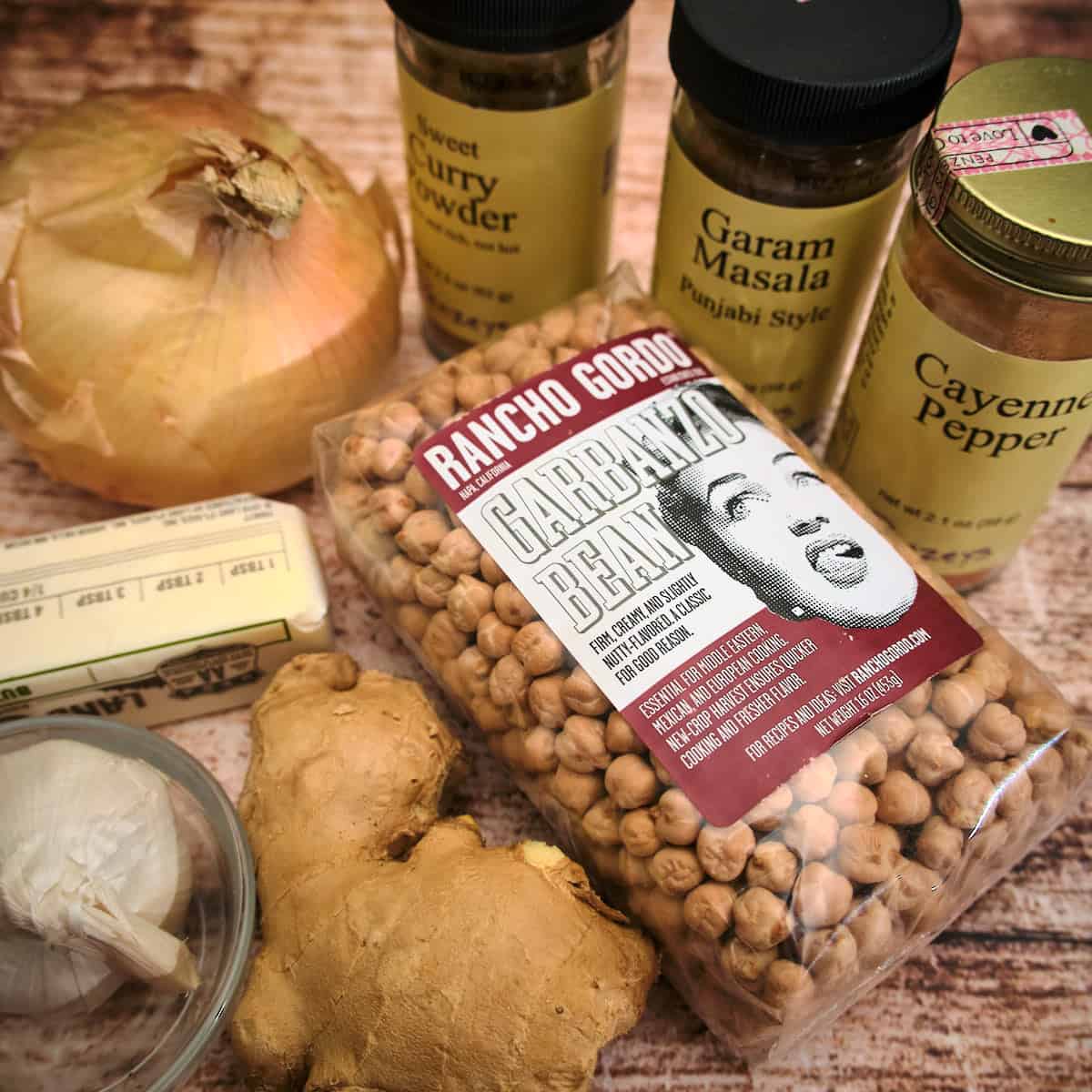
  1. Um...unless my wife doesn't agree. Hi, honey! ↩
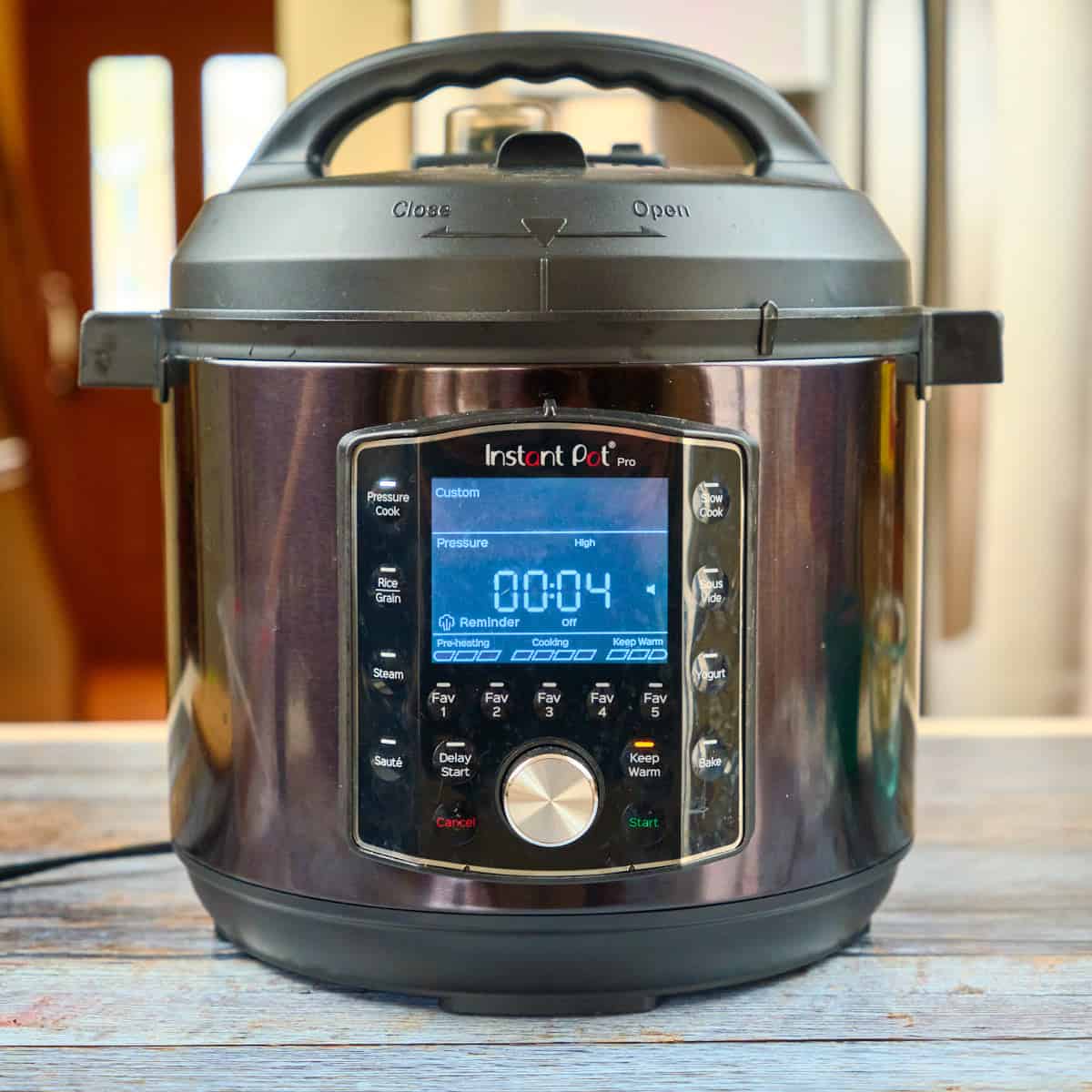
  • « Previous Page
  • 1
  • 2
  • 3
  • 4
  • 5
  • …
  • 37
  • Next Page »

Welcome to Dad Cooks Dinner!

I'm Mike Vrobel, a dad who cooks dinner every night. I'm an enthusiastic home cook, and I write about pressure cooking, rotisserie grilling, and other food topics that grab my attention.

More About Me →

Popular

  • Three bowls of cooked Pinto Beans on a wood table
    Instant Pot Pinto Beans (No Soaking)
  • Pressure Cooker Beef Shank (Osso Bucco)
  • Pressure Cooker 7 Hour Leg of Lamb (in 90 minutes)
    Pressure Cooker 7 Hour Leg of Lamb (in 90 minutes)
  • Pressure Cooker Brown Jasmine Rice
  • Grilled Tomahawk Steak (Long Bone Ribeye, Reverse Seared)
    Grilled Tomahawk Steak (Long Bone Ribeye, Reverse Seared)
  • A green bowl full of chicken noodle soup
    Instant Pot Rotisserie Chicken Noodle Soup

Seasonal

  • A bowl of asparagus risotto
    Instant Pot Asparagus Risotto (Pressure Cooker Recipe)
  • Grilled Butterflied Chicken with Garlic Butter
  • Sous Vide rack of lamb sliced into chops
    Sous Vide Rack of Lamb with Dijon Bread Crumb Crust
  • A bowl of beef stew with asparagus, carrots, and radishes.
    Instant Pot Spring Vegetable Beef Stew
  • A Rotisserie Chicken (Pollo Asado)on a platter of shredded cabbage
    Rotisserie Chicken Pollo Asado
  • Rotisserie Pork Shoulder Roast with Carolina Mustard BBQ Sauce
    Rotisserie Pork Shoulder with South Carolina Mustard Barbecue Sauce

Footer

↑ back to top

About

  • Privacy Policy

Newsletter

  • Sign Up! for emails and updates

Contact

  • Contact

Copyright © 2025 Dad Cooks Dinner